
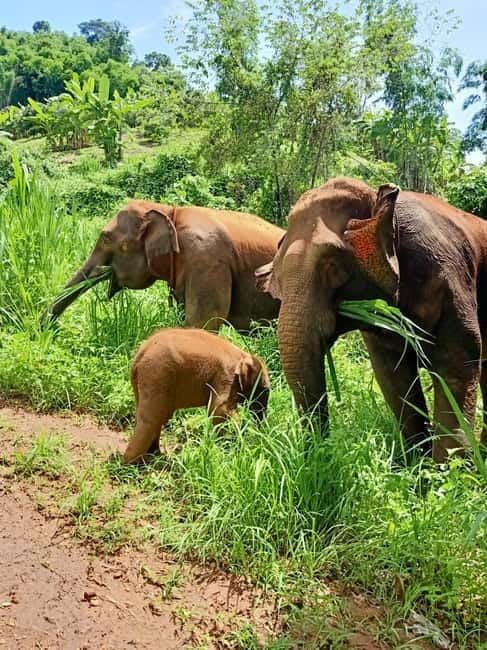
Reviewed · ETHICAL ELEPHANT SANCTUARY VISITS
Half-day with CHIANGMAI ELEPHANT CARE program (12pm-6pm.)
The best part of Chiang Mai Elephant Care is the calm, close contact with elephants that does not depend on tricks or forced performances. You feed them bananas, prepare herbal medicine balls, walk with them, and learn how their keepers care for them. Tong Cruise and Ford are especially good names to request if available, both praised for clear explanations and a lively style.
I like the small-group feel and the way the elephants can refuse an activity. I also like that the $54 price covers hotel pickup, lunch, fruit, water, uniforms, entrance, a guide, and insurance. The main drawback is the long road trip, roughly 75 to 80 minutes each way, for about two hours of direct elephant time.
In This Review
- Key points
- Why the elephant contact feels different
- The 12 to 12:30 p.m. hotel pickup
- Arrival, uniforms, and a home-cooked lunch
- Two hours of feeding, medicine, and observation
- The river bath, with an important condition
- The guides shape the day
- What the $54 price really covers
- Who should book this afternoon
- Practical tips for a smoother visit
- Is Chiang Mai Elephant Care worth booking?
- FAQ
- What time does the tour begin?
- How long does the experience last?
- How long is the drive from Chiang Mai?
- What elephant activities are included?
- Is river bathing guaranteed?
- Is lunch included?
- Is an English-speaking guide provided?
- What is included in the $54 price?
Key points
- The elephants set the pace: River bathing may be skipped if the animals do not want it, or if conditions make it unsuitable.
- Hands-on care, not a show: You feed the elephants and prepare herbal medicine balls for digestion.
- Guides add meaning: Tong Cruise and Ford explain elephant behavior, diet, Thai culture, and the Karen people.
- A proper half-day outing: Pickup runs from 12 to 12:30 p.m., with a return around or before 6 p.m.
- Good value at $54: Lunch, fruit, drinking water, uniforms, transport, entrance, and insurance are included.
- Useful facilities: Showers and changing rooms make the river portion much easier to manage.
Why the elephant contact feels different
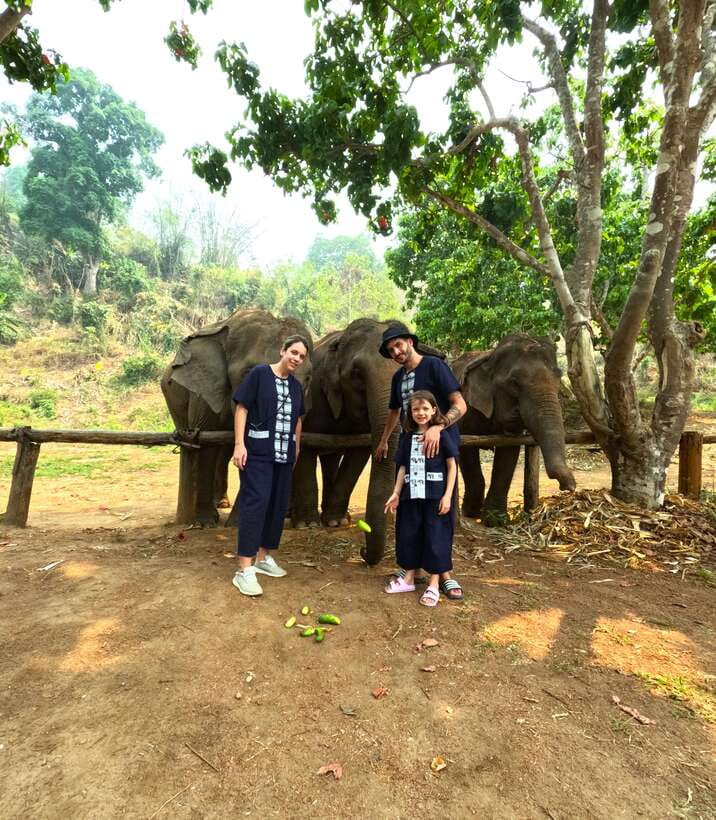
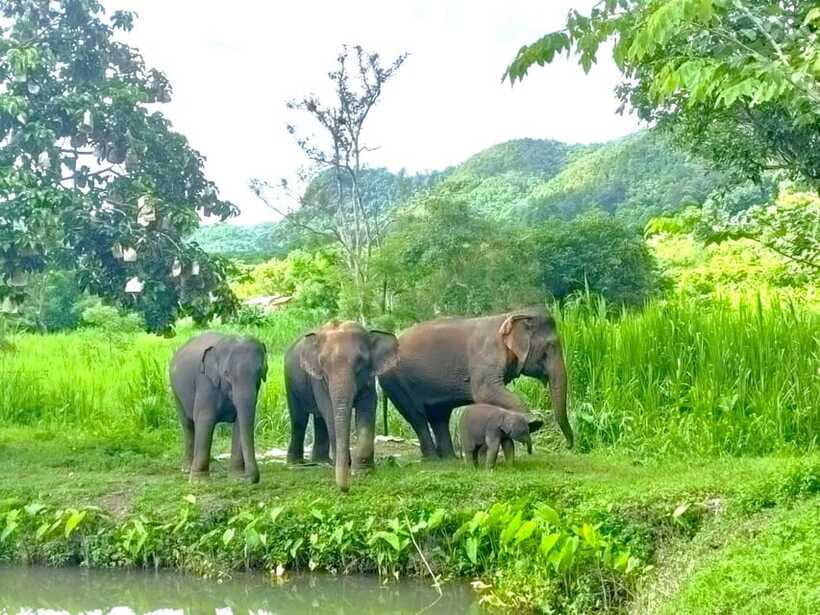
This is not a quick roadside photo stop. The useful difference here is time and restraint. You are given room to watch the elephants as they move, eat, and respond to the people around them.
The program includes feeding, making a herbal medicine ball, observing, walking with the elephants, and bathing them in the river. The staff explain what to do and what not to do before contact begins, which matters when you are standing close to a large animal with its own mood and habits.
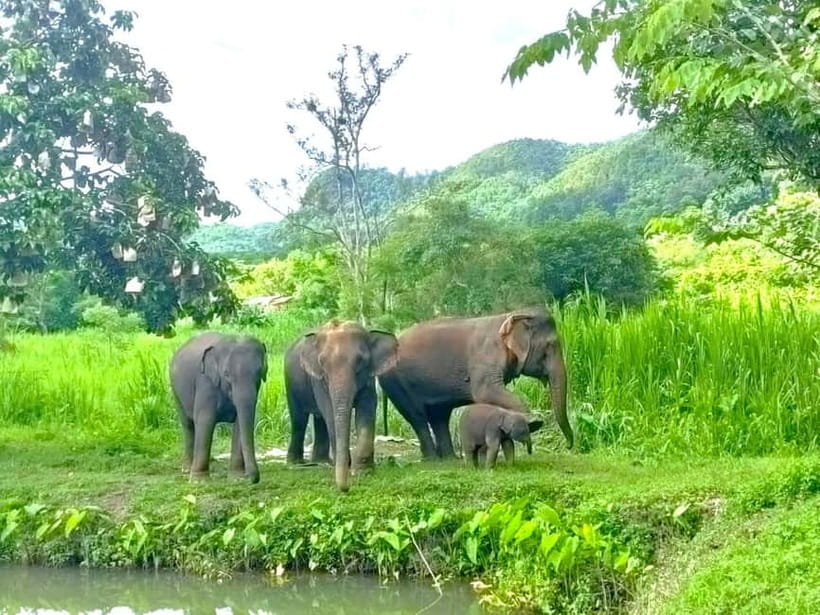
The elephants at the care program include two adult females and a young male, according to the information provided by visitors who spent time there. They were rescued from shows or jungle work. Each elephant has a keeper who stays with the animal around the clock.
That does not make the setting completely wild. You are still entering a managed care program, and close feeding and touching are part of the visit. But the operating approach appears more respectful than a program built around performances, riding, or forced poses. The key point is simple: activities are based on whether the elephants are happy to take part.
More elephant sanctuary visits in Chiang Mai:
- Chiang Mai: Elephant Sanctuary, Waterfall & Bamboo Rafting
★ 4.9 · 9,160 reviews - Chiang Mai: Elephant Sanctuary & Waterfall Group Tour
★ 4.9 · 5,780 reviews - Chiang Mai: Elephant Sanctuary Feeding Program Half-Day Tour
★ 4.8 · 4,527 reviews
The 12 to 12:30 p.m. hotel pickup
Your afternoon begins with collection from your hotel lobby between noon and 12:30 p.m. You need to provide a hotel name or address that can be found on Google Maps. Pickup can involve two or three hotels because this is a shared van service.
That arrangement keeps the price at a reasonable $54, but it means the van may not leave your hotel at exactly noon. I would keep the first part of your afternoon free and be ready in the lobby before the pickup window begins.
The drive to the Mae Taeng area takes about 75 to 80 minutes. The route is a real part of the day, not a short transfer across Chiang Mai. For some people, the ride will feel long for a half-day activity. For others, the rural setting and the chance to spend several hours at a care center make the distance worthwhile.
The return journey follows the same pattern. You should be back at your hotel around or before 6 p.m., though shared transport and road conditions can affect the exact timing. Do not book a tight evening reservation immediately after the tour.
Arrival, uniforms, and a home-cooked lunch
At the camp, you change into the provided activity uniform. This is practical rather than glamorous, especially if you plan to enter the river. Bring personal items you will need for the day, since personal needs are not listed among the inclusions.
Lunch comes before the elephant session and lasts about 30 minutes. It is a home-cooked vegetarian meal with fruit and drinking water. This is a useful touch because the program runs through the afternoon, and you do not need to arrange food during the drive or at the camp.
The meal also gives you time to settle in before approaching the elephants. You are not rushed straight from the van into a close encounter. After lunch, the guide gives an introduction and explains both the activities and the rules.
Pay attention during this briefing. The point is not just to make the schedule run smoothly. It helps you understand how to approach, where to stand, and when to give an elephant space.
Two hours of feeding, medicine, and observation
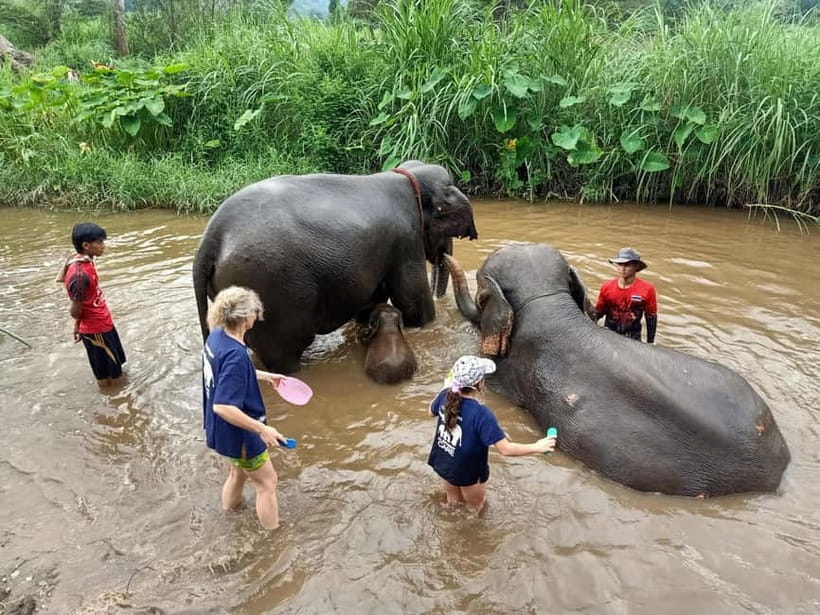
The main elephant session lasts about two hours. It begins with education about elephant behavior, care, diet, and life in Thailand. You may also hear about the Karen people, a subject included in the cultural explanations given during the program.
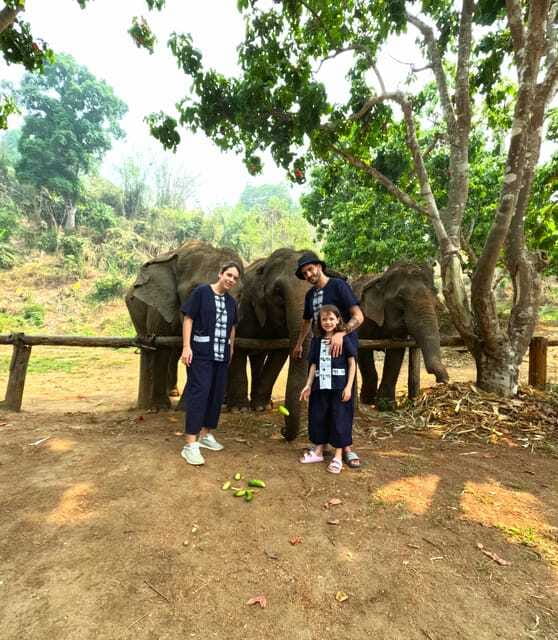
Feeding is the most direct part of the visit. You can offer the elephants food and, when the animal accepts contact, touch and pat them closely. This is exciting, but it is also a moment to stay calm. The aim is not to crowd an elephant for a perfect picture.
The herbal medicine ball adds a useful layer to the visit. You help prepare a supplement intended to support digestion and then feed it to the elephants. That activity explains something about everyday care that a standard feeding stop usually skips.
The medicine ball is not a theatrical trick. It shows you that elephant care involves diet and health routines, not only exercise or entertainment. The guide uses the process to explain more about the animals and why particular foods or supplements are given.
Walking with the elephants is another strong part of the session. You are not simply placed beside a stationary animal. You follow as they move around the grounds, watch their behavior, and take photographs when the situation allows.
The program also includes time to observe rather than constantly touch. I see this as a plus. A good animal experience should leave room for watching body language, eating habits, and interactions with keepers. You may learn more from a quiet few minutes of observation than from another posed photograph.
A few more Chiang Mai half-days to weigh up
- Half-Day Thai Cooking Class at Organic Farm in Chiang Mai
★ 5.0 · 19,087 reviews - Chiang Mai: HALF-DAY COOKING COURSE at a Thai Cooking Farm
★ 4.9 · 705 reviews - Half-Day Elephant Experience at Rantong
★ 5.0 · 625 reviews - Chiang Mai: Elephant Dream Project Sanctuary – Half-Day
★ 4.9 · 552 reviews
The river bath, with an important condition
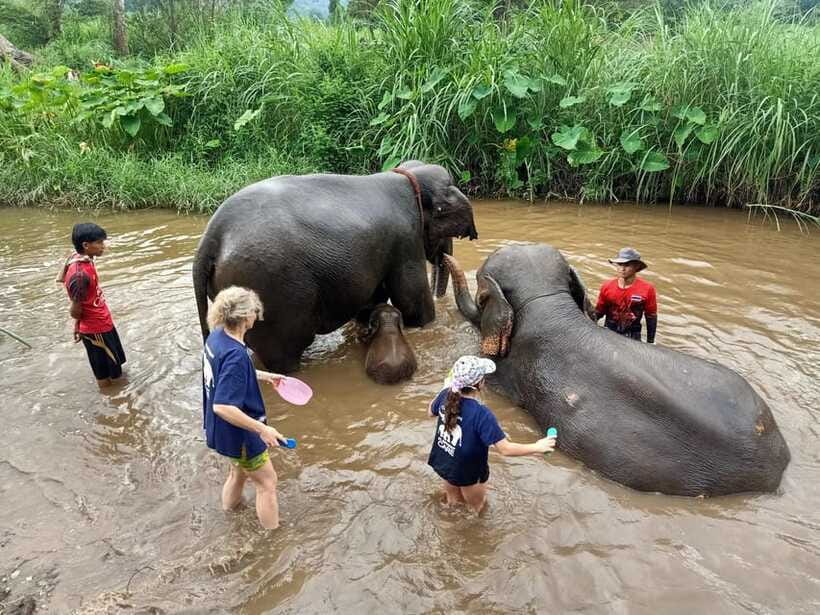
Bathing the elephants in the river is listed as a central activity, but it is not guaranteed. The program states that activities are based on the elephants being happy, and that principle applies here.
One recent visit skipped the bathing session because it had rained and the elephants did not want to go into the water. That is a positive sign for animal welfare, but it is also a practical warning for anyone booking mainly for river photographs. You should treat bathing as a possible part of the day, not a promise.
When conditions are right and the elephants choose to participate, you can enter the river to bathe and brush them. This is likely to be the wettest and messiest portion of the program, so use the provided uniform and plan your clothing accordingly.
You will not be forced to bathe an elephant, either. The atmosphere is intended to stay relaxed, with the animal and the people able to step back. A visit that skips the river can still include feeding, medicine preparation, walking, observation, and instruction.
The presence of showers and changing rooms is a real convenience. After the river, you have about 30 minutes to shower, change, and freshen up before the return drive. That makes the afternoon easier, especially if you have plans later in Chiang Mai.
The guides shape the day
The guide matters here because much of the value comes from explanation. Tong Cruise is described as funny, warm, and strong on facts about elephants and Thai culture. Ford is also praised for enthusiasm and clear information.
Guide assignments can change, so you should not assume one particular person will lead your departure. Still, the names are useful if you are able to request a guide or want to know what style of presentation to expect.
The English-language guiding covers elephant behavior, diet, history in Thailand, and local culture. You can ask questions during the walk and feeding session, which is easier in a small group than in a large crowd.
A small group also changes the physical experience. You have a better chance of hearing the briefing, seeing what the elephants are doing, and getting a turn without everyone pressing forward at once. One person even had a private-feeling visit when the group was very small, allowing plenty of questions.
That said, group size is not fixed in the information provided. The tour can combine pickups from several hotels, so the van ride and camp group may vary from day to day.
What the $54 price really covers
At $54 per person, this is a strong package if you want transport and meals handled. The price includes:
- Hotel pickup and return transport
- Entrance to Chiangmai Elephant Care
- An English-speaking guide
- Elephant food and herbal medicine ingredients
- Activity uniform
- Home-cooked lunch
- Fruit and drinking water
- Day-tour insurance
You are mainly paying for the long round-trip transfer, staff time, food, and a guided animal-care session. Compared with arranging transport to Mae Taeng and finding food separately, the package is straightforward and fairly priced.
The value is best for you if you want an organized afternoon with close contact and teaching. If you prefer to spend a full day at one site, or want a completely independent visit, the fixed six-hour schedule may feel restrictive.
Personal needs are not included. The provided information does not list extra charges for photographs, lockers, or other optional items, so ask the operator if you need something beyond the listed package.
Free cancellation is available up to 24 hours before departure for a full refund. You can also reserve now and pay later, which helps if your Chiang Mai plans are still shifting.
Who should book this afternoon
I would recommend this program to families, first-time elephant visitors, and anyone who wants a close encounter with an educational side. Children can take part, and one family found the small-group format helped their children feel safe and engaged.
It also suits you if animal welfare is a major concern. The strongest point is not simply that you can feed or touch the elephants. It is that the program accepts when an elephant does not want to bathe or take part in a particular activity.
Couples and solo visitors can also fit in well. A small group gives solo visitors more freedom to ask questions, while couples can enjoy the quiet walking and river setting without committing to a full-day program.
I would hesitate if you have limited time in Chiang Mai and cannot spare the road journey. The direct animal session is about two hours, while the total outing lasts six hours. I would also hesitate if your main goal is a guaranteed bath, since the elephants make that decision.
Practical tips for a smoother visit
Wear clothing that can get wet and dirty, even though a uniform is supplied. Bring only personal items you need, and keep your schedule open until you return to the city.
Arrive at your hotel lobby before the noon to 12:30 p.m. pickup window. Since this is a shared van, a short wait or a few hotel stops is possible.
Use the briefing as your guide, not your camera plan. Let the elephant decide how close you get, and do not push for touching or bathing if the animal is moving away.
Ask questions. The program includes information about behavior, diet, elephant care, Thai culture, and the Karen people, so the educational part is more than a short safety talk.
If the weather is wet, expect the plan to change. A skipped river bath is not a failed day. It means the staff are following the stated rule that elephant activities depend on the animals being comfortable.
Is Chiang Mai Elephant Care worth booking?
Yes, if you want a half-day program with real contact, useful instruction, and a clear effort to let the elephants choose what happens. Feeding, herbal medicine preparation, walking, and observation give the visit more substance than a quick photo stop.
The decision comes down to your tolerance for the 75 to 80 minute drive each way. At $54, the included transport, lunch, fruit, water, uniform, guide, entrance, and insurance make the outing good value. Book it if you can give the afternoon to the experience and accept that river bathing is optional.
FAQ
What time does the tour begin?
Hotel pickup runs between 12 and 12:30 p.m. You should wait in your hotel lobby and provide an address that can be located on Google Maps.
How long does the experience last?
The full activity lasts six hours. You should return to your hotel around or before 6 p.m.
How long is the drive from Chiang Mai?
The van ride to the Mae Taeng area takes about 75 to 80 minutes. The return drive takes roughly the same amount of time.
What elephant activities are included?
You can feed the elephants, prepare herbal medicine balls, observe them, walk with them, take photographs, and bathe and brush them in the river when conditions and elephant behavior allow.
Is river bathing guaranteed?
No. Activities are based on the elephants being happy. Bathing may be skipped if the elephants do not want to participate or if conditions such as rain make it unsuitable.
Is lunch included?
Yes. The price includes a home-cooked lunch, fruit, and drinking water.
Is an English-speaking guide provided?
Yes. The tour includes a live English-speaking guide.
What is included in the $54 price?
The price includes entrance, hotel pickup and return transport, an English-speaking guide, elephant food, ingredients for the herbal medicine activity, a uniform, day-tour insurance, lunch, fruit, and drinking water. Personal needs are not included.
Just added around Chiang Mai
- Chiang Rai Wonders: White, Blue & Red Temples and Hot Spring★ 5.0 · 3 reviews
- Chiang Rai White Temple Blue Temple and Hill Tribe Village Tour★ 3.5 · 3 reviews
- Private Chiang Mai City Tour including Wat Doi Suthep, Wat Suan Dok (SHA Plus)★ 5.0 · 3 reviews
- Workshop Making Herbal ball & herbal inhaler★ 4.3 · 3 reviews
- Phoenix Zipline Adventure Park – Chiang Mai Thrills★ 4.0 · 3 reviews
- Chiang Mai Mae Ping River Cruise and Thai Farmer House Visit★ 4.0 · 3 reviews
- Monk trails hike, Wat Phalat, Monk chanting, Wat Doi Suthep.★ 5.0 · 3 reviews
- Tok Sen Massage at Fah Lanna Spa in Chiang Mai★ 4.5 · 3 reviews
Ethical Elephant Sanctuary Visits, compared.
Elephant Sanctuary, Waterfall & Bamboo Rafting
Read our review →
Elephant Sanctuary Feeding Program Half-Day Tour
Read our review →
Elephant Sanctuary, Long Neck & Sticky Waterfall
Read our review →

3-in-1: Doi Inthanon Tour, Elephant Sanctuary, and Trekking Trail
Read our review →
Chiang Mai Elephant Sanctuary, Bamboo Rafting and Waterfall Tour
Read our review →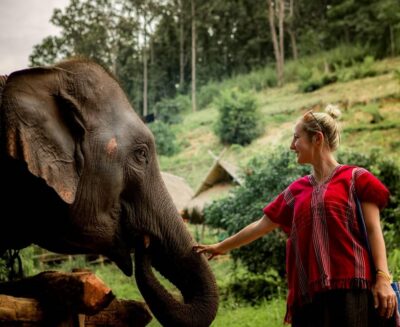
Browse the lists this tour appears in