
Reviewed · ETHICAL ELEPHANT SANCTUARY VISITS
Chiang Mai: Elephant Sanctuary & Waterfall Group Tour
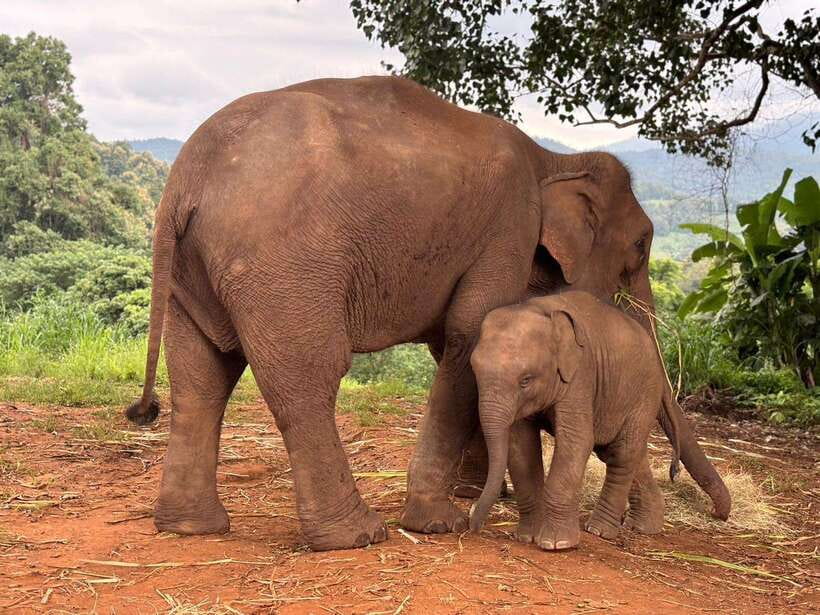
The best part of this Chiang Mai day trip is the change of pace. After an 80-minute drive through farms, villages, rice fields, and temple country, you reach Pon Elephant Thailand in Mae Wang, where rescued elephants forage, socialize, and move at their own pace. There is no riding, and the program says elephants are never forced to perform.
I like the long amount of elephant time, which includes preparing food, feeding, walking, touching, watching, and river bathing. I also like the practical mix of wildlife care, a local Thai lunch, and a jungle waterfall hike for $50, a fair price for a seven-hour outing with transport, food, a guide, and elephant feed included.
The main thing to consider is the physical side. You will spend much of the day outdoors, walk on uneven ground, get wet and muddy, and ride for nearly three hours in total. The waterfall can also be unsafe for swimming after heavy rain, so this is not a good fit if you need a gentle, fully dry day.
In This Review
- Key points at a glance
- From Chiang Mai to the Mae Wang hills
- Meeting the elephants at Pon Elephant Thailand
- What the ethical claim means in practice
- River time with the elephants
- A Thai lunch before the waterfall
- Hiking through the forest to Mae Wang Waterfall
- Transport, pace, and group comfort
- What to pack for a wet jungle day
- Is $50 good value?
- Who should book this day trip?
- Should you book Pon Elephant Thailand?
- FAQ
- How long is the Chiang Mai elephant sanctuary and waterfall tour?
- How long does the drive from Chiang Mai take?
- Is hotel pickup included?
- Can I meet the guide at a meeting point?
- Is elephant riding included?
- Are the elephants forced to perform?
- Can I bathe the elephants?
- Is lunch included?
- Can I swim at Mae Wang Waterfall?
- What should I bring?
Key points at a glance
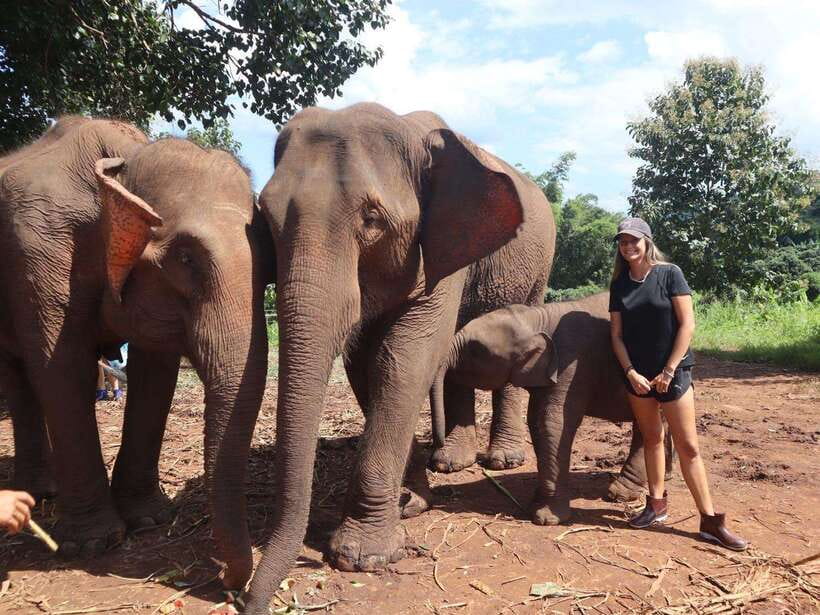
- No elephant riding: The experience focuses on feeding, walking, observing, and bathing rather than performances or rides.
- About three hours at Pon Elephant Thailand: You have time to meet several elephants, hear their stories, prepare snacks, and watch natural behavior.
- River bathing is hands-on: You may help cool the elephants in their river home, then change before lunch.
- Mae Wang Waterfall adds real variety: A short forest hike leads to a refreshing stop below Doi Inthanon.
- Thai food is part of the value: Lunch includes drinking water, seasonal fruit, and Thai desserts.
- Guides shape the day: Beer, Yaya, Nop, Mimi, Ronnie, and others have received praise for clear explanations, photos, patience, and good humor.
From Chiang Mai to the Mae Wang hills
Your day begins with hotel pickup in central Chiang Mai, if you choose that option. You wait in the hotel lobby 10 minutes before the confirmed time, then settle into a comfortable vehicle for the journey southwest.
If you prefer, you can meet the guide at the Pon Elephant Thailand office in town. The exact starting point depends on the option you book, so check this carefully before paying. Hotel transfers cover Chiang Mai city center only, not every address in the wider province.
The drive takes about 80 minutes each way. That sounds long on paper, but it gives you a useful look at the countryside beyond the city. The road passes local villages, working farms, rice fields, Buddhist temples, and mountain scenery. I would treat the drive as part of the outing rather than dead time, though anyone prone to motion sickness should bring personal medicine and prepare for winding roads.
The total time is listed as seven hours. In practice, the day is split between the sanctuary, lunch and changing time, the waterfall, and transport. The schedule can shift with weather, road conditions, elephant behavior, or access to the waterfall. That flexibility matters here. A responsible elephant program cannot operate like a stage show, and a mountain stream cannot be treated as a guaranteed swimming pool.
More elephant sanctuary visits in Chiang Mai:
- Chiang Mai: Elephant Sanctuary, Waterfall & Bamboo Rafting
★ 4.9 · 9,160 reviews - Chiang Mai: Elephant Sanctuary Feeding Program Half-Day Tour
★ 4.8 · 4,527 reviews - Chiang Mai: Elephant Sanctuary, Long Neck & Sticky Waterfall
★ 4.9 · 2,262 reviews
Meeting the elephants at Pon Elephant Thailand
At Pon Elephant Thailand, your guide starts with a briefing about Asian and African elephants, the sanctuary’s background, and the animals in its care. You also hear about the rescued elephants and the way the sanctuary supports them.
This introduction is more useful than a quick photo stop. You learn how to approach, how to offer food, and how to read the animals’ behavior. Guides often explain individual personalities, which helps you see the elephants as distinct animals rather than one large tourist attraction.
A memorable detail is the snack preparation. You help make healthy food for the elephants before feeding them. The simple lesson, captured in the phrase no food, no friend, gives the encounter a clear purpose: your interaction is connected to care, not just entertainment.
You can feed the elephants, touch them, walk beside them, and watch them forage in their natural surroundings. The setting allows you to see families interact and observe the animals when they are more interested in bamboo and plants than in your camera. That is a good sign for the quality of the encounter. You should still follow the guide’s directions and give an elephant space if it turns away.
The experience offers close contact, but it is not a promise that every elephant will want the same amount of attention. The program specifically says no elephant is forced to perform. That means your best moments may come from waiting, watching, and letting the animals set the pace.
What the ethical claim means in practice
Elephant tourism in northern Thailand requires careful judgment. Riding is prohibited here, and the stated activities are feeding, walking, observation, and bathing. The elephants are described as rescued from labor and circus work, with the sanctuary providing ongoing care for animals that cannot return to the wild.
Those details make this a better choice than a ride or show, but ethical tourism is not a label you should accept without thought. You will still be close to elephants, handling food, touching them, and entering the river with them. If you prefer observation from a distance, look for a program with no bathing or touching.
For this particular experience, the most encouraging feature is the effort to let the elephants lead. Guides are instructed not to make them go somewhere solely for a photograph. Some animals may need more space, and the day is adjusted around their condition and behavior.
The staff also explain elephant medicine and care, giving you a better idea of the work involved after the cameras are put away. The right mindset is simple: you are visiting an elephant care center, not commanding an animal encounter. Keep your hands gentle, listen to the guide, and accept that an elephant may wander off.
River time with the elephants
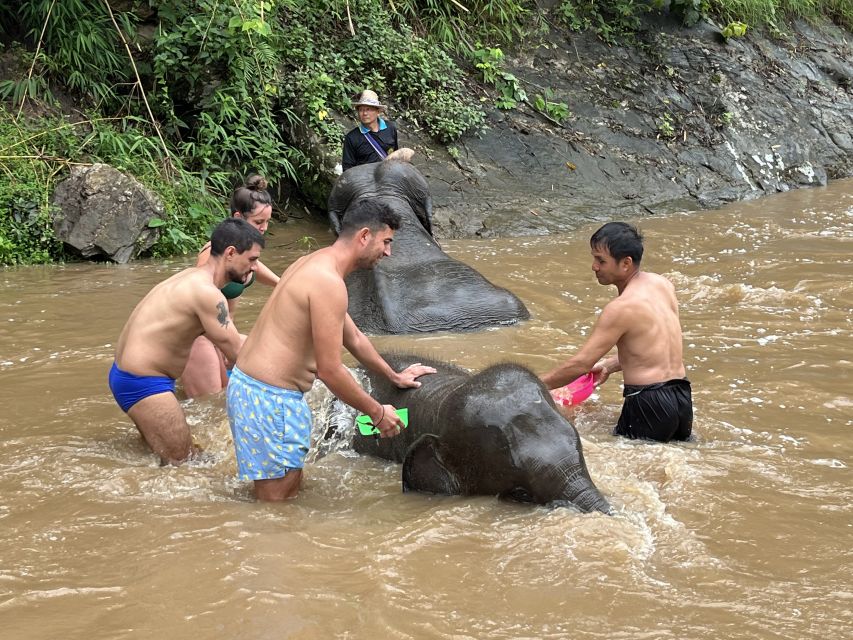
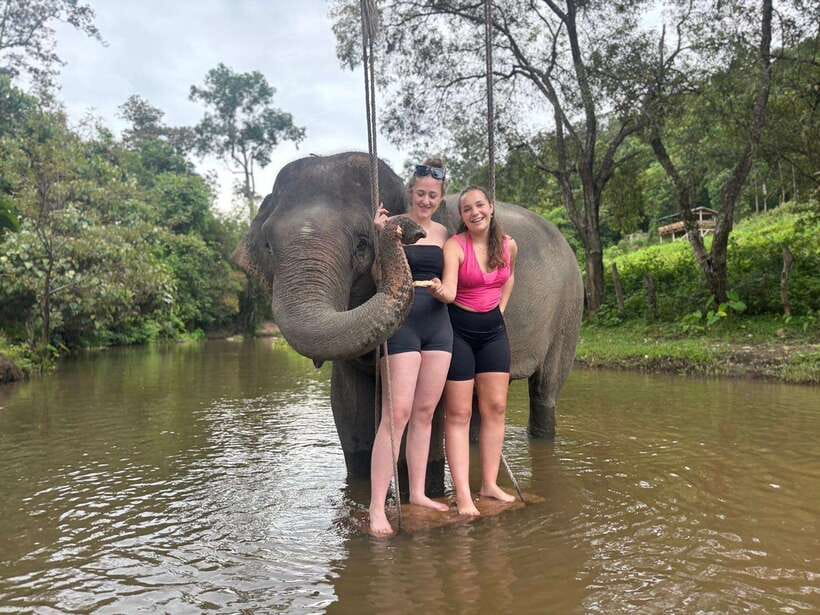
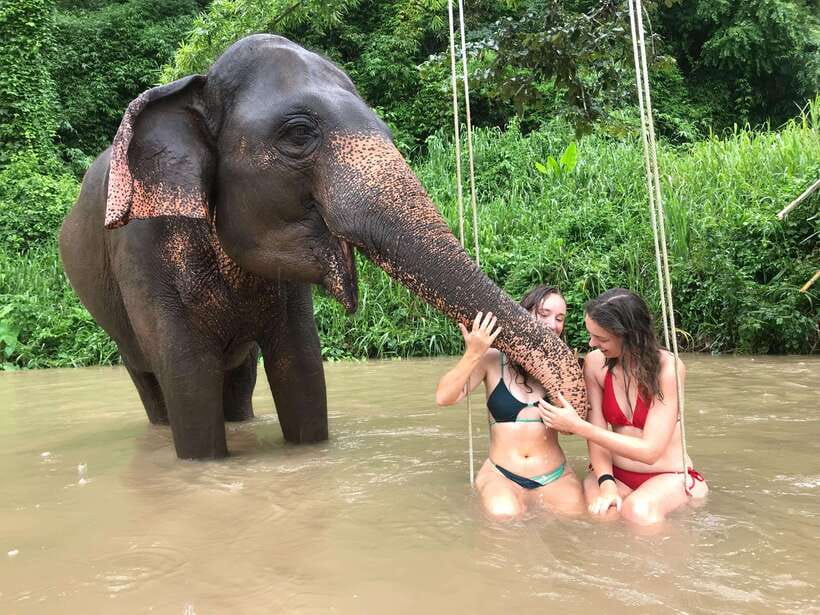
After feeding and walking, the group heads to the river for one of the most popular parts of the experience. You can help bathe the elephants as they cool down in their natural home.
This is wet, active fun rather than a quiet viewing session. Wear swimwear beneath quick-drying clothes, and expect mud, splashing, and damp feet. You are advised to bring a towel and a full change of clothes, but neither is included. Sandals are useful near the water, while sports shoes are better for the forest paths.
The river activity also shows why the guide’s role matters. A good guide keeps the group together, explains where to stand, and makes sure excitement does not become rough handling. Several guides, including Beer, Yaya, Nop, Mimi, and Ronnie, are praised for being patient, attentive, friendly, and helpful with photographs.
You may spend time with several elephants during the morning, sometimes seeing as many as eight in one part of the program. That number can vary, and you should not expect every animal to gather at once. The benefit is variety: feeding may bring one elephant close, while another may prefer foraging or staying with its family.
After the river, you take a shower and pack your belongings. This is the point when a dry bag or waterproof pouch earns its place in your luggage. Keep your phone and passport secure, since a passport number is requested for insurance details but the actual passport should not be left loose around water.
Same city, a completely different sort of day:
- Half-Day Thai Cooking Class at Organic Farm in Chiang Mai
★ 5.0 · 19,087 reviews - Chiang Mai: Doi Inthanon National Park Eco-Friendly Tour
★ 4.6 · 6,667 reviews - Chiang Mai: Chiang Rai Temples, Karen Tribe and Hot Springs
★ 4.7 · 5,401 reviews - Chiang Mai: Cooking Class, Market & Thai Herbs Garden Tour
★ 4.9 · 4,824 reviews
A Thai lunch before the waterfall
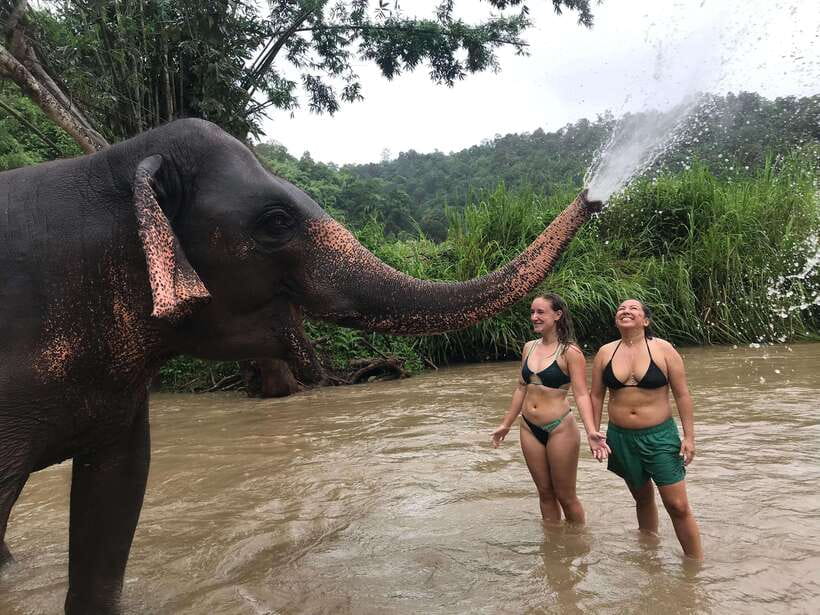
Lunch is included, along with drinking water, fresh seasonal fruit, and Thai desserts. The meal is served after the elephant activities, when you are likely to be hungry and ready to sit down.
The food is described as a traditional Thai lunch, often presented in handy tiffin tins. That style suits the day: filling, local, and practical rather than fancy. Thai sweets and fruit provide a welcome finish, especially after time in the sun.
I see lunch as part of the value rather than a bonus to ignore. At $50, you are paying for a full day of transport, a live English-speaking guide, elephant feed, lunch, water, and access to two very different natural settings. You might find a cheaper elephant visit, but it may not include the same amount of time, the waterfall, or city transfers.
Do not expect a restaurant meal or a menu designed around special requests unless you confirm those details before booking. If you have food allergies or strict dietary needs, ask in advance. The supplied information confirms Thai food, fruit, and desserts, but it does not promise vegetarian, vegan, gluten-free, or allergy-specific meals.
Hiking through the forest to Mae Wang Waterfall
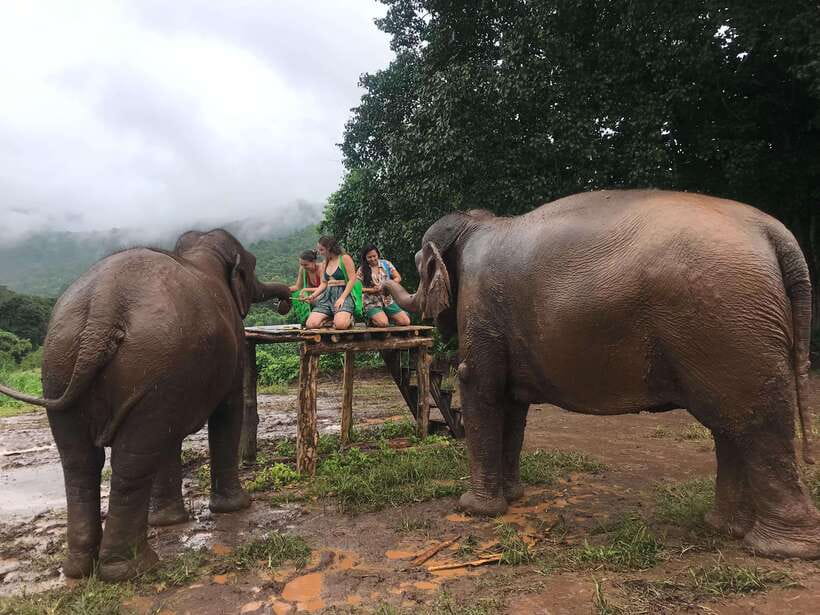
After lunch, the group leaves the sanctuary for a short hike to Mae Wang Waterfall. The waterfall comes from the Doi Inthanon mountain area, and the walk gives the day a welcome change of scenery after the elephant enclosure and river.
The hike takes about an hour at the waterfall stop, though the walking time itself may vary. Expect a forest path, uneven ground, and surfaces that can become slippery after rain. Hiking pants and sports shoes are sensible choices. Flip-flops may work for the water but are a poor choice for the entire walk.
Mae Wang Waterfall is a place to cool off, relax, and, when conditions allow, swim. The important qualification is weather. Heavy rain can make the water unsafe, and the local team puts safety first. You may find the pool closed or the swimming conditions restricted on a wet day. Bring a towel and dry clothes even if you are unsure you will enter the water.
One useful point from the way the day is run is that the guide can adjust plans. If one waterfall is unavailable, the group may visit another nearby waterfall instead. That is a practical response to mountain weather, not a failure of the tour.
The waterfall stop is shorter than the elephant visit, so book this experience mainly for the sanctuary. The waterfall is a refreshing second act and a pleasant way to finish the outdoor portion, but it is not a full hiking expedition.
Transport, pace, and group comfort
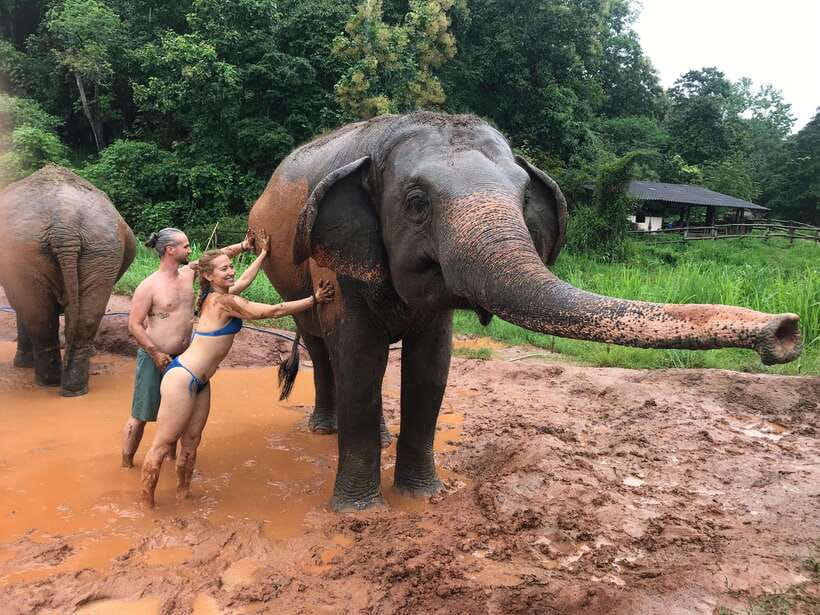
The vehicle ride is the least glamorous part of the day, but the comfortable transport and hotel pickup remove a great deal of hassle. You do not need to arrange a separate taxi to the Mae Wang district or work out a return journey after getting wet and tired.
The journey totals roughly 160 minutes, or more if traffic slows the return to Chiang Mai. That makes the tour a poor choice if you dislike road time. It is a good choice if you want to combine several countryside experiences without renting a car.
This is a group tour, so you share the pace with other people. One solo visitor found the group age mix less suitable than expected. That is a fair warning: the atmosphere can vary according to the people booked that day, and you cannot select a group of adults in a particular age range from the information given.
Families have also used the experience successfully, including a family with children aged four and seven. However, the official restrictions say it is not suitable for children under two. The walking, water, heat, animals, and vehicle time may still be tiring for younger children, so parents should judge their own child’s comfort.
The tour is also not suitable for people with mobility impairments, back or heart problems, vertigo, epilepsy, respiratory issues, recent surgery, high blood pressure, low fitness, or motion sickness. Wheelchair users, visually impaired people, hearing-impaired people, pregnant women, people over 70, and people with animal or insect allergies are also excluded. Those limits are broad, but they reflect the combination of uneven paths, water, close animal contact, and a long day outside.
What to pack for a wet jungle day
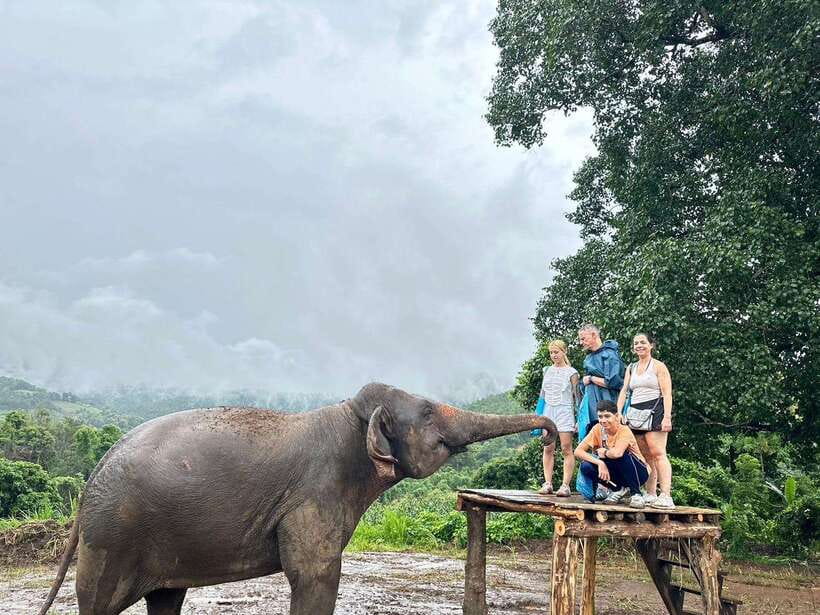
Pack more thoughtfully than you might for an ordinary sightseeing trip. You will be happier with practical clothes than with a carefully styled outfit.
- Swimwear and a complete change of clothes
- Towel
- Sports shoes or trainers for the forest
- Sandals or flip-flops for the river and waterfall
- Hiking pants
- Sunscreen and insect repellent
- Personal medicine
- Camera or phone in a waterproof pouch
- Cash for personal expenses
- Passport information for insurance details
The strongest packing tip is to bring both trainers and sandals. One pair handles the trail, while the other handles water and mud. Sunscreen and repellent matter even on cloudy days, and a waterproof bag protects valuables during the river activity.
Is $50 good value?
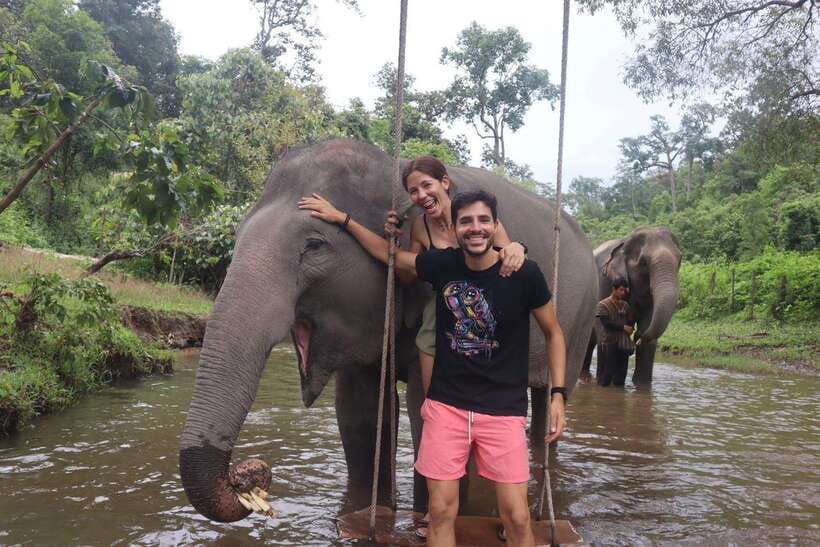
At $50 per person, this is strong value if you want a full day rather than a brief elephant photo opportunity. You get central Chiang Mai transport, an English-speaking guide, food for the elephants, drinking water, lunch, fruit, Thai desserts, the sanctuary visit, and the waterfall stop.
The value also comes from the structure. Instead of spending seven hours on one repetitive activity, you move through several stages: countryside drive, elephant care, river time, lunch, forest walking, and waterfall swimming when safe.
The price does not cover towels or spare clothes, and you should budget for those yourself. It also does not guarantee a particular guide, elephant, waterfall condition, or level of water access. The available guide team includes people such as Beer, Aamm, Sunny, Lek, Yaya, Nop, Mimi, Ronnie, Nana, Amy, and others, with the assigned guide depending on the day.
Free cancellation up to 24 hours before the start and the option to reserve now and pay later make the booking less risky if your Chiang Mai plans may shift. Check the starting time and pickup point before confirming, since availability changes by date.
Who should book this day trip?
I would recommend it to you if you want close contact with elephants but do not want to ride them. It also suits people who like a full schedule, local food, light hiking, waterfalls, and a guide who stays involved throughout the day.
It is especially useful for first-time visitors to Chiang Mai who want to reach the countryside without arranging several separate trips. The combination gives you a taste of rural Mae Wang, elephant care, and mountain water in one outing.
You should think twice if your main goal is a quiet wildlife visit with no touching. The program is hands-on by design. I would also skip it if you need guaranteed swimming, dislike long drives, have trouble on uneven paths, or cannot tolerate heat, insects, water, and mud.
Should you book Pon Elephant Thailand?
Book this tour if you want an active, animal-focused day with a clear no-riding policy, plenty of time around rescued elephants, and a waterfall stop to cool down. The strongest reasons are the patient guide service, the chance to watch elephants forage and interact naturally, and the practical all-in price.
Do not book it simply because you want a quick elephant photograph or a guaranteed swim. The animals set the pace, heavy rain can affect Mae Wang Waterfall, and the day demands reasonable fitness.
For most suitable visitors, I think the mix works very well. Bring proper shoes, swimwear, a towel, insect repellent, and a flexible attitude. You will get the best day by treating the elephants as the reason for the visit and the waterfall as a welcome extra.
FAQ
How long is the Chiang Mai elephant sanctuary and waterfall tour?
The activity lasts about seven hours, including transport, the sanctuary visit, lunch, the waterfall stop, and the return journey.
How long does the drive from Chiang Mai take?
The drive takes about 80 minutes each way. The route heads southwest from Chiang Mai toward Mae Wang.
Is hotel pickup included?
Hotel transfers are included for hotels in Chiang Mai city center when you select the pickup option. You should wait in the hotel lobby 10 minutes before the confirmed pickup time.
Can I meet the guide at a meeting point?
Yes. The meeting point is Pon Elephant Thailand’s office in town, where you meet the guide before traveling to the sanctuary. The exact starting location depends on the option selected.
Is elephant riding included?
No. Elephant riding is prohibited on this experience.
Are the elephants forced to perform?
The tour information states that elephants are not forced to perform activities. The program focuses on feeding, walking, observing, and bathing them.
Can I bathe the elephants?
Yes. Bathing the elephants in the river is included as part of the sanctuary visit, although the animals’ behavior and the conditions of the river guide how the activity takes place.
Is lunch included?
Yes. Lunch, drinking water, food for feeding the elephants, seasonal fruit, and Thai desserts are included.
Can I swim at Mae Wang Waterfall?
You may be able to swim when conditions are safe. Heavy rain can make the waterfall unsafe, and swimming may be restricted. Safety decisions depend on the conditions that day.
What should I bring?
Bring swimwear, a change of clothes, a towel, sandals, sports shoes, hiking pants, sunscreen, insect repellent, a camera, cash, and any personal medicine you need. A waterproof pouch is useful for valuables during the river activities.
Just added around Chiang Mai
- Chiang Rai Wonders: White, Blue & Red Temples and Hot Spring★ 5.0 · 3 reviews
- Chiang Rai White Temple Blue Temple and Hill Tribe Village Tour★ 3.5 · 3 reviews
- Private Chiang Mai City Tour including Wat Doi Suthep, Wat Suan Dok (SHA Plus)★ 5.0 · 3 reviews
- Workshop Making Herbal ball & herbal inhaler★ 4.3 · 3 reviews
- Chiang Mai Mae Ping River Cruise and Thai Farmer House Visit★ 4.0 · 3 reviews
- Phoenix Zipline Adventure Park – Chiang Mai Thrills★ 4.0 · 3 reviews
- Private: 3 days 2 night trip: ChaingMai-Chaingrai- The Golden Triangle trip★ 5.0 · 3 reviews
- Monk trails hike, Wat Phalat, Monk chanting, Wat Doi Suthep.★ 5.0 · 3 reviews
Ethical Elephant Sanctuary Visits, compared.

Elephant Sanctuary, Waterfall & Bamboo Rafting
Read our review →
Elephant Sanctuary Feeding Program Half-Day Tour
Read our review →
Elephant Sanctuary, Long Neck & Sticky Waterfall
Read our review →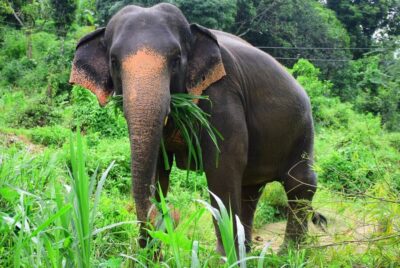

3-in-1: Doi Inthanon Tour, Elephant Sanctuary, and Trekking Trail
Read our review →
Chiang Mai Elephant Sanctuary, Bamboo Rafting and Waterfall Tour
Read our review →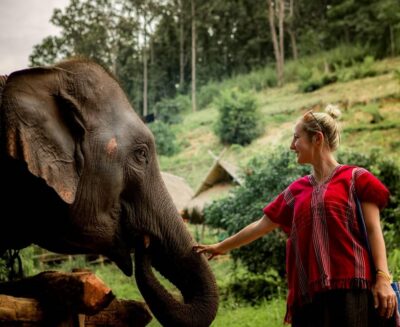

Browse the lists this tour appears in