
Reviewed · WORKSHOPS
Workshop Making Herbal ball & herbal inhaler
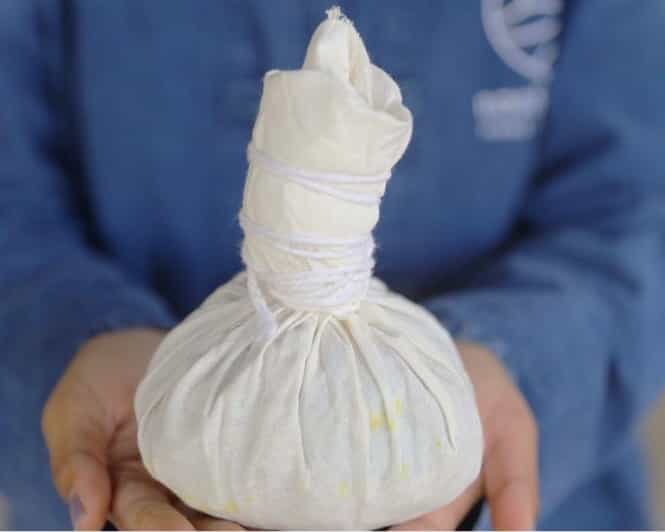
Making an herbal ball and personal inhaler gives you more than a souvenir. You learn how herbs are selected, combined, and shaped into simple wellness tools you can use after your Chiang Mai visit. I like the hands-on format and the chance to make something personal rather than simply buy a packaged product.
I also like that the workshop is private, lasts three hours, and includes every material you need. The main consideration is the meeting point: you must find Hang Tueng Farm at its entrance sign, and no transport service is listed, so confirm your route before setting out.
In This Review
- Key points to know before booking
- What this Chiang Mai herbal workshop is really about
- Finding Hang Tueng Farm in Chiang Mai Province
- The first stage: choosing herbs for an herbal ball
- Rolling and shaping your herbal ball
- Creating a portable herbal inhaler
- Why the private format matters
- What you take home from the farm
- Language, age limits, and comfort
- Booking value and practical flexibility
- Who should book this workshop
- Should you book the Hang Tueng Farm workshop?
- FAQ
- Where does the herbal workshop take place?
- How do I identify the meeting point?
- How long does the workshop last?
- What is the price?
- What do I make during the session?
- Are materials included?
- Do I take the finished items home?
- What languages are available?
- Is the workshop private?
- Can I cancel for a refund?
Key points to know before booking
- Make two practical take-home items: You create an herbal ball and a portable herbal inhaler during the same session.
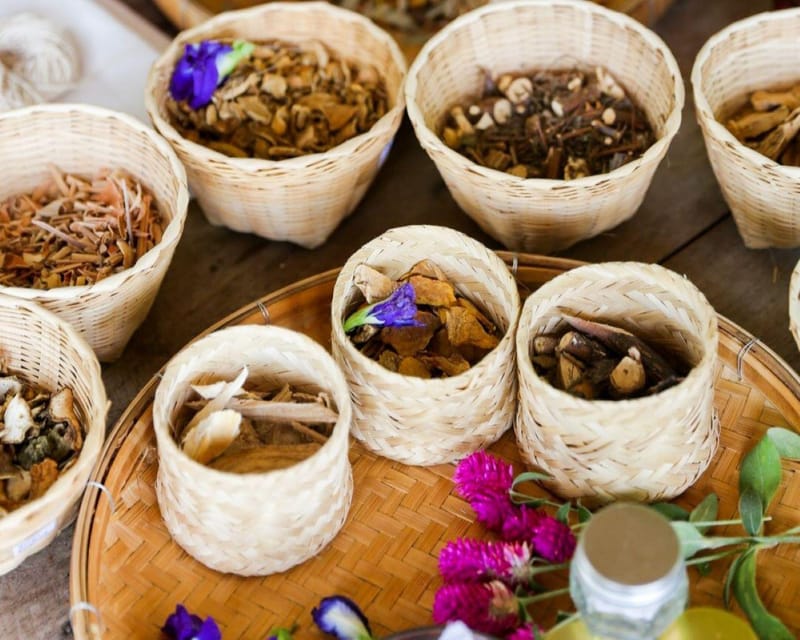
- Use familiar aromatic herbs: Lavender, eucalyptus, and peppermint are among the herbs introduced for respiratory and stress-relieving uses.
- Get step-by-step guidance: English- and Thai-speaking herbalists explain herb properties and guide the crafting process.
- Enjoy a private three-hour session: The format suits couples, families with older children, or anyone who prefers a quieter activity.
- Meet at Hang Tueng Farm: Look for the farm sign at the entrance in Chiang Mai Province.
- Pay $38 per person for a creative wellness activity: The price includes materials, instruction, and both finished items.
What this Chiang Mai herbal workshop is really about
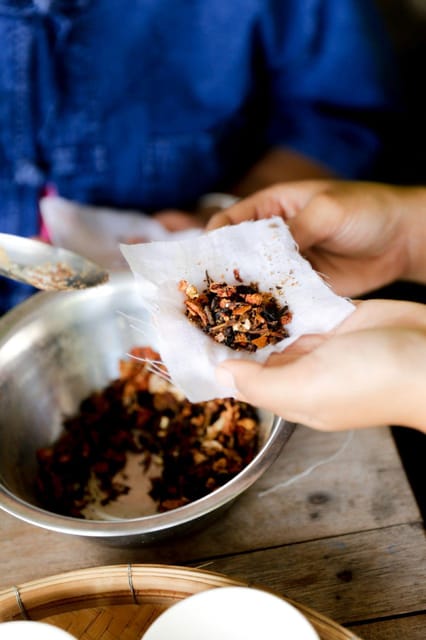
This is a small craft lesson built around traditional plant-based wellness. Instead of watching a demonstration from a distance, you work with the herbs yourself, prepare the ingredients, and shape the finished products with guidance from an herbalist.
The workshop focuses on two items with different uses. The herbal ball is a compact bundle made from aromatic herbs. The herbal inhaler is smaller and easier to carry, giving you a personal scent-based tool for a refreshing moment during the day.
I see the appeal for visitors who want a Chiang Mai activity that feels connected to local plant traditions without requiring a full day or strenuous travel. You leave with objects you made yourself, plus instructions for trying the process again at home.
Keep your expectations sensible. This is a wellness and craft workshop, not a medical consultation. The session explains the traditional and practical properties of herbs, but the information provided does not promise treatment for illness.
A few more Chiang Mai half-days to weigh up
- Half-Day Thai Cooking Class at Organic Farm in Chiang Mai
★ 5.0 · 19,087 reviews - Chiang Mai: Cooking Class, Market & Thai Herbs Garden Tour
★ 4.9 · 4,824 reviews - Chiang Mai: Authentic Cooking Class with Market & Farm Visit
★ 4.9 · 4,546 reviews
Finding Hang Tueng Farm in Chiang Mai Province
The meeting point is Hang Tueng Farm. At the front entrance, look for a sign identifying the property as Hang Tueng Farm. That detail matters because the supplied meeting instructions do not include a hotel pickup point, detailed directions, or a named guide.
Before booking, check the available start times and plan your route carefully. The workshop lasts three hours, so arriving late could cut into the part where ingredients are explained and prepared. Since the setting is a farm, you can expect the activity to take place away from the busiest city streets, although no further site facilities are specified.
I would save the farm name in your phone and keep the entrance sign in mind. If you are arranging a taxi or another ride, make sure the driver has the exact destination rather than only the workshop title.
The first stage: choosing herbs for an herbal ball
The session begins with an introduction to the herbs used in the workshop and their common wellness roles. Your herbalist explains how different plants contribute scent and purpose, then helps you select and combine the ingredients for your own herbal ball.
The supplied examples describe aromatic herbs with soothing and healing associations. You may work with ingredients selected for relaxation and rejuvenation, though the exact blend is not specified in advance. That is useful for anyone who wants a personal result, but it also means you should not expect a fixed recipe or identical finished product every time.
The best part of this stage is the link between scent and function. You are not simply mixing leaves and powders at random. You learn why a certain aromatic herb may be included and how the final blend is intended to support a feeling of calm or refreshment.
You should ask questions as you work. The instructors speak English and Thai, and the workshop is designed around explanation as well as making. If you have a plant allergy or sensitivity, tell the instructor before handling the materials. No allergy policy is provided, so checking in advance is wise.
Rolling and shaping your herbal ball
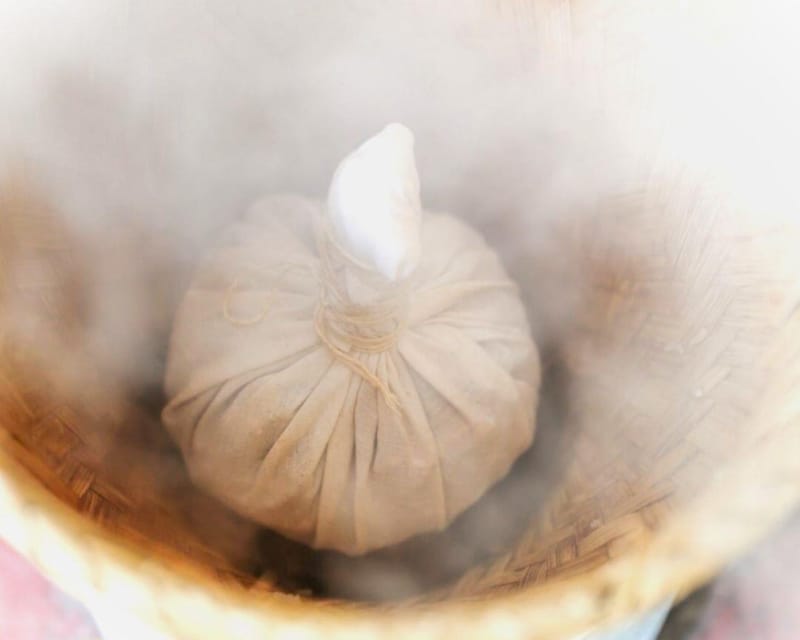
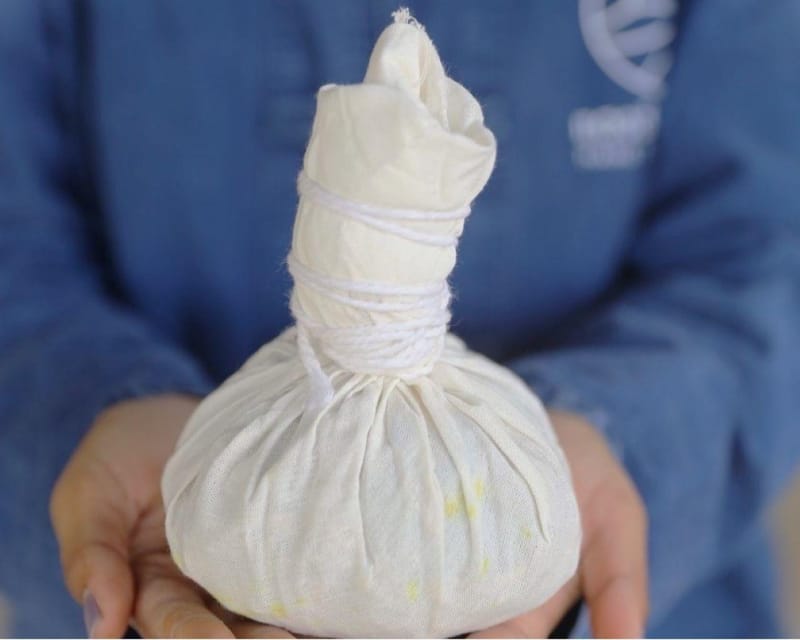
Once the herbs are selected, you learn the rolling technique used to form the herbal ball. The work is simple in concept but gives the session its hands-on character. You handle the mixture, shape it, and finish your own compact bundle rather than receiving a pre-made item.
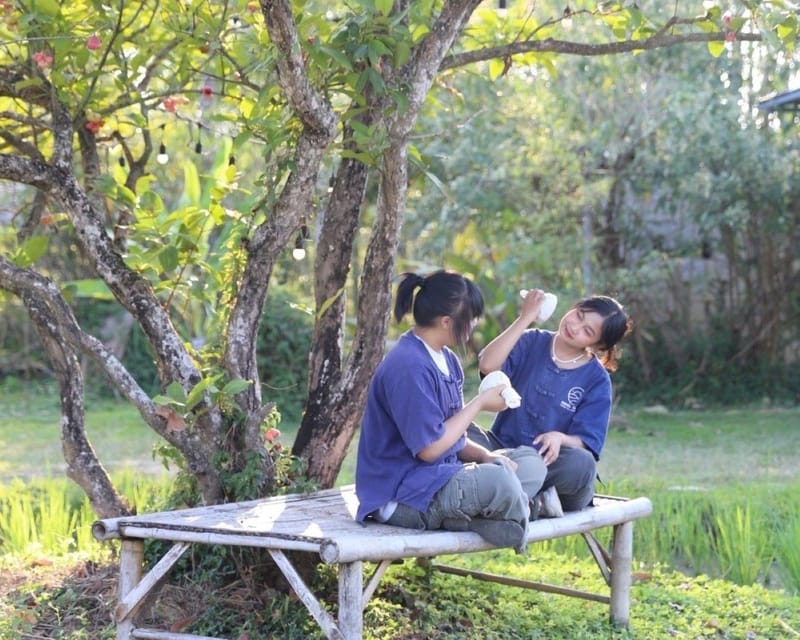
The final ball is designed as a natural wellness product for relaxation and rejuvenation. The information provided does not specify how it is heated, applied, or stored, so ask your herbalist for exact instructions before leaving. That small question can make the difference between a useful souvenir and an item that sits forgotten in your luggage.
I like this part because it gives you a physical reminder of the lesson. Many Chiang Mai souvenirs are bought in a hurry. Here, the souvenir records your own choices and effort, and the instructor can explain how to repeat the process at home.
The pace should feel unhurried. Three hours covers both crafts, the herb explanations, and the final instructions. Still, this is not a quick drop-in activity. Set aside the full session so you can work carefully instead of rushing the final steps.
Same city, a completely different sort of day:
- Chiang Mai: Elephant Sanctuary, Waterfall & Bamboo Rafting
★ 4.9 · 9,160 reviews - Chiang Mai: Doi Inthanon National Park Eco-Friendly Tour
★ 4.6 · 6,667 reviews - Chiang Mai: Elephant Sanctuary & Waterfall Group Tour
★ 4.9 · 5,780 reviews - Chiang Mai: Chiang Rai Temples, Karen Tribe and Hot Springs
★ 4.7 · 5,401 reviews
Creating a portable herbal inhaler
The second project is an herbal inhaler. This is the more travel-friendly item, since its small size makes it easy to carry in a bag or keep nearby during the day.
The workshop introduces aromatic choices such as lavender, eucalyptus, and peppermint. Lavender is associated with a calming scent, while eucalyptus and peppermint are often used for their fresh, clearing aromas. The class presents these herbs as options connected with respiratory comfort and stress relief, but the exact ingredients and blend are not guaranteed.
You create a personalized inhaler rather than selecting a finished commercial product from a shelf. That lets you pay attention to the scent you actually like. If strong aromas bother you, tell the instructor before you prepare your blend and take time to smell the options carefully.
The inhaler also makes a practical travel keepsake. It takes up little space, has an obvious everyday purpose, and comes with the story of making it in Chiang Mai. Ask for storage and use instructions, especially if you plan to keep it in a hot suitcase or use it around children.
Why the private format matters
This is described as a private group activity. That can change the feel of a craft lesson in useful ways. You have more room to ask about herbs, request clarification in English or Thai, and work at a pace that suits your group.
A private session is especially useful if one person wants extra help with shaping the herbal ball or if your group has different levels of interest. You are not trying to keep up with a large class or waiting for a shared table to open.
The tradeoff is that a private activity may cost more per person than a large group class. At $38 per person, the price is best judged by what it includes: three hours of instruction, all crafting materials, expert guidance, an herbal ball, an inhaler, and instructions for repeating the process.
That is a fair value if you want both a lesson and take-home items. It is less compelling if your only goal is to buy an inexpensive inhaler. You are paying for the time, personal attention, and making process, not just the raw herbs.
What you take home from the farm
At the end, you take home your personalized herbal ball and herbal inhaler. The workshop also provides detailed instructions so you can try the process again later.
The instructions add value because they turn the activity into more than a one-off craft. You can remember which herbs appealed to you, repeat the basic method, and adjust future blends according to your preferences. The workshop does not specify whether extra ingredients are included for home use, so expect to receive the completed items and guidance rather than a full refill kit.
Pack the finished pieces with care for the journey home. No special packaging details are given, so it is sensible to keep them dry and separate from clothing or food until you know how the farm recommends storing them.
These items are also easy to give as gifts, but I would keep one for yourself. The inhaler is compact, and the herbal ball carries a stronger connection to the actual workshop.
Language, age limits, and comfort
Instruction is available in English and Thai. That makes the activity workable for English-speaking visitors, though the exact level of detail can depend on the session and the questions you bring.
The experience is not suitable for children under two years old or babies under one year old. The information does not provide a wider age recommendation, so families with older children should consider whether the child can handle herbs carefully and stay engaged through a three-hour session.
This is a good match for adults interested in natural scents, simple crafts, and local wellness practices. It also suits couples or private groups seeking a quieter alternative to sightseeing in the city.
Anyone with allergies, asthma, scent sensitivity, or medical concerns should check the ingredients and intended use with the instructor. The activity presents the herbs as wellness aids, but it should not replace advice from a qualified health professional.
Booking value and practical flexibility
The listed price is $38 per person. Materials are included, so you do not need to budget separately for the herbs, containers, or basic crafting supplies. Expert instruction and two finished items are also part of the package.
The three-hour length gives the activity enough time to feel like a real workshop. You learn about the herbs, prepare an herbal ball, make an inhaler, and receive instructions for future use. The cost makes the most sense when you value the process as much as the souvenirs.
You can cancel up to 24 hours in advance for a full refund. The reserve-now, pay-later option also lets you hold a place without paying at the time of booking. Check the available starting times before committing, since no fixed daily schedule is provided.
Because the meeting point is the farm entrance, allow time to get there. The booking details do not state that transportation is included, so arrange your own way to Hang Tueng Farm unless the provider confirms otherwise.
Who should book this workshop
I would recommend this activity to you if you want a small, creative wellness lesson rather than a standard sightseeing stop. It gives you something to do with your hands, introduces useful information about aromatic herbs, and leaves you with two objects that have a clear connection to Chiang Mai.
It is also a good choice during a longer Thailand trip when you want to slow down for an afternoon. The private format makes it more personal than a large demonstration, and the English and Thai instruction helps keep the process accessible.
You may want to skip it if you dislike strong scents, have serious plant sensitivities, or prefer activities with a packed sightseeing schedule. It is also not the best pick if you want a finished product with a guaranteed ingredient list. The exact blend is shaped during the class, and the workshop is built around participation.
Should you book the Hang Tueng Farm workshop?
Book it if you want to learn a simple plant-based craft and take home an herbal ball and inhaler that you made yourself. At $38, the combination of materials, private instruction, three hours of activity, and finished products offers solid value for a hands-on Chiang Mai experience.
Before booking, confirm the meeting directions, starting time, ingredient details, and care instructions. With those points settled, this is a thoughtful choice for visitors who prefer useful souvenirs and quiet, personal activities over a hurried tour.
FAQ
Where does the herbal workshop take place?
The workshop takes place at Hang Tueng Farm in Chiang Mai Province, Thailand.
How do I identify the meeting point?
Look for a sign at the entrance identifying the property as Hang Tueng Farm.
How long does the workshop last?
The workshop lasts three hours.
What is the price?
The listed price is $38 per person.
What do I make during the session?
You make one herbal ball and one herbal inhaler.
Are materials included?
Yes. All materials needed to craft the herbal ball and inhaler are included.
Do I take the finished items home?
Yes. You take home your personalized herbal ball and herbal inhaler.
What languages are available?
Instruction is available in English and Thai.
Is the workshop private?
Yes. The activity is offered as a private group.
Can I cancel for a refund?
You can cancel up to 24 hours in advance for a full refund.
Just added around Chiang Mai
- Chiang Rai Wonders: White, Blue & Red Temples and Hot Spring★ 5.0 · 3 reviews
- Chiang Rai White Temple Blue Temple and Hill Tribe Village Tour★ 3.5 · 3 reviews
- Private Chiang Mai City Tour including Wat Doi Suthep, Wat Suan Dok (SHA Plus)★ 5.0 · 3 reviews
- Chiang Mai Mae Ping River Cruise and Thai Farmer House Visit★ 4.0 · 3 reviews
- Phoenix Zipline Adventure Park – Chiang Mai Thrills★ 4.0 · 3 reviews
- Monk trails hike, Wat Phalat, Monk chanting, Wat Doi Suthep.★ 5.0 · 3 reviews
- Tok Sen Massage at Fah Lanna Spa in Chiang Mai★ 4.5 · 3 reviews
- Private: 3 days 2 night trip: ChaingMai-Chaingrai- The Golden Triangle trip★ 5.0 · 3 reviews
Workshops, compared.
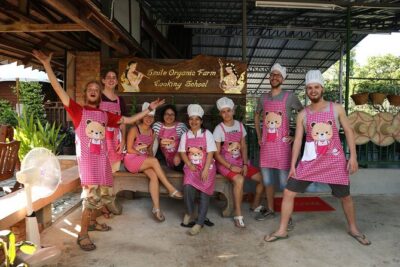
Half-Day Thai Cooking Class at Organic Farm in Chiang Mai
Read our review →
Cooking Class, Market & Thai Herbs Garden Tour
Read our review →
Authentic Cooking Class with Market & Farm Visit
Read our review →
Cooking Class with Organic Farm in Chiang Mai at Mama Noi
Read our review →Browse the lists this tour appears in