
Reviewed · ETHICAL ELEPHANT SANCTUARY VISITS
From Chiang Mai: Elephant Care Program and Nursery Tour
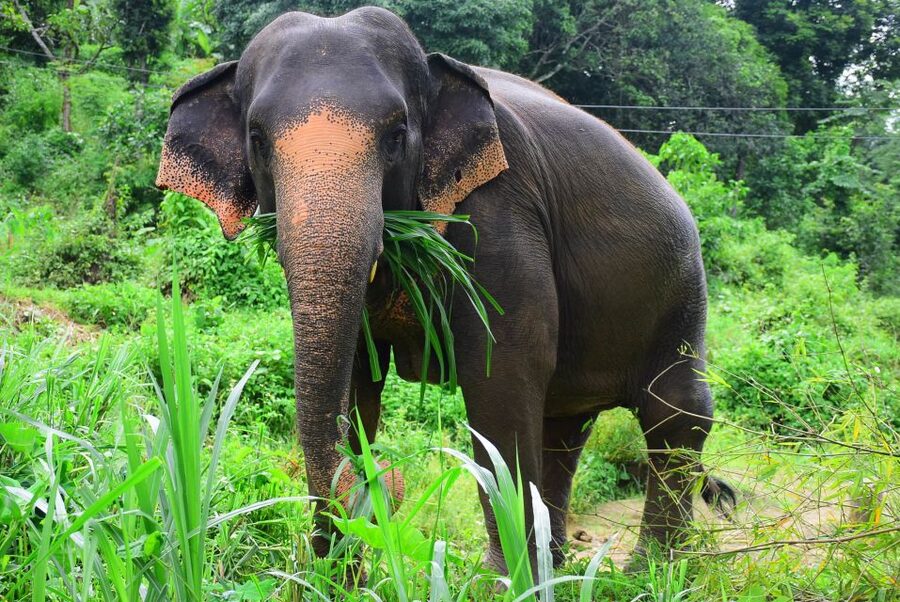
The best part of this Chiang Mai elephant experience is that the elephants set the pace. You prepare food, feed them, walk beside them, and join the mud and water activities only when the animals are willing. Francesco, Tin, Disney, Tim, and Aom have all guided groups here, with guides and keepers explaining elephant behavior as you go.
I like the hands-on care, especially making healthy medicine balls before feeding the elephants. I also like the practical setup: round-trip transport, changing clothes, showers, water, coffee, tea, and a vegetarian Thai buffet are all covered. The main drawback is simple: you need a change of clothes, and the one-hour road trip each way takes a fair share of your half-day.
In This Review
- Key points to know before booking
- A half-day with rescued elephants near Mae Tang
- The morning pickup and one-hour ride from Chiang Mai
- Feeding time and the medicine balls
- Following the elephants to the mud and sand spa
- Baby elephants, photos, and the limits of close contact
- Shower, lunch, and the ride home
- What makes the elephant care feel different
- Guides and staff shape the day
- Price, timing, and who will enjoy it most
- What to pack for a comfortable visit
- Should you book this elephant care program?
- FAQ
- Where does the elephant care program take place?
- How long does the tour last?
- Is hotel pickup included?
- What happens if my hotel is outside the pickup area?
- Is the tour conducted in English?
- What activities can I do with the elephants?
- Are the elephants forced to join the activities?
- Is lunch included?
- What should I bring?
- Are photographs included in the tour price?
Key points to know before booking
- The elephants choose the activity: Staff do not force an elephant to walk, bathe, play, or pose.
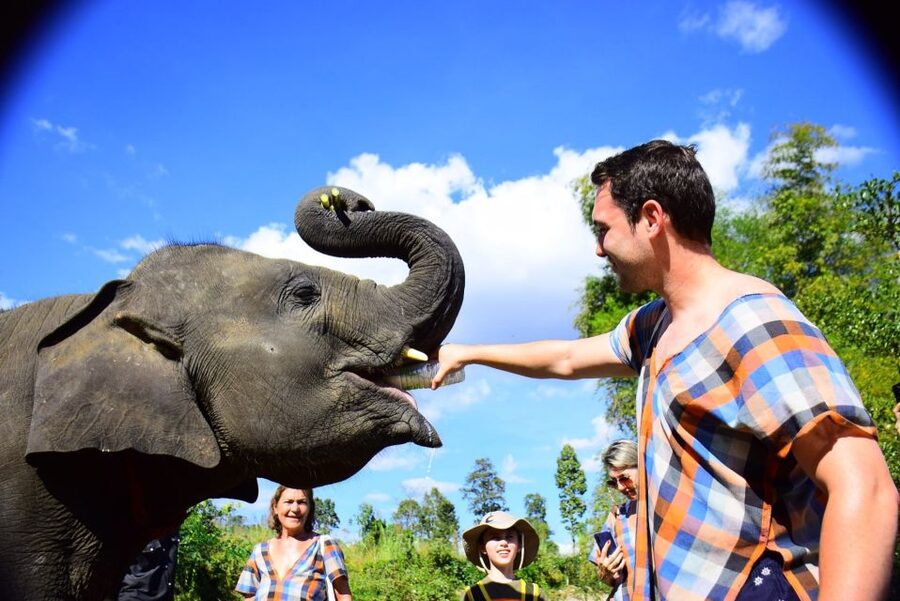
- Feeding is central: You prepare food and treats, then feed the elephants bananas and other provided food.
- Mud and water are the highlight: Bring swimwear, flip-flops, and dry clothes if you want to take part.
- A Thai buffet is included: Lunch is vegetarian-friendly, with drinking water, coffee, and tea available.
- Pickup is limited by location: Hotel transfers cover accommodations within 5 kilometers of Chiang Mai Old Town.
- Photos cost extra: An on-site photographer may offer a large set of pictures after the activities.
A half-day with rescued elephants near Mae Tang
This program takes you from central Chiang Mai into the countryside of Mae Tang district, about an hour from the city. The road time is not thrilling, but it gives you a clear break from urban Chiang Mai and puts the elephant care activities in a more natural setting.
The price is about $53 per person for five to six hours. I consider that good value if you want transport, a guide, feeding activities, mud and water time, lunch, and use of changing and shower facilities in one package. It is less appealing if you only want to observe elephants from a distance, since much of the appeal comes from getting wet, muddy, and involved.
The program is presented as an ethical elephant tourism experience. The important point for you is not the label, but the working rule: the elephants are not forced to do activities. You follow their movement rather than making them follow a fixed performance schedule. That does not remove every question that comes with close human contact, but it is a meaningful difference from shows, rides, or forced bathing.
More elephant sanctuary visits in Chiang Mai:
- Chiang Mai: Elephant Sanctuary, Waterfall & Bamboo Rafting
★ 4.9 · 9,160 reviews - Chiang Mai: Elephant Sanctuary & Waterfall Group Tour
★ 4.9 · 5,780 reviews - Chiang Mai: Elephant Sanctuary Feeding Program Half-Day Tour
★ 4.8 · 4,527 reviews
The morning pickup and one-hour ride from Chiang Mai
Pickup is provided from hotels in Chiang Mai within 5 kilometers of the Old Town. The operator confirms the exact pickup time after booking, so keep your phone available and allow a little flexibility in your morning plans.
The ride to Mae Tang takes roughly one hour, followed by a similar trip back. That makes the total outing five to six hours, not five to six hours at the elephant park itself. If you have a tight afternoon booking, factor in the return journey.
Transport is one of the strongest practical features here. You do not need to arrange a separate driver or negotiate a taxi to a rural park. Vehicle comfort can vary, and one person found the ride comfortable but was concerned about seatbelts, so I would check your belt as soon as you board and raise any concern with the driver.
On arrival, you change into local clothes supplied or provided for the activities. Still, wear clothes that can get dirty underneath, and pack a proper change for afterward. A waterproof bag for wet clothes is a smart extra, even though it is not on the official packing list.
Feeding time and the medicine balls
The day begins with an introduction to the elephants and basic guidance on safe care. Your English-speaking guide explains how elephants behave, how to approach them, and what the staff do to support their health.
Then comes the first close encounter: preparing food and feeding the elephants. Bananas feature in the experience, and the food for feeding is included in the price. You are not expected to buy treats at the park.
A particularly interesting activity is making medicine balls, also described as healthy treats for the elephants. This gives the feeding session more purpose than simply handing out fruit. You get a small look at the daily care routine, and the guides can explain why certain foods or ingredients are used.
This is also a good time to watch behavior rather than focus only on photographs. Elephants have different temperaments, and the staff can help you notice those differences. A baby elephant may attract much of your attention, but the adult animals are just as interesting when they decide where to walk, when to eat, or when to leave.
Following the elephants to the mud and sand spa
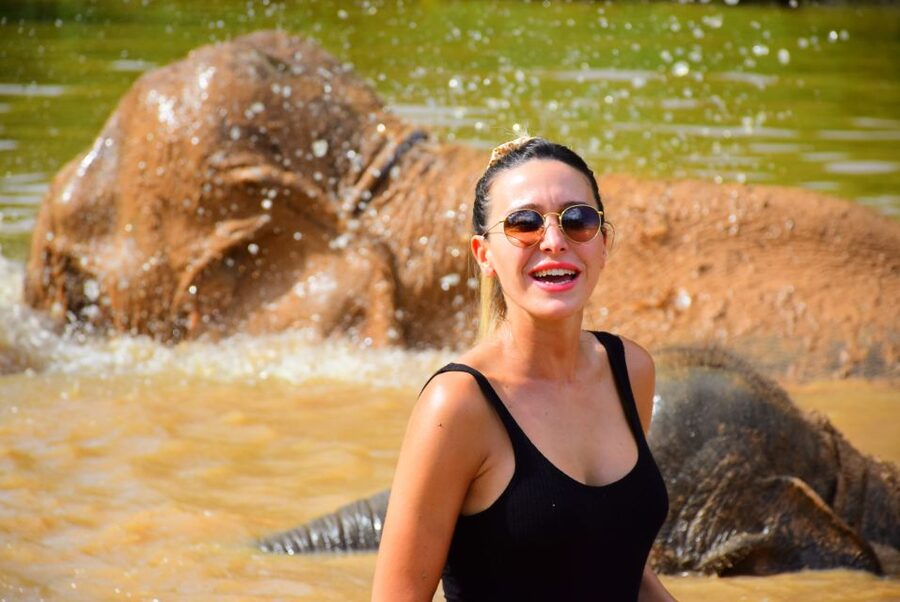
After feeding, you walk with the elephants to the mud and sand spa. The wording matters: you walk with them, not on them, and you follow their lead. The activity takes place outdoors, with the elephants free to stop or move away.
The mud session is the messiest and most playful part of the day. You may help apply mud as a kind of skin treatment, watch the elephants roll and play, and take pictures from close range. The sand spa adds another chance to observe natural behavior, rather than simply standing in a photo line.
The water session follows the mud. Depending on the elephants’ mood, you may help wash them, splash them, or take part in bathing beside them. Being splashed is part of the fun, but it is also why swimwear and a change of clothes are essential.
Some people arrive without dry clothes and cannot properly join the mud or bath activities. Do not make that mistake. Bring swimwear, flip-flops, insect repellent, personal medication, and a plastic or waterproof bag for damp items.
The ground may be slippery, and you should expect a basic outdoor activity rather than a polished resort pool. Follow instructions from the keepers, keep your movements calm, and give the elephants room when they choose to move.
Same city, a completely different sort of day:
- Half-Day Thai Cooking Class at Organic Farm in Chiang Mai
★ 5.0 · 19,087 reviews - Chiang Mai: Doi Inthanon National Park Eco-Friendly Tour
★ 4.6 · 6,667 reviews - Chiang Mai: Chiang Rai Temples, Karen Tribe and Hot Springs
★ 4.7 · 5,401 reviews - Chiang Mai: Cooking Class, Market & Thai Herbs Garden Tour
★ 4.9 · 4,824 reviews
Baby elephants, photos, and the limits of close contact
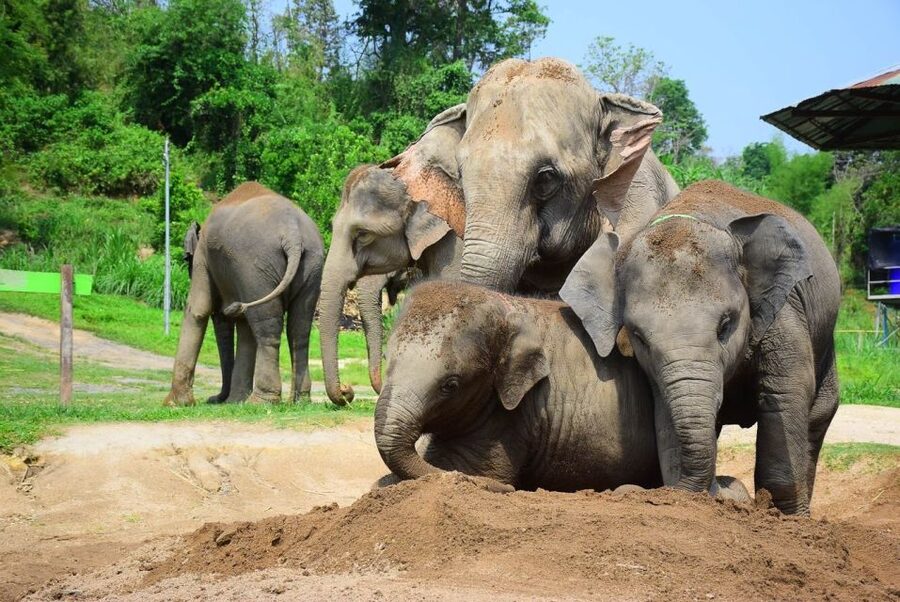
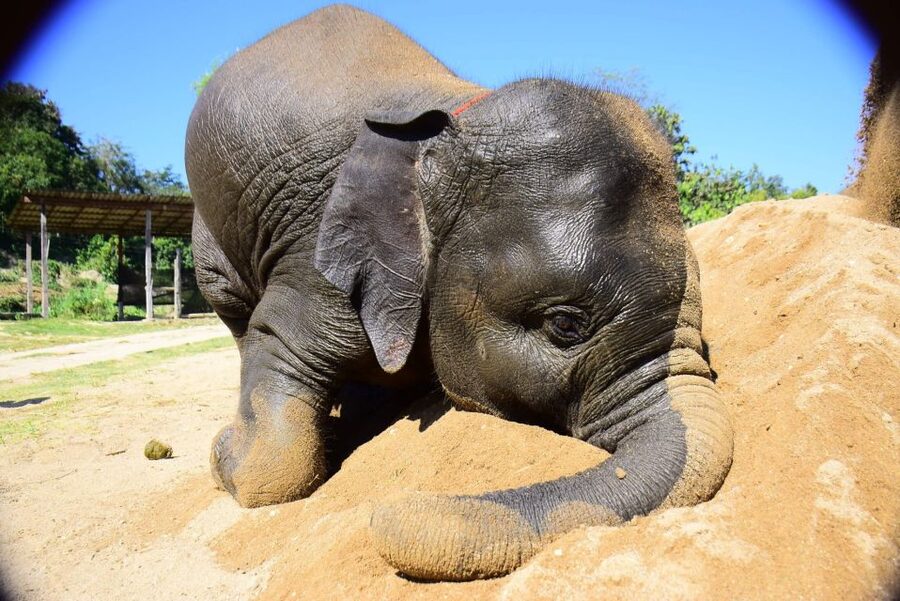
The park is home to elephants of different ages, including a young baby mentioned by several visitors. Playing near a baby elephant can be the emotional high point of the program, but it is important to remember that the mother and other adults remain part of the group.
You will have opportunities to take photos with the elephants. Guides and staff may also take pictures using your own camera or phone, while a dedicated photographer takes higher-quality images during the activities.
Those professional photographs are not included. The price reported for the photo package has varied, with examples of about 500 to 800 baht for a large collection. You can view the images before deciding, which is useful. I would treat them as an optional extra, not as part of the $53 tour price.
If you want good personal photographs, have one person in your group step back with a phone while you take part. Otherwise, you may spend too much of the mud and bath time worrying about your camera. The staff photographers can record moments while you concentrate on the elephants.
The close contact is a major attraction, but it requires sensible expectations. You are not guaranteed a hug, a perfect pose, or a long bath. The animals may wander off, and that is a positive sign when the program’s central promise is that they are not forced.
Shower, lunch, and the ride home
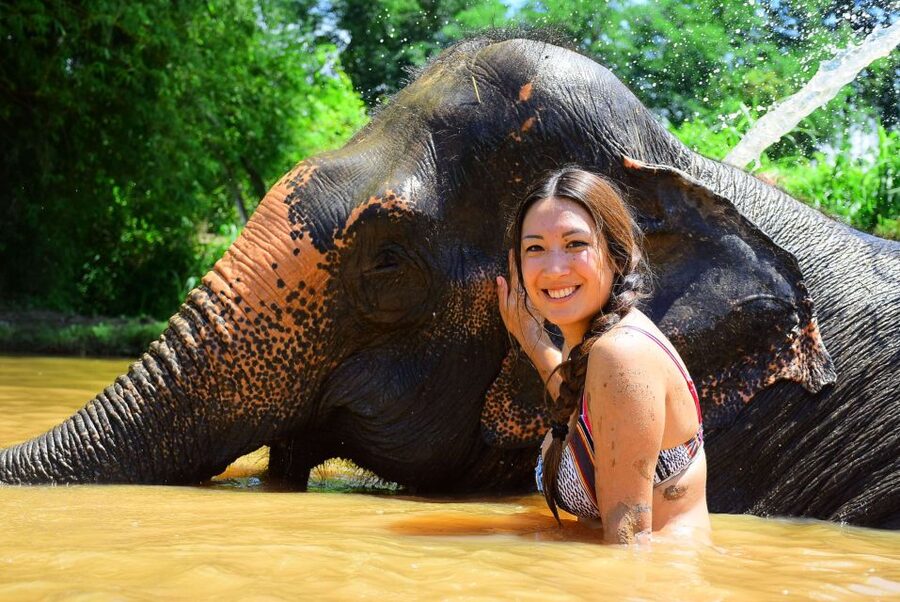
After the elephant activities, you change out of the muddy clothes and use the shower facilities. Simple towels and soap have been available, but I would still pack your own small toiletries if you prefer familiar products.
Lunch is a traditional Thai buffet and is suitable for vegetarians. Pad Thai and vegetable fried rice have been served, along with other simple Thai dishes. The meal is not presented as a gourmet event, but it is a welcome, filling finish after a wet morning.
Drinking water, coffee, and tea are included. Staying hydrated matters in Chiang Mai’s heat, especially when you are walking, standing outdoors, and spending time in mud and water. If you have strict dietary needs beyond vegetarian food, ask the operator before booking because the provided information only confirms vegetarian suitability.
After lunch, you relax during the roughly one-hour drive back to Chiang Mai. The return ride makes the program easy to fit into a day when you are staying in the city, but it also means you should not plan a very early evening activity without a time cushion.
What makes the elephant care feel different
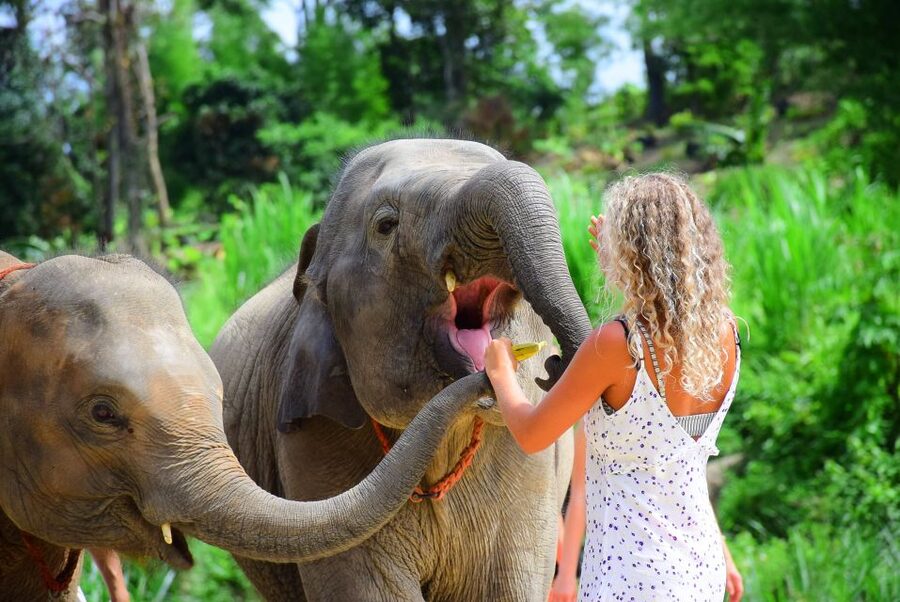
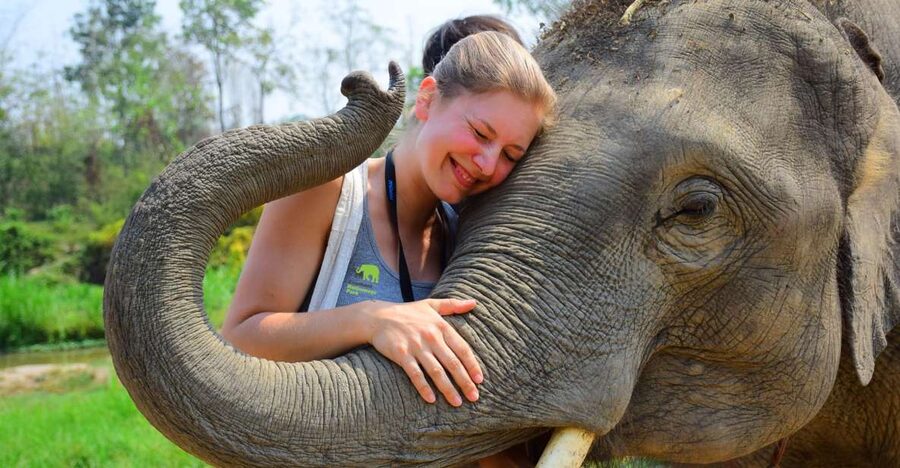
The strongest feature is the mix of contact and observation. You are close enough to feed the elephants and help with mud and bathing, but the stated practice is to let them decide when to participate.
The staff also connect the activities with rescue and retirement work. Your booking supports the park’s ongoing elephant care and future rescues, while extra purchases such as photographs or elephant clothing may also contribute to food, medical treatment, or rescue work.
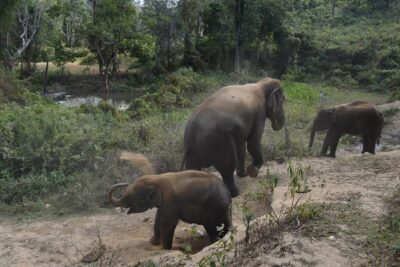
I would not treat any sanctuary claim as something you must accept without thought. Elephant tourism in Thailand varies widely, and the most useful questions are practical: Are rides offered? Are performances staged? Are animals forced into activities? Can they walk away? Here, the supplied information says there are no forced activities, and multiple accounts describe elephants free to roam and leave when they want.
The program also appears to keep the ratio of people to elephants reasonably manageable at some times. One person described an intimate group, while another encountered around 20 to 25 people. Numbers can vary by date and season, so do not assume every visit will feel private.
Guides and staff shape the day
The guide makes a real difference because the schedule itself is straightforward. Feeding, medicine preparation, walking, mud, bath, shower, lunch. What turns it into a worthwhile experience is the explanation of elephant behavior and the care shown by the keepers.
Francesco has been praised for his enthusiasm and explanations of Asian elephants. Tin, Disney, Tim, and Aom have also been named in connection with warm, helpful guiding and smooth transport. Guide assignments can change, but you can expect an English-speaking guide rather than a self-guided visit.
The best guides do more than tell you where to stand. They explain when to approach, when to pause, and what the elephants’ actions may mean. One past account found the tour less structured and wanted more information, so the quality of commentary may depend on the guide and the size of the group.
Do ask questions. This is one of the few parts of the day that does not require getting muddy, and it can add real value to the visit.
Price, timing, and who will enjoy it most
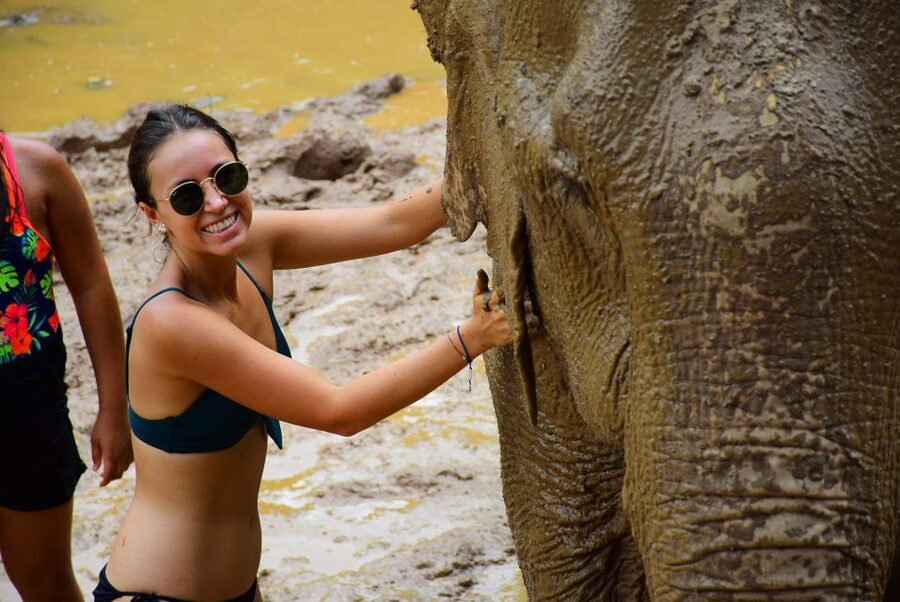
At $53, the tour is priced as a full half-day outing rather than a short photo stop. Round-trip hotel transport, an English-speaking guide, food for the elephants, lunch, water, coffee, tea, changing areas, and showers are included.
I find the value strongest for first-time visitors who want a simple, organized way to meet elephants outside Chiang Mai. You avoid arranging transport, carrying food, or finding a separate lunch stop. The program also gives you several kinds of contact, so it feels fuller than a short feeding visit.
Families can enjoy the baby elephants and hands-on food preparation, though young children should follow staff instructions closely around large animals. The mud and bath sessions suit people who do not mind getting dirty. If you want a quiet wildlife observation experience with no touching, this may feel too interactive.
The five to six-hour schedule works well as a major morning or afternoon plan. Pickup times vary, so check availability for your date. Free cancellation is available up to 24 hours before the activity for a full refund, and you can reserve now and pay later, which helps if your Chiang Mai plans are still shifting.
What to pack for a comfortable visit
Pack lightly, but pack the right things. Your most important items are:
- Swimwear
- A full change of clothes
- Flip-flops or sandals that can get muddy
- Insect repellent
- Personal medication
- A bag for wet clothing
Wear clothing you can change out of easily. The park provides local clothes for the activity, but you should not rely on them as your only layer.
Keep your phone protected around the mud and bath areas. If you plan to use it for photographs, a waterproof case is sensible. You can also leave much of the picture-taking to the staff photographer and focus on what is happening in front of you.
Should you book this elephant care program?
I would book it if you want close, hands-on contact with rescued elephants and you are comfortable with mud, water, and a one-hour ride each way. The included transport and lunch make the $53 price fair, while the elephant-led approach gives the program a more responsible feel than riding or show-based activities.
I would hesitate only if you want a small, quiet group every time, have mobility or dietary needs that require advance confirmation, or dislike wet outdoor activities. Group sizes can vary, and the day is built around participation.
For most visitors staying in Chiang Mai, this is a strong choice for a half-day elephant encounter. Bring dry clothes, listen to the keepers, and remember that the most ethical moment may be the elephant walking away from the activity.
FAQ
Where does the elephant care program take place?
The program takes place in Mae Tang district in Chiang Mai Province, about one hour from Chiang Mai city center.
How long does the tour last?
The full experience lasts about five to six hours, including transportation from Chiang Mai and the return trip.
Is hotel pickup included?
Yes. Round-trip hotel transfers are included for accommodations within 5 kilometers of Chiang Mai Old Town.
What happens if my hotel is outside the pickup area?
You should contact the local operator after booking if your hotel is outside the stated pickup service area.
Is the tour conducted in English?
Yes. The experience includes a live English-speaking guide.
What activities can I do with the elephants?
You can prepare food and treats, feed the elephants, walk with them, observe their behavior, and take part in mud and bathing activities when the elephants choose to participate.
Are the elephants forced to join the activities?
No. The program states that the elephants are not forced to do any activity they do not want to do.
Is lunch included?
Yes. A vegetarian Thai buffet lunch is included, along with drinking water, coffee, and tea.
What should I bring?
Bring swimwear, a change of clothes, flip-flops, insect repellent, and any personal medication you need. A bag for wet clothing is also useful.
Are photographs included in the tour price?
No. An on-site photographer may take professional photographs, but photo packages are an additional purchase. You can also use your own camera or phone.
Just added around Chiang Mai
- Chiang Rai Wonders: White, Blue & Red Temples and Hot Spring★ 5.0 · 3 reviews
- Chiang Rai White Temple Blue Temple and Hill Tribe Village Tour★ 3.5 · 3 reviews
- Private Chiang Mai City Tour including Wat Doi Suthep, Wat Suan Dok (SHA Plus)★ 5.0 · 3 reviews
- Workshop Making Herbal ball & herbal inhaler★ 4.3 · 3 reviews
- Chiang Mai Mae Ping River Cruise and Thai Farmer House Visit★ 4.0 · 3 reviews
- Phoenix Zipline Adventure Park – Chiang Mai Thrills★ 4.0 · 3 reviews
- Monk trails hike, Wat Phalat, Monk chanting, Wat Doi Suthep.★ 5.0 · 3 reviews
- Tok Sen Massage at Fah Lanna Spa in Chiang Mai★ 4.5 · 3 reviews
Ethical Elephant Sanctuary Visits, compared.
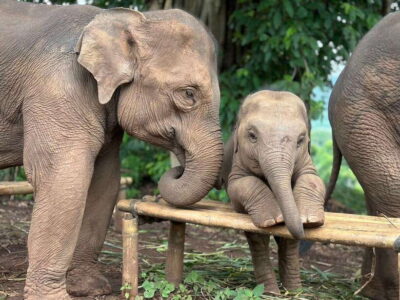
Elephant Sanctuary, Waterfall & Bamboo Rafting
Read our review →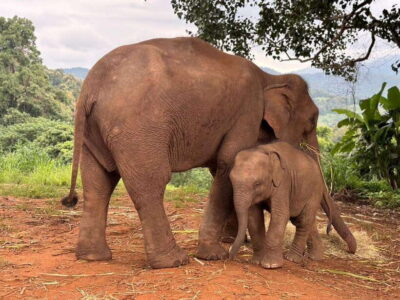
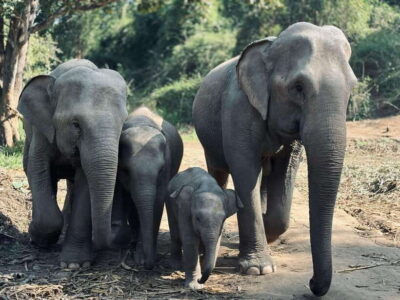
Elephant Sanctuary Feeding Program Half-Day Tour
Read our review →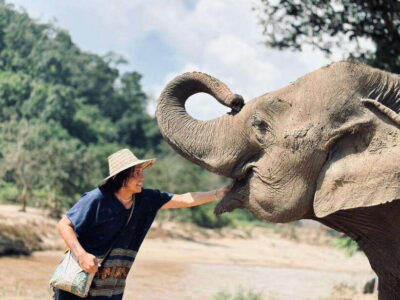
Elephant Sanctuary, Long Neck & Sticky Waterfall
Read our review →
3-in-1: Doi Inthanon Tour, Elephant Sanctuary, and Trekking Trail
Read our review →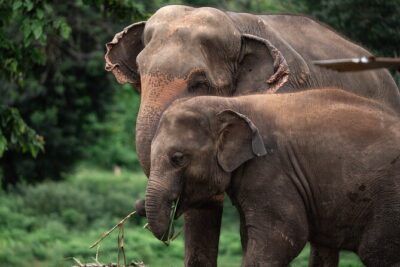
Chiang Mai Elephant Sanctuary, Bamboo Rafting and Waterfall Tour
Read our review →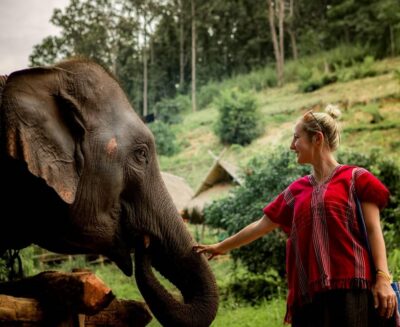
Browse the lists this tour appears in