
Reviewed · THAI COOKING CLASSES
Chiang Mai: HALF-DAY COOKING COURSE at a Thai Cooking Farm
The most useful part of this Chiang Mai cooking course happens before the first wok hits the heat: your guide takes you through a local market and explains the herbs, vegetables, curry pastes, coconut products, and spices that shape Thai food. Then you head to The Rice Barn Thai Cooking Farm, where you cook at your own station instead of watching someone else do the work. I like the market-to-kitchen connection, and I like that the food is cooked individually, so you can control your own pace and seasoning. The one thing to consider is the sheer amount of food. Come hungry, or you may be defeated by the final plate of mango sticky rice.
In This Review
- Key points at a glance
- Why this Chiang Mai cooking class works so well
- From hotel pickup to a local Chiang Mai market
- Arriving at The Rice Barn Thai Cooking Farm
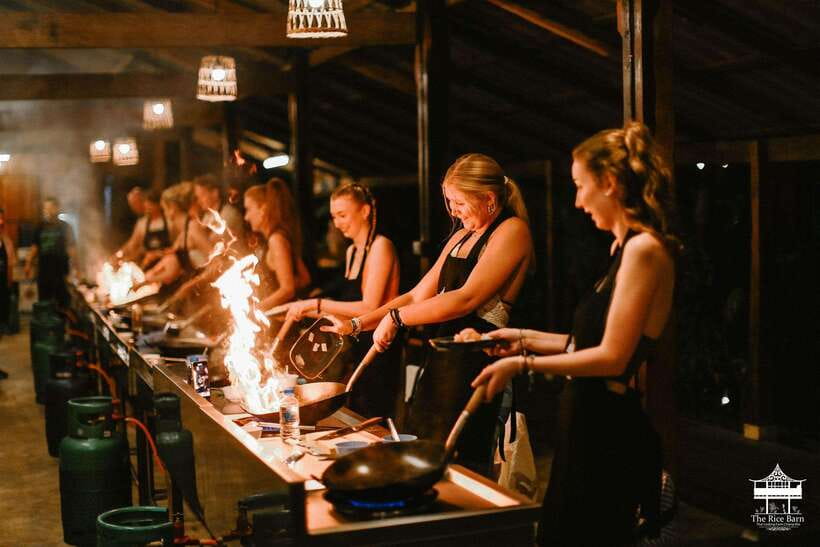
- Cooking five Thai dishes at your own station
- Tom Yum soup
- Pad Thai
- Panang or green curry
- Cashew chicken
- Mango sticky rice
- How much hands-on instruction will you get?
- Group size, atmosphere, and solo visitors
- What the $28 price really includes
- Timing, cancellation, and useful preparation
- Should you book The Rice Barn cooking course?
- FAQ
- How long does the Chiang Mai cooking course last?
- Is hotel pickup included?
- What language is the class taught in?
- What dishes will I cook?
- Do I cook the food myself?
- Are ingredients and cooking materials included?
- Is food and drink included?
- Do I receive the recipes after the class?
- Can I cancel the booking?
Key points at a glance
- Market first, cooking second: Learn what Thai ingredients look and smell like before using them.
- Your own cooking station: Prepare the dishes yourself, with demonstrations and supervision from the instructors.
- Five generous dishes: The usual menu includes Tom Yum soup, Pad Thai, Panang or green curry, cashew chicken, and mango sticky rice.
- A rural farm setting: Cook in a clean open-air kitchen beside gardens and farmland outside central Chiang Mai.
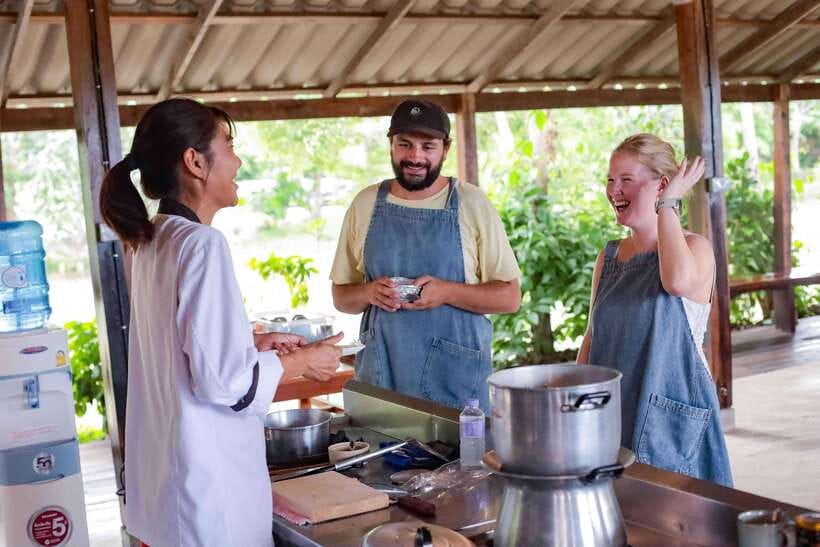
- Funny, attentive teachers: Oily, Katie, Timi, Gobby, and other instructors bring plenty of energy while explaining the food clearly.
- Strong value at $28: Hotel pickup, transport, ingredients, drinks, cooking, a recipe e-book, and a large meal are included.
Why this Chiang Mai cooking class works so well
Thai food can look simple on the plate, but the flavor comes from a careful balance of hot, sour, salty, sweet, bitter, and fragrant ingredients. This course gives you a practical way to understand that balance. You are not simply handed a finished dish and told what it contains. You see the ingredients at the market, watch a demonstration, cook the dish yourself, and then eat it while the method is still fresh in your mind.
I also like the rhythm of the experience. The morning or afternoon starts with pickup from your Chiang Mai hotel, moves to the market, and then continues at the farm kitchen. The six-hour schedule gives the day room to breathe. You are not racing through one quick recipe before being sent back to town.
The course is run in English, and the instructors use demonstrations to keep the instructions clear. Oily is often praised for her humor and food knowledge, while Katie, Timi, and Gobby are also frequently part of the teaching team. The exact instructor can vary, but the pattern is consistent: one chef explains and demonstrates, then you repeat the process at your own station.
More Thai cooking classes in Chiang Mai:
- Half-Day Thai Cooking Class at Organic Farm in Chiang Mai
★ 5.0 · 19,087 reviews - Chiang Mai: Cooking Class, Market & Thai Herbs Garden Tour
★ 4.9 · 4,824 reviews - Chiang Mai: Authentic Cooking Class with Market & Farm Visit
★ 4.9 · 4,546 reviews
From hotel pickup to a local Chiang Mai market
Round-trip transport in an air-conditioned vehicle is included, which makes this easier than arranging your own way to a cooking school outside the city. Pickup is from your hotel in Chiang Mai. The exact time depends on the session you book, so check the available start times before committing to other plans.
The market visit is not just a shopping stop. Your guide introduces the ingredients used later in the class, including Thai vegetables, herbs, spices, fruit, and curry components. One session also included a look at how coconut milk is made, a small but useful lesson because coconut milk appears in many Thai dishes and is very different from the sweetened coconut products used in Western desserts.
This stop matters because Thai ingredients can be confusing when you first encounter them. Galangal, lemongrass, kaffir lime leaves, Thai eggplant, fresh chilies, and several types of basil may look unfamiliar. Seeing them in their normal setting helps you recognize them later in an Asian grocery store or market back home.
The market itself has been described as clean and easy to explore. You may have time to buy produce, and one participant even returned later for shopping. That is a nice bonus if you want to bring home chilies, curry ingredients, or dried spices, although the course does not promise a separate shopping period.
The market is also the least controlled part of the day. It is a real local market, not a polished museum display. Your guide provides the context, but you should expect a working food market rather than a long cultural tour. The focus stays on ingredients for the cooking class.
Arriving at The Rice Barn Thai Cooking Farm
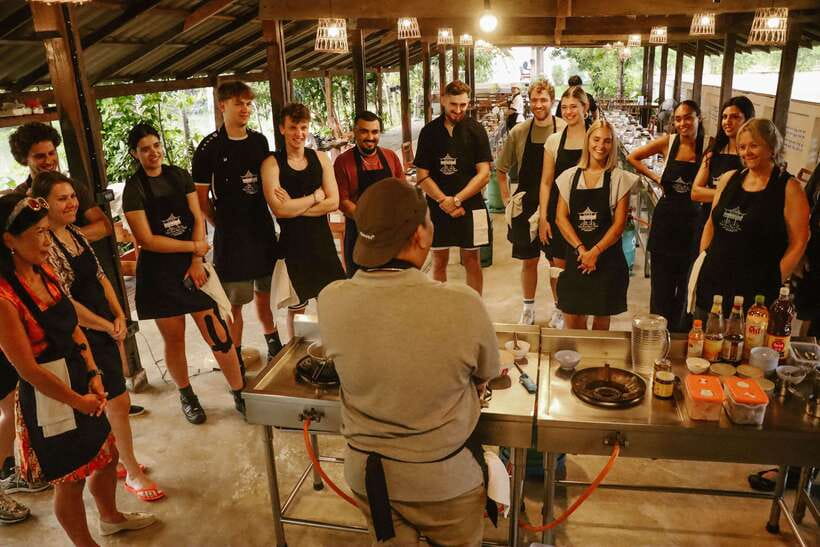
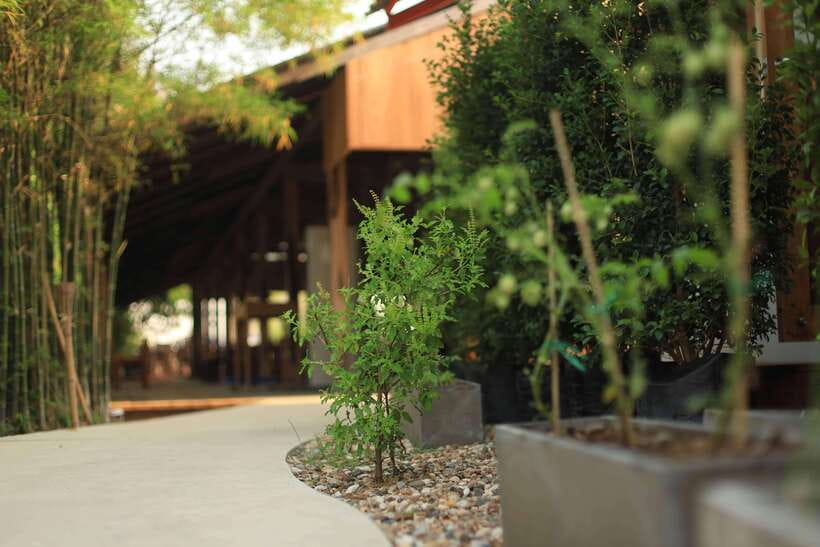
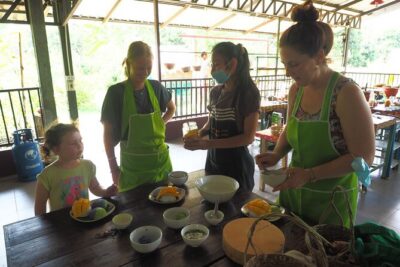
After the market, you continue to the Rice Barn farm. The setting is one of the strongest reasons to choose this class over a kitchen in a city building. The cooking area is open-air, with gardens and farmland around it, and the farm grows some of its own produce.
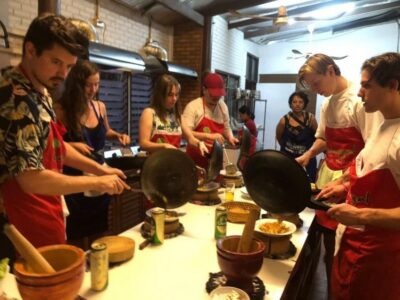
You can expect stainless steel individual workstations arranged for hands-on cooking. The facilities are repeatedly described as clean, orderly, and well maintained. That matters when you are handling raw meat, curry paste, hot oil, and several dishes at once. The cooking stations also make the class feel active rather than passive.
The outdoor setting gives you a better sense of northern Thailand beyond the old city walls. You might see local farmland being prepared for rice cultivation, and the open surroundings make the long session more pleasant than a crowded indoor room. At the same time, this is still a working outdoor kitchen. Heat, sun, and weather can affect comfort, so light clothing and sensible sun protection are wise.
The farm has drinks available, including coffee or tea as part of the included service. Other drinks such as water, soda, or beer may also be available for purchase. The ingredients and cooking materials are included, so you do not need to shop for the recipes before arriving.
Cooking five Thai dishes at your own station
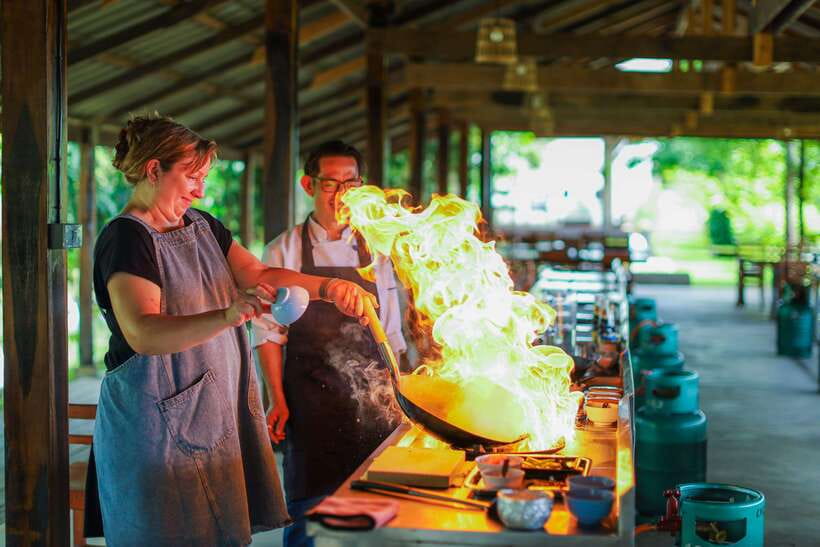
The menu generally covers five familiar Thai dishes. You cook Tom Yum soup, Pad Thai, cashew chicken, and mango sticky rice, then choose between Panang curry and green curry. Some descriptions refer to four dishes plus sticky rice prepared separately, but the practical experience is a full meal of several dishes, not a single recipe lesson.
The instructors first demonstrate each recipe. They explain the ingredients, show the cooking order, and describe why each step matters. Then you return to your station and prepare your own portion under supervision. That format suits beginners because you can see the process before trying it, while more confident cooks still get to work with the heat, timing, and seasoning themselves.
Same city, a completely different sort of day:
- Chiang Mai: Elephant Sanctuary, Waterfall & Bamboo Rafting
★ 4.9 · 9,160 reviews - Chiang Mai: Doi Inthanon National Park Eco-Friendly Tour
★ 4.6 · 6,667 reviews - Chiang Mai: Elephant Sanctuary & Waterfall Group Tour
★ 4.9 · 5,780 reviews - Chiang Mai: Chiang Rai Temples, Karen Tribe and Hot Springs
★ 4.7 · 5,401 reviews
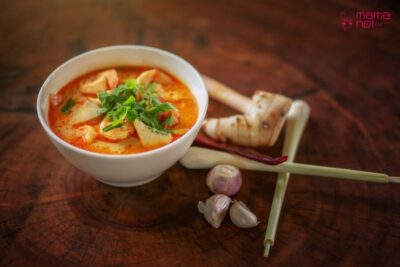
Tom Yum soup
Tom Yum is a good introduction to the Thai approach to flavor. The key ingredients bring sourness, heat, fragrance, and savory depth. Rather than simply memorizing a list, you learn how the aromatics are used and how the final balance comes together.
The dish is also useful at home because the method is adaptable. You can adjust the chili level and change the main ingredient, although the exact substitutions covered in class are not specified.
Pad Thai
Pad Thai is one of the dishes most people hope to learn, and it is a practical choice for a first Thai cooking class. The ingredients are easy to find in many cities, and the cooking process teaches you to manage noodles, sauce, protein, and garnish in a short time.
The main lesson is timing. Once the pan is hot, the dish moves quickly. Having your ingredients portioned and ready helps you understand why Thai cooks prepare everything before turning on the heat.
Panang or green curry
The curry choice gives you a chance to compare two distinct styles. Green curry is usually associated with a brighter chili and herb character, while Panang is generally thicker and more rounded. The class gives you the basic method, though it is not presented as an advanced curry-paste workshop.
You should check the menu on your date if one curry matters to you. The supplied details consistently describe a choice between Panang and green curry rather than a guarantee that you will make both.
Cashew chicken
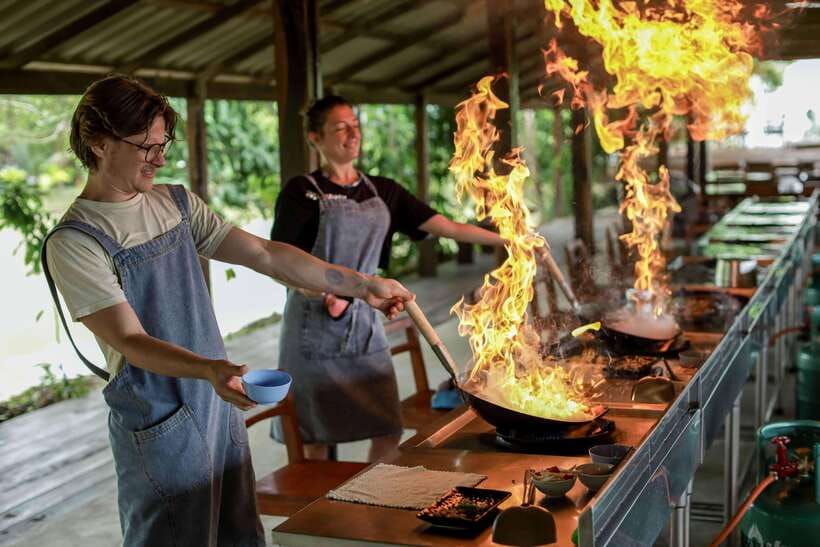
Cashew chicken brings more wok work into the session. The dish has also been a memorable moment for some groups because of the flambéing step. That is fun to watch and more fun to attempt, but you should follow the instructor closely and let the teacher control any part of the process that involves open flame.
This is one of the recipes that makes the class feel like real cooking rather than simple assembly. You get to see how heat changes the texture of the chicken and the flavor of the sauce.
Mango sticky rice
Mango sticky rice is the natural finish. It provides a sweet contrast to the soups, noodles, curry, and stir-fry, and the sticky rice is prepared as part of the class, sometimes by demonstration rather than by each participant from the beginning.
Do not underestimate the portions. You may eat five dishes during the session, and the food is described as plentiful. Skipping breakfast or having a very light meal before an afternoon class is sensible.
How much hands-on instruction will you get?
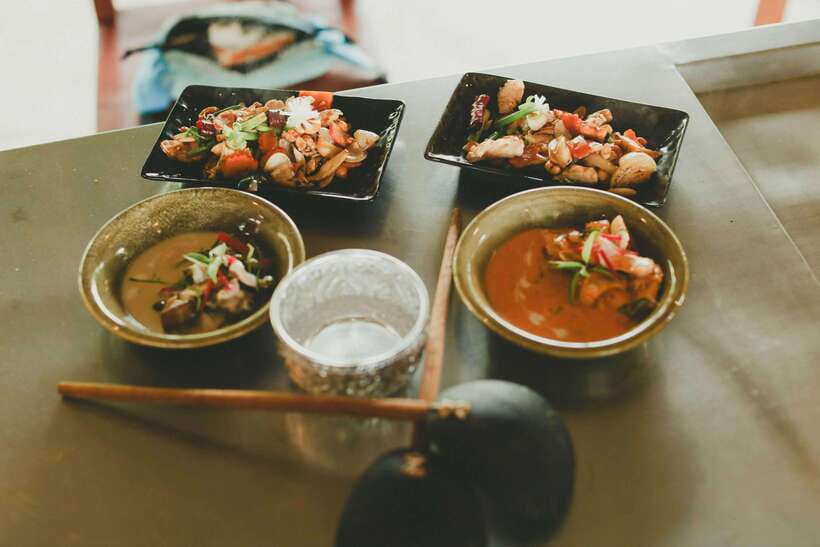
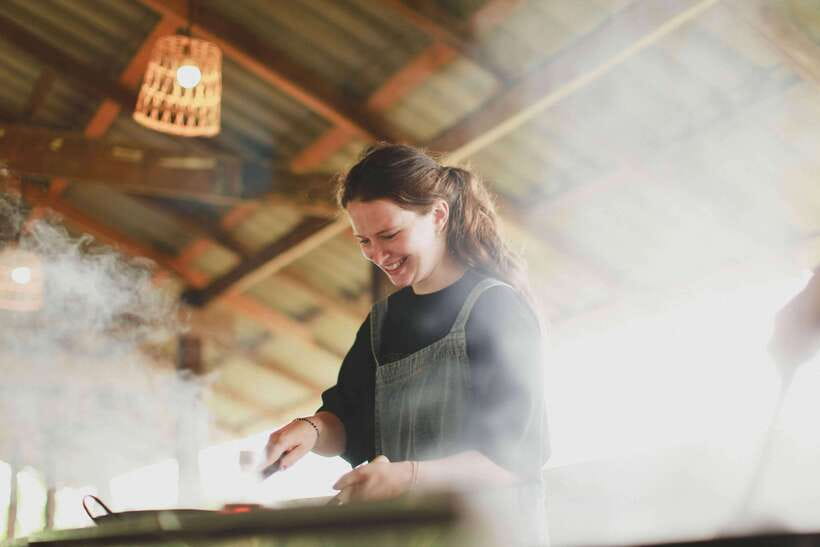
This is not a class where you sit around a large table and watch one chef prepare dinner. The individual stations are central to the experience. You chop, stir, fry, season, and plate your own food, with instructors moving around the kitchen to help.
The teachers are a major part of the appeal. Oily is often singled out for being funny, clear, and attentive. Katie is praised for combining good humor with careful explanations, and Timi and Gobby are also described as warm, energetic teachers. Their style appears lively rather than formal, which helps when a group includes people with different cooking abilities.
You do not need to be an experienced cook. The demonstrations and supervision make the recipes approachable. If you are already comfortable in the kitchen, you may find some of the recipes fairly straightforward. One participant would have preferred a greater challenge and more freedom to choose ingredients and mix sauces independently. That is a fair point: this course teaches reliable Thai staples, not advanced professional technique.
The prepared ingredients are portioned in advance, which keeps the group moving and reduces confusion. It also means you are learning the cooking method more than the full preparation process. If your goal is to practice knife skills, ingredient selection, or creating a curry paste from raw spices, ask about the exact class format before booking.
Group size, atmosphere, and solo visitors
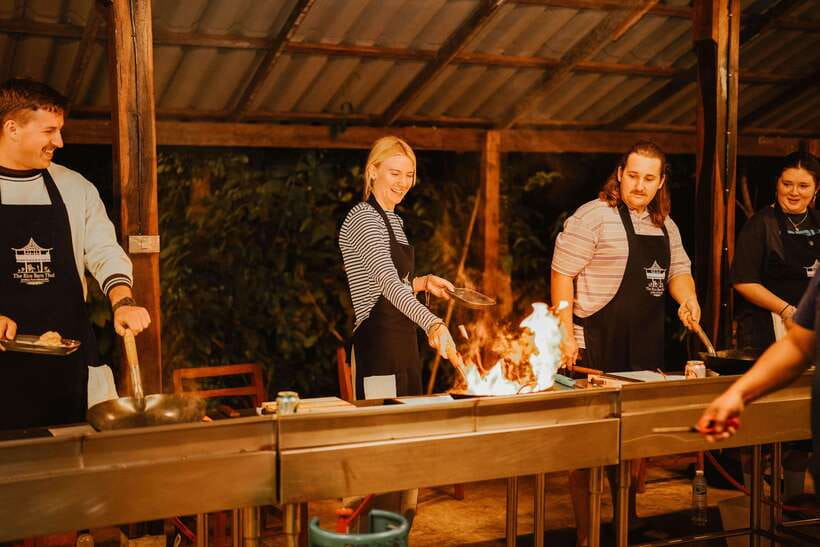
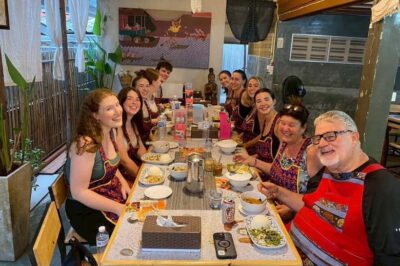
Group size can vary. One session had eight people, while the kitchen had room for more, so the class may feel intimate or busier depending on the date. Your own station gives you some personal space even when the class is full.
The social side is easygoing. The instructors use jokes and demonstrations to bring people together, and solo visitors can chat with others quickly if they want to. At the same time, you cook your own dishes rather than sharing one cooking task with a partner. That makes the experience work for couples, friends, families, and solo visitors.
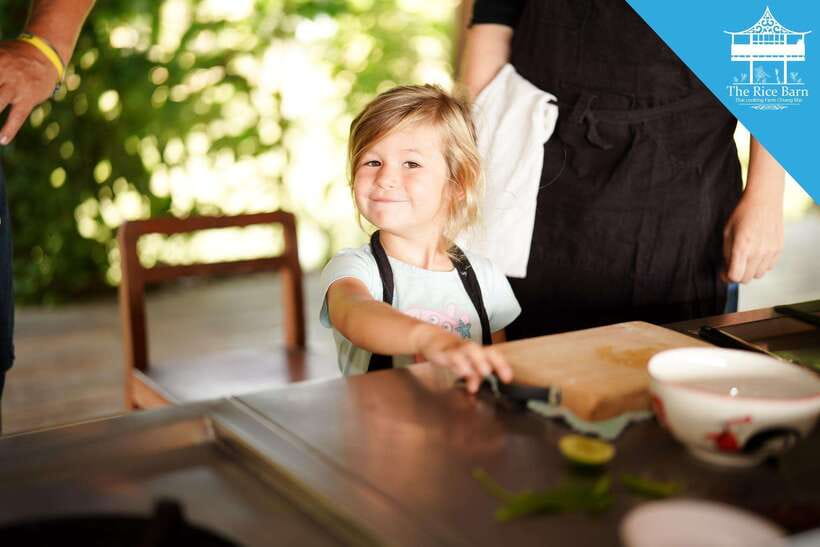
Families may also find it suitable. One instructor was especially attentive with children, and the cooking is broken into manageable steps. You should still consider the six-hour length and the presence of hot pans and open flames when deciding if very young children will be comfortable.
Dietary needs need advance attention. An instructor was able to accommodate a gluten-free requirement, but the supplied information does not promise a standard dietary menu. Contact the local partner before booking if you have an allergy or strict restriction.
What the $28 price really includes
At $28 per person, this is strong value if you use most of what is offered. The price includes hotel pickup and return transport, the market visit, instruction, cooking ingredients, materials, coffee or tea, and a color recipe e-book. You also finish with a substantial meal.
Transport alone adds real convenience. The farm is outside the central city area, and you avoid finding a taxi or negotiating a return journey after eating several full dishes. The recipe e-book adds value after the class, especially if it includes more recipes than the five prepared that day.
Some extras may cost more. Professional photos were available for purchase during at least one session, but photography is not listed as included. Drinks beyond coffee or tea may also be extra. If you are counting every baht, ask before ordering or buying photos.
The price is less attractive if you want a serious culinary course with advanced technique, market shopping for your own ingredients, or a very small private group. For a friendly, practical introduction to Thai home cooking with transport and a meal included, it is hard to complain about the amount packed into six hours.
Timing, cancellation, and useful preparation
You can choose a morning or evening course, depending on availability. A six-hour activity takes a meaningful part of your Chiang Mai schedule, so avoid placing it next to a temple tour, an elephant experience, or a flight with a tight connection.
You can cancel up to 24 hours in advance for a full refund, and the reserve-now, pay-later option keeps your plans flexible. Pickup is included from Chiang Mai hotels, and the instructor language is English.
I would wear clothes that are comfortable in a warm kitchen and easy to move in. Closed shoes are sensible around hot pans, although footwear rules are not specified. Most important, arrive hungry but not stuffed. The class is designed around eating what you cook, and the portions can be generous.
You receive a color recipe e-book, so you do not need to take notes every second. Still, I would write down any ingredient substitutions or local shopping tips that suit your kitchen at home. The best souvenir here is the ability to repeat Pad Thai or curry for friends after your trip.
Should you book The Rice Barn cooking course?
I would book this class if you want to do more than photograph Thai food. The market visit gives you useful ingredient context, the farm setting adds a pleasant change from the city, and the individual stations make the cooking genuinely hands-on.
It is especially suitable for first-time Thai cooks, couples, families with older children, and solo visitors who like a social activity. You also get a lot for $28: transport, instruction, ingredients, drinks, recipes, and a full meal.
I would hesitate only if you want advanced culinary training, a small private class, or a menu built around northern Thai specialties such as Khao Soi. Khao Soi is not listed among the standard dishes. For a relaxed and filling introduction to classic Thai cooking, The Rice Barn Thai Cooking Farm is one of Chiang Mai’s better-value food activities.
FAQ
How long does the Chiang Mai cooking course last?
The activity lasts six hours, with morning and evening start times available depending on the date.
Is hotel pickup included?
Yes. Pickup and return transport in an air-conditioned vehicle are included from hotels in Chiang Mai.
What language is the class taught in?
The instructor language is English.
What dishes will I cook?
The usual menu includes Tom Yum soup, Pad Thai, cashew chicken, mango sticky rice, and a choice between Panang curry and green curry.
Do I cook the food myself?
Yes. The course is hands-on, and each person uses an individual cooking station with guidance from the instructors.
Are ingredients and cooking materials included?
Yes. The price includes all ingredients and materials needed for the cooking course.
Is food and drink included?
The dishes you prepare are included as your meal, and coffee or tea is provided. Other drinks may be available separately.
Do I receive the recipes after the class?
Yes. A color recipe e-book is included.
Can I cancel the booking?
You can cancel up to 24 hours before the activity for a full refund. You can also reserve now and pay later, subject to the booking terms.
More Half-Day in Chiang Mai
- Chiang Mai: Elephant Sanctuary Feeding Program Half-Day Tour
★ 4.8 · 4,527 reviews - Half-Day Elephant Experience at Rantong
★ 5.0 · 625 reviews - Chiang Mai: Elephant Dream Project Sanctuary – Half-Day
★ 4.9 · 552 reviews - Chiang Mai: Sticky Waterfall Half-Day Tour & Hotel Transfers
★ 4.6 · 172 reviews
More Farms in Chiang Mai
- Chiang Mai: Cooking Class with Organic Farm at Mama Noi
★ 4.9 · 1,151 reviews - Full Day Thai Cooking at Farm (Chiang Mai)
★ 5.0 · 1,127 reviews - The Rice Barn Thai Cooking Farm Chiangmai
★ 5.0 · 603 reviews - Cooking Class with Organic Farm in Chiang Mai at Mama Noi
★ 5.0 · 502 reviews
Just added around Chiang Mai
- Chiang Rai Wonders: White, Blue & Red Temples and Hot Spring★ 5.0 · 3 reviews
- Chiang Rai White Temple Blue Temple and Hill Tribe Village Tour★ 3.5 · 3 reviews
- Private Chiang Mai City Tour including Wat Doi Suthep, Wat Suan Dok (SHA Plus)★ 5.0 · 3 reviews
- Workshop Making Herbal ball & herbal inhaler★ 4.3 · 3 reviews
- Chiang Mai Mae Ping River Cruise and Thai Farmer House Visit★ 4.0 · 3 reviews
- Phoenix Zipline Adventure Park – Chiang Mai Thrills★ 4.0 · 3 reviews
- Tok Sen Massage at Fah Lanna Spa in Chiang Mai★ 4.5 · 3 reviews
- Private: 3 days 2 night trip: ChaingMai-Chaingrai- The Golden Triangle trip★ 5.0 · 3 reviews
Thai Cooking Classes, compared.
Half-Day Thai Cooking Class at Organic Farm in Chiang Mai
Read our review →
Cooking Class, Market & Thai Herbs Garden Tour
Read our review →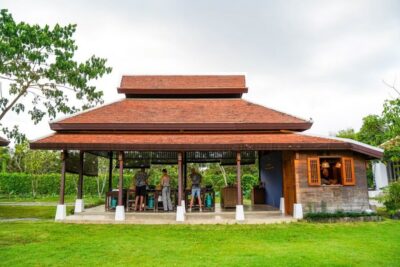
Authentic Cooking Class with Market & Farm Visit
Read our review →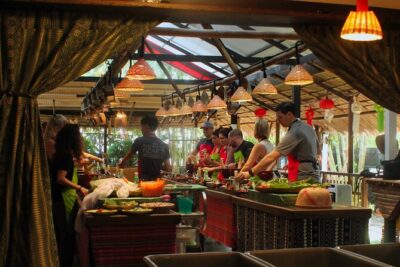
Browse the lists this tour appears in