
Reviewed · ETHICAL ELEPHANT SANCTUARY VISITS
Chiang Mai: Elephant Sanctuary & Thai Cooking Workshop
The most unusual part of this Chiang Mai day trip is the pairing: you cook lunch with a local chef, then spend the afternoon feeding elephants in their forest home. The day feels active without being a race from one attraction to the next. I especially like the garden-to-table cooking class and the clear focus on letting elephants choose what happens at the river.
I also like the small group, clean air-conditioned transport, and guides such as Pimdao and Som, who bring warmth and humor to the day. The main consideration is simple: river bathing is not guaranteed, since the elephants decide if they want to enter the water. Bring swimwear, a towel, and a change of clothes anyway.
In This Review
- Key points at a glance
- From Chiang Mai to Pon Elephant Thailand
- Choosing herbs in the organic garden
- Cooking Pad Thai, Khao Soi, and mango sticky rice
- Meeting the rescued elephants
- The river visit and bathing expectations
- Is the $63 price good value?
- How the day feels in practice
- Practical tips before you book
- Should you book this Chiang Mai day trip?
- FAQ
- How long does the experience last?
- How far is the sanctuary from Chiang Mai?
- What time does the morning session begin?
- What time does the afternoon session begin?
- Does the morning session include a market visit?
- Does the afternoon session include a market visit?
- Which Thai dishes can I learn to cook?
- Are vegetarian and vegan options available?
- Is elephant bathing guaranteed?
- Is hotel pickup included?
- What should I bring?
- Is the activity suitable for young children?
Key points at a glance
- Three dishes you choose yourself: Prepare Thai favorites such as Pad Thai, Pad See Ew, Khao Soi, Green Curry, Tom Yum Goong, or Mango Sticky Rice.
- Fresh ingredients from the sanctuary garden: Pick herbs and vegetables before learning the five basic Thai flavors: sweet, sour, salty, bitter, and spicy.
- Close elephant encounters without riding: Feed the elephants bananas, sugarcane, and Napier grass while learning about their behavior and care.
- A possible river bath: You may walk to the river and get splashed or bathe with the elephants, but nobody forces the animals into the water.
- A full nine-hour outing: Morning departures return around 5:00 PM, while afternoon departures finish around 9:00 PM.
- Small-group value: The group is limited to 10 people, and hotel pickup and drop-off in Chiang Mai town can be added.
From Chiang Mai to Pon Elephant Thailand
The sanctuary sits outside Chiang Mai Province, about 1 hour and 20 minutes from town by air-conditioned van. That drive is a real part of the day, so I would not book this tour if you want a quick two-hour animal visit. You are committing most of a day, but the long format gives the cooking class and elephant time room to breathe.
You can meet the guide at the Pon Elephant Thailand office in town 10 to 15 minutes before departure. If you select the pickup option, transport covers hotels in Chiang Mai town only. The van is air-conditioned, which matters in Thailand, and several accounts specifically praise the punctual, clean, comfortable transport.
The morning option begins between 7:30 and 8:00 AM and returns around 5:00 PM. It includes lunch and a market visit as well as the organic garden. The afternoon option begins between 12:30 and 1:00 PM and returns around 9:00 PM, with dinner included. It still visits the organic garden, but there is no market visit because the timing is later.
I prefer the morning schedule if you want the fullest food experience. A local market adds another layer of context to the ingredients, and you finish before the evening is too late. The afternoon schedule may suit you better if you prefer a slower morning or have a late arrival in Chiang Mai.
More elephant sanctuary visits in Chiang Mai:
- Chiang Mai: Elephant Sanctuary, Waterfall & Bamboo Rafting
★ 4.9 · 9,160 reviews - Chiang Mai: Elephant Sanctuary & Waterfall Group Tour
★ 4.9 · 5,780 reviews - Chiang Mai: Elephant Sanctuary Feeding Program Half-Day Tour
★ 4.8 · 4,527 reviews
Choosing herbs in the organic garden
The food portion begins with a walk through the organic vegetable garden inside the sanctuary. You collect fresh herbs and ingredients with your guide, then learn how Thai cooking builds flavor from a small set of contrasts.
The five basic tastes introduced here are sweet, sour, salty, bitter, and spicy. That lesson is more useful than simply following a recipe. You begin to understand why lime, chili, fish sauce, coconut milk, herbs, and sugar are balanced rather than added at random.
The activity description refers to preparing the core Thai ingredients, and the cooking choices can be adjusted to your preferences. Vegetarian and vegan options are available, so tell the guide what you need before cooking begins. All necessary ingredients are supplied, and you receive a recipe booklet to take home.
The garden setting is part of the appeal. Instead of cooking in a city classroom and then driving somewhere else for the animals, you prepare food within the same natural property. Mountain views and open air make lunch feel tied to the place, not just inserted into a standard cooking lesson.
Cooking Pad Thai, Khao Soi, and mango sticky rice
The class is hands-on, but you are not left to guess what to do. The local chef or culinary guide explains each ingredient and demonstrates the traditional methods before you prepare your own food.
You choose dishes from a selection that includes Pad Thai, Pad See Ew, Khao Soi, Tom Yum Goong, Green Curry, and Mango Sticky Rice. The exact combination depends on the available choices and your preferences. Some accounts describe preparing three dishes, usually a fried dish, a curry or soup, and a dessert.
That format works well because you get variety without turning the class into a long lecture. You can focus on practical steps such as seasoning, mixing, frying, and balancing heat. If you are new to Thai food, Pad Thai is an approachable choice. Khao Soi gives you a taste of northern Thailand, while Mango Sticky Rice is a friendly way to finish.
Some groups also try northern Thai snacks, including Chiang Mai sausage. These extras make the meal feel local rather than like a set of internationally familiar dishes. You eat what you prepare, and lunch or dinner is included depending on the departure time.
Pimdao receives especially strong praise for combining clear instructions with humor and patience. Som and Air are also named as warm, capable guides. The guide assignment can change, of course, but the important point is that your guide leads both the cooking and elephant portions, keeping the day connected.
The food is described as plentiful, clean, and delicious, but you should still keep expectations sensible. This is a participatory workshop, not a professional culinary course. You learn useful techniques and recipes, but the main reward is cooking a Thai meal in a mountain setting.
Meeting the rescued elephants
After eating, you receive a briefing about the elephants’ habitat, past, habits, and behavior. This part matters. Elephants are large, powerful animals, and a calm encounter depends on knowing how to approach them and when to step back.
You then feed them bananas, sugarcane, and Napier grass. Feeding creates close contact, but it also gives the elephants control over the pace. You may find that an elephant comes forward eagerly when food is available and turns away when it is not. That small detail is a useful reminder that you are sharing their space rather than directing a performance.
The sanctuary presents the elephants as rescued animals, including older elephants formerly used for riding. The experience does not include riding or staged shows. The care model described here focuses on feeding, observation, walking, and letting the elephants behave naturally.
You may see both older elephants and young animals. One account specifically describes elephants aged one and three years, though the animals present can change. Seeing different ages adds interest, but the real value is watching their individual behavior and the way caretakers manage the encounter.
The natural setting also helps. You are not meeting the elephants in a tight indoor enclosure. You walk around their forest environment and observe their daily routine. Still, this is an organized sanctuary visit, not a completely independent wildlife sighting. Caretakers and guides remain involved, and the animals are accustomed to human contact.
More Thai cooking classes in Chiang Mai:
- Half-Day Thai Cooking Class at Organic Farm in Chiang Mai
★ 5.0 · 19,087 reviews - Chiang Mai: Cooking Class, Market & Thai Herbs Garden Tour
★ 4.9 · 4,824 reviews - Chiang Mai: Authentic Cooking Class with Market & Farm Visit
★ 4.9 · 4,546 reviews - Thai and Akha Cooking Class in Chiang Mai
★ 5.0 · 4,358 reviews
The river visit and bathing expectations
The river portion is the most memorable possibility, but it needs a clear explanation. You may accompany the elephants to the river, watch them swim, bathe near them, or get splashed by an elephant. Some people describe being showered with water, while others emphasize feeding and observing.
The sanctuary says the elephants choose if they want to bathe. That is a meaningful welfare point, but it also means the advertised water activity can change at short notice. If an elephant does not enter the river, you should still expect time with the animals, not a forced substitute.
Bring beachwear or a swimsuit, flip-flops, a towel, and a full change of clothes. Towels and spare clothing are not included. Biodegradable sunscreen and biodegradable insect repellent are sensible choices for a day spent outdoors near water and vegetation.
You should also bring a camera, cash, and a passport or identification card. A copy of your passport is accepted. Keep your camera and phone secure around water, and do not count on every elephant encounter producing the same photo opportunity.
Is the $63 price good value?
At $63 per person, this is strong value for a nine-hour experience if you want both food and elephants. The price includes the English-speaking guide, transport during the activity, drinking water, lunch or dinner, insurance, elephant fruit, cooking ingredients, the organic garden visit, and the recipe booklet.
Hotel pickup and drop-off cost extra if you choose that option. I consider the add-on useful if you are staying in Chiang Mai town and want to avoid finding the office early in the morning. If you are nearby, meeting at the office may be the cheaper choice.
The value comes from the amount of guided time rather than from one headline attraction. You get a market visit on the morning schedule, an organic garden tour, a cooking class, a full meal, an elephant briefing, feeding, and the chance to visit the river. Similar days can become expensive once meals, transport, and activities are added separately.
There are a few trade-offs. The drive takes roughly 1 hour and 20 minutes each way, and the day is long. You also need to accept that the elephant schedule depends on the animals. If you want a short, guaranteed bathing session, this may frustrate you. If you value a slower encounter with room for feeding and observation, the flexible pace is a plus.
How the day feels in practice
The best reports describe a day that is organized but not rushed. That balance is important because cooking requires concentration, while elephant encounters are better when you have time to watch rather than simply take one photograph and move on.
Your guide handles the transitions between garden, kitchen, meal, elephant area, and river. Pimdao is repeatedly praised for her energy, English, humor, and attention to individual needs. Several people say she made the cooking lesson easy to follow and kept the group laughing without losing the practical information.
The small-group limit of 10 participants should make it easier to ask questions and receive help at the stove. It also gives you a better chance to spend meaningful time near the elephants than a large bus group would. Group size can vary by departure, so do not assume you will have a private class.
The day is suitable for people who want a mix of culture, food, nature, and animals. It is also a good choice if you are trying to avoid elephant rides and performances. Families with children should note that the experience is not suitable for children under five or people over 70.
You should be comfortable with a long day, outdoor conditions, walking around the sanctuary, and getting close to large animals. The information does not promise specific accessibility arrangements, so ask the operator directly if you have mobility or medical concerns.
Practical tips before you book
I would choose the morning departure if the market visit matters to you or if you want to be back in Chiang Mai around dinner time. Choose the afternoon session if you prefer a later start and do not mind returning around 9:00 PM.
Wear clothes that can handle food splashes, mud, and river water. Pack:
- A swimsuit or beachwear
- A towel and a complete change of clothes
- Flip-flops
- Sunscreen, preferably biodegradable
- Biodegradable insect repellent
- A camera or phone with enough battery
- Cash and identification
Tell the guide about vegetarian or vegan requirements before the cooking begins. The class can adjust dishes to your preferences, but it is best to make your needs clear early.
Do not assume the elephants will bathe on command. The respectful part of the experience is also the uncertain part. If you can enjoy feeding, watching, and learning even when the river plan changes, you are likely to appreciate the day more.
The booking terms are flexible: you can cancel up to 24 hours ahead for a full refund, and reserve now while paying later. The activity is conducted in English, and transport received a 96 percent perfect rating for its service.
Should you book this Chiang Mai day trip?
I would book it if you want one full day that combines a hands-on Thai meal with a no-riding elephant encounter. The garden, market option, northern Thai dishes, and recipe booklet give the cooking portion real substance, while the feeding and behavior briefing make the elephant visit more than a quick photo stop.
I would skip it if you dislike long van rides, want a private experience, or need a guaranteed river swim. The bathing depends on the elephants, and the nine-hour schedule leaves little room for another major Chiang Mai activity that day.
For most visitors, the $63 price is well judged. Add hotel pickup if convenience matters, choose the morning session for the market visit, and pack for water even though bathing is optional. If you are lucky enough to have Pimdao, Som, or Air as your guide, expect a lively day with plenty of clear instruction and personal attention.
FAQ
How long does the experience last?
The activity lasts nine hours. Morning departures return to Chiang Mai around 5:00 PM, while afternoon departures return around 9:00 PM.
How far is the sanctuary from Chiang Mai?
Pon Elephant Thailand is approximately 1 hour and 20 minutes from Chiang Mai by air-conditioned van.
What time does the morning session begin?
The morning session begins between 7:30 and 8:00 AM.
What time does the afternoon session begin?
The afternoon session begins between 12:30 and 1:00 PM.
Does the morning session include a market visit?
Yes. The morning option includes both a market visit and an organic farm tour.
Does the afternoon session include a market visit?
No. The afternoon session includes the organic farm tour, but there is no market visit because the activity takes place in the evening.
Which Thai dishes can I learn to cook?
Choices include Pad Thai, Pad See Ew, Khao Soi, Tom Yum Goong, Green Curry, and Mango Sticky Rice. The available choices can be adapted to your preferences.
Are vegetarian and vegan options available?
Yes. Vegetarian and vegan options are available.
Is elephant bathing guaranteed?
No. The elephants choose if they want to bathe in the river, so the water activities may change.
Is hotel pickup included?
Hotel pickup and drop-off are available if you select that option. Pickup applies to hotels in Chiang Mai town only. Otherwise, meet the guide at the Pon Elephant Thailand office 10 to 15 minutes before departure.
What should I bring?
Bring a change of clothes, a camera, sunscreen, biodegradable sunscreen, flip-flops, beachwear, cash, identification, and biodegradable insect repellent. Towels and a change of clothes are not included.
Is the activity suitable for young children?
The activity is not suitable for children under five years old.
More Workshops in Chiang Mai
- Chiang Mai: Cooking Class with Market and Pickup
★ 4.9 · 1,365 reviews - Chiang Mai: Cooking Class with Organic Farm at Mama Noi
★ 4.9 · 1,151 reviews - Chiang Mai: Evening Cooking Class and Local Market Visit
★ 4.9 · 648 reviews - Cooking Class with Organic Farm in Chiang Mai at Mama Noi
★ 5.0 · 502 reviews
Just added around Chiang Mai
- Chiang Rai Wonders: White, Blue & Red Temples and Hot Spring★ 5.0 · 3 reviews
- Chiang Rai White Temple Blue Temple and Hill Tribe Village Tour★ 3.5 · 3 reviews
- Private Chiang Mai City Tour including Wat Doi Suthep, Wat Suan Dok (SHA Plus)★ 5.0 · 3 reviews
- Workshop Making Herbal ball & herbal inhaler★ 4.3 · 3 reviews
- Chiang Mai Mae Ping River Cruise and Thai Farmer House Visit★ 4.0 · 3 reviews
- Phoenix Zipline Adventure Park – Chiang Mai Thrills★ 4.0 · 3 reviews
- Monk trails hike, Wat Phalat, Monk chanting, Wat Doi Suthep.★ 5.0 · 3 reviews
- Tok Sen Massage at Fah Lanna Spa in Chiang Mai★ 4.5 · 3 reviews
Ethical Elephant Sanctuary Visits, compared.

Elephant Sanctuary, Waterfall & Bamboo Rafting
Read our review →

Elephant Sanctuary Feeding Program Half-Day Tour
Read our review →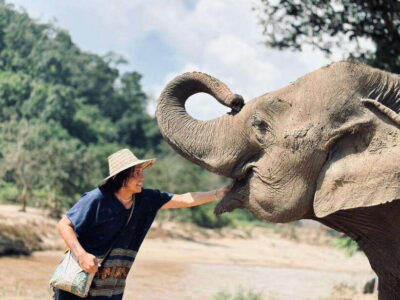
Elephant Sanctuary, Long Neck & Sticky Waterfall
Read our review →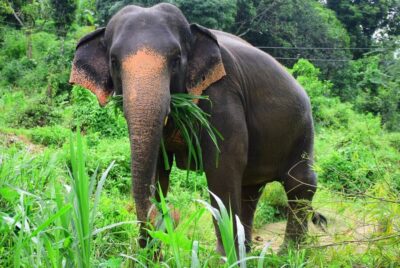

3-in-1: Doi Inthanon Tour, Elephant Sanctuary, and Trekking Trail
Read our review →
Chiang Mai Elephant Sanctuary, Bamboo Rafting and Waterfall Tour
Read our review →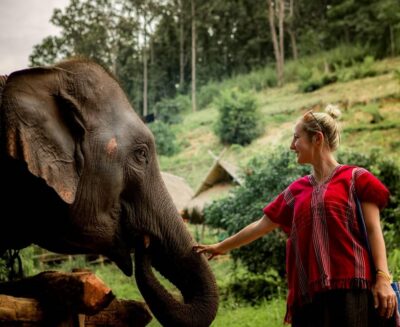
Browse the lists this tour appears in