
Reviewed · ETHICAL ELEPHANT SANCTUARY VISITS
Rantong elephant sanctuary Chiangmai
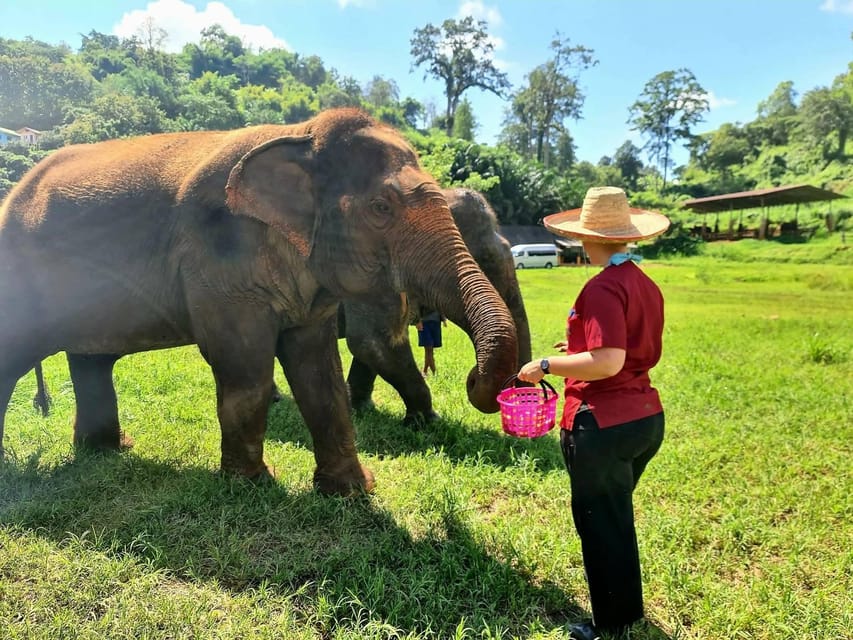
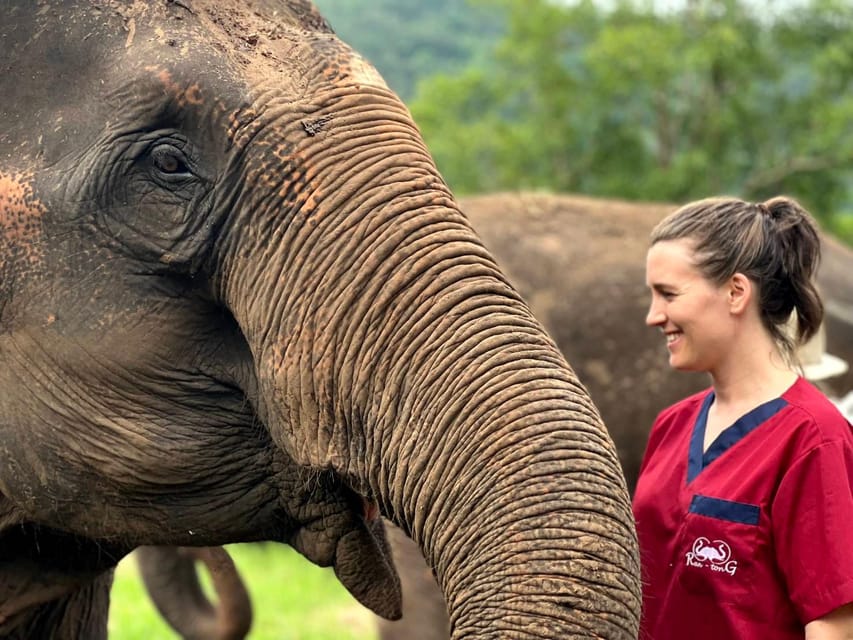
At Rantong Elephant Sanctuary, the main event is simple and memorable: you walk among rescued elephants, feed them by hand, and help wash them. You are close to the animals, but you do not ride them. The contact feels personal, especially when young elephants are nearby and the herd moves freely around the camp.
I like two things right away. First, the four-hour visit gives you time for more than a quick photograph. Second, transport, elephant food, water, changing clothes, insurance, and a Thai meal are included, so the $57 price covers much more than admission. The main consideration is ethical: washing and close interaction may not suit anyone seeking a strictly observation-only sanctuary.
In This Review
- Key points to know before you book
- Meeting rescued elephants outside Chiang Mai
- Hand-feeding brings you close
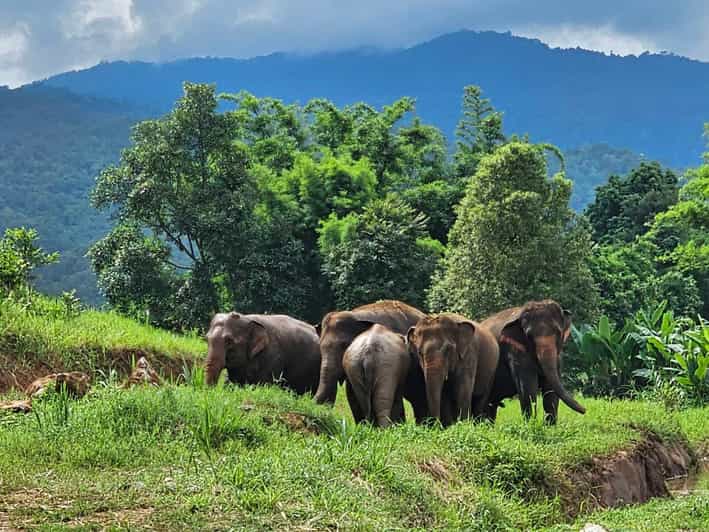
- Walking among the herd
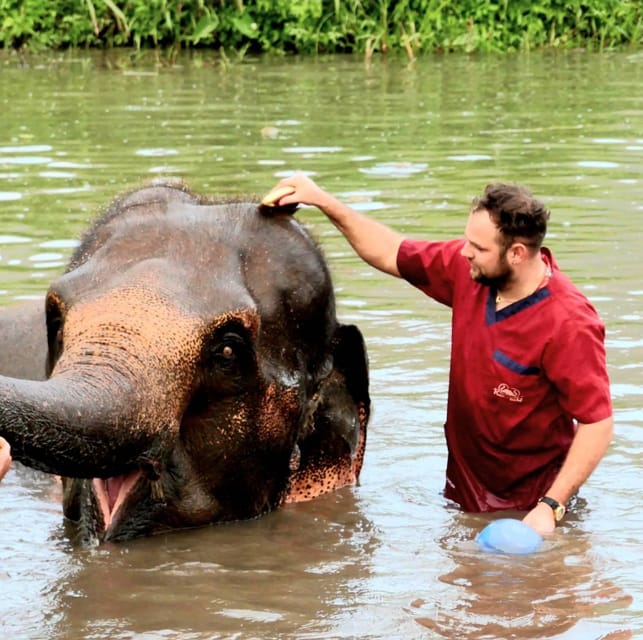
- Washing the elephants: memorable but worth thinking about
- Coffee, tea, food, and a short half-day schedule
- What the $57 price really covers
- Getting there and choosing the right session
- Who will enjoy Rantong most
- Small practical tips for a smoother visit
- Should you book Rantong Elephant Sanctuary?
- FAQ
- How long does the Rantong Elephant Sanctuary experience last?
- Where does pickup take place?
- Is elephant riding included?
- Is food included?
- Which languages are available for the guide?
- Is the activity wheelchair accessible?
Key points to know before you book
- Walk, feed, and wash elephants: The visit centers on direct contact rather than watching from a distant platform.
- Rescued animals are the focus: Rantong says it cares for elephants that have been abused, injured, or maltreated.
- No horseback riding: You will not be asked to ride an elephant.
- Four hours from Chiang Mai: Pickup is available within 3 kilometers of the Old City.
- A meal is included: Morning visits include lunch, while afternoon visits include dinner.
- Bring an open mind about animal care: The hands-on bathing raises different ethical questions for different people.
Meeting rescued elephants outside Chiang Mai
Rantong presents its work as a rescue effort for elephants that have suffered abuse, injury, or neglect. That background matters because the visit is not just a wildlife photo stop. The money paid by visitors helps keep the camp running and supports the animals in its care.
You begin with hotel pickup in or near Chiang Mai’s Old City. The free pickup area covers accommodation within 3 kilometers of the Old City, which is useful if you are staying in the central historic area. The drive also gives you a look at everyday Chiang Mai beyond the old walls, though the exact route and travel time are not specified.
Once at the camp, an English or Chinese-speaking guide introduces you to the program. No special training is needed. You need comfortable clothes, patience, and a willingness to follow directions around very large animals.
The guides are described as highly experienced, which is important here. Elephants are powerful even when they are calm and gentle. Your guide helps you understand how to approach them and how to feel at ease nearby. Specific guide names are not provided, so you should not expect to request a particular leader.
More elephant sanctuary visits in Chiang Mai:
- Chiang Mai: Elephant Sanctuary, Waterfall & Bamboo Rafting
★ 4.9 · 9,160 reviews - Chiang Mai: Elephant Sanctuary & Waterfall Group Tour
★ 4.9 · 5,780 reviews - Chiang Mai: Elephant Sanctuary Feeding Program Half-Day Tour
★ 4.8 · 4,527 reviews
Hand-feeding brings you close
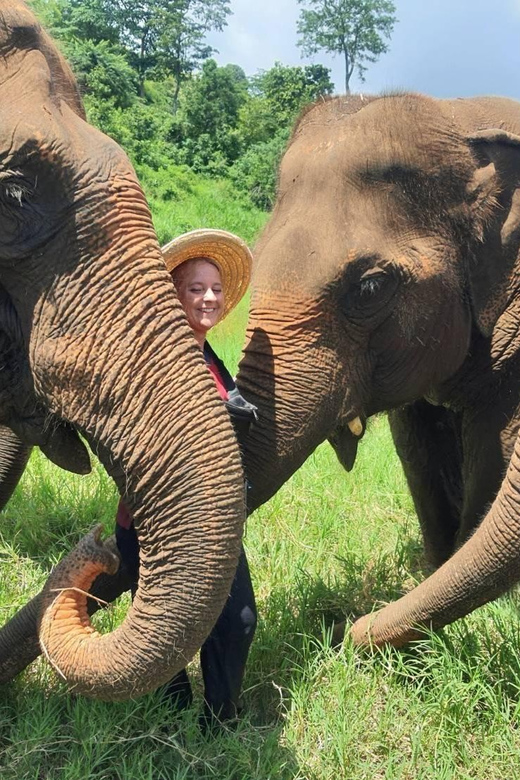
Feeding is usually the easiest way to begin. You receive food for the elephants and offer it by hand while learning how they respond. This creates a direct connection without asking you to perform a difficult task.
You will quickly notice the contrast between size and behavior. The elephants can show great strength, yet the program also emphasizes their gentle and intelligent nature. Their trunks do the careful work, reaching for food with far more control than their size might suggest.
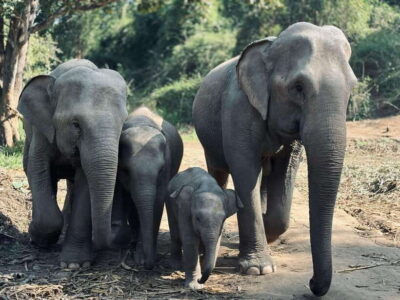
The presence of baby elephants can make this part especially appealing. A recent visit included several young elephants, adding a lively and endearing element to the experience. Still, you should keep your attention on the guide rather than rushing toward a baby. Young animals are still part of a herd, and close access should always be managed by the camp staff.
The setting is another important part of the visit. Rantong describes the rescued elephants as living freely around the camp. That is different from seeing an elephant tied in a fixed position for a photograph. Even so, free around the camp does not tell you every detail about the animals’ daily care, enclosure arrangements, or medical support. If those standards matter greatly to you, ask direct questions before booking.
Walking among the herd
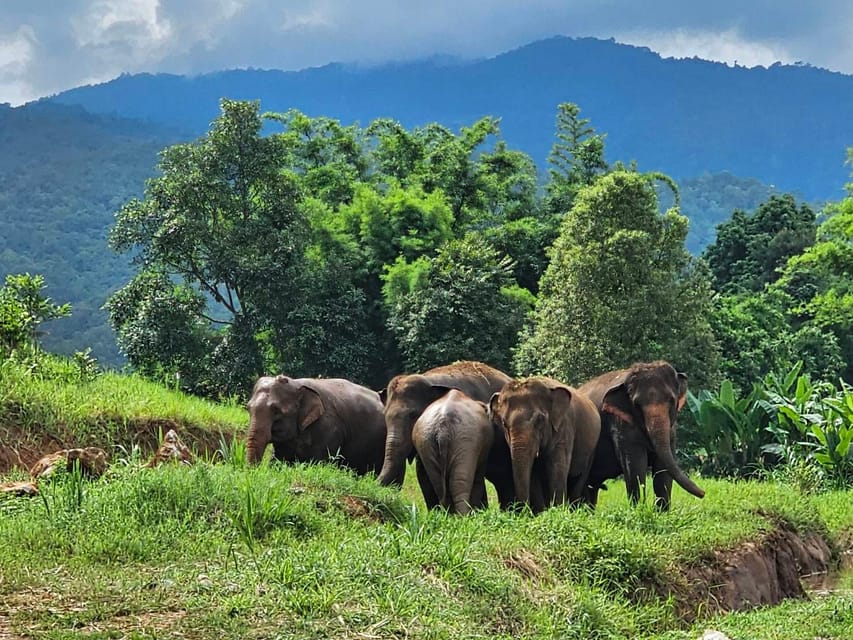
The walking portion gives you a chance to see the elephants as animals rather than as a series of staged tricks. You may move among them while they walk, feed, and respond to the people around them. The pace should suit visitors who prefer a calm, guided activity over a physically demanding excursion.
I like this part because it lets you watch body language. The guide can point out how the elephants communicate and how to stand near them safely. Their intelligence becomes easier to appreciate when you see them choosing where to move and how to interact.
The experience is not designed for guests who want total distance from wildlife. You are expected to get close. That makes it exciting, but it also means you should respect instructions about where to stand, when to touch, and when to step away.
This is a good match for families, couples, solo visitors, and anyone who wants a gentle introduction to elephant care. The program states that wheelchair access is available, although the details of paths, changing areas, and bathing access are not given. If you use a wheelchair, confirm those practical points before paying.
Washing the elephants: memorable but worth thinking about
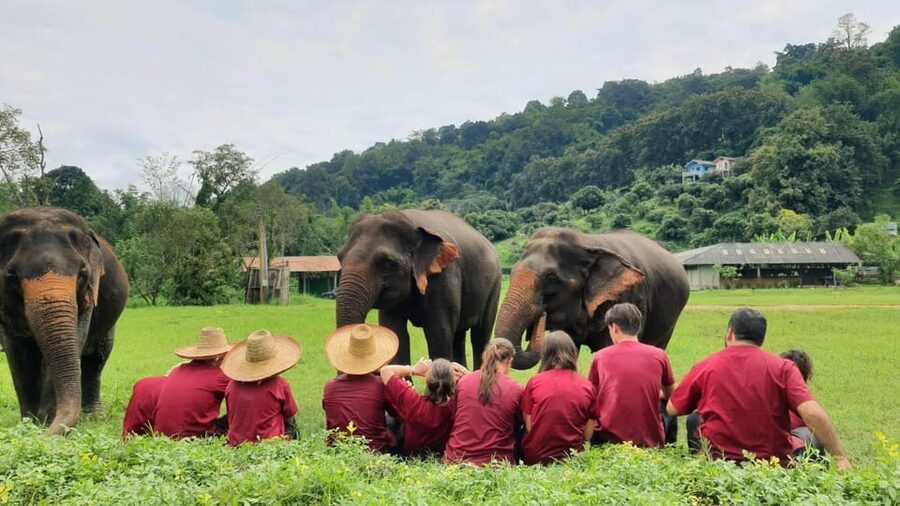
Bathing is one of the most popular parts of the program. You may help wash the elephants and spend time near them in the water. The activity gives you another way to interact, and it can be one of the most memorable moments of the day.
The camp provides changing clothes, drinking water, towels, and shower gel according to the visitor information. That is a useful touch. You do not have to finish a wet activity and then sit through the ride back in the same clothes.
The bathing session also deserves an honest ethical note. Some people see it as a caring, hands-on activity that helps visitors connect with rescued animals. Others question whether elephants should be washed for the benefit of tourists at all. One visitor specifically felt uneasy about parts of the program presented as ethical sanctuary work.
I would treat this as a personal decision rather than a simple approval or rejection. If you want to observe elephants without touching, feeding, or bathing them, this is probably not your ideal visit. If you accept guided contact and want to understand the camp’s approach firsthand, ask how bathing is scheduled, how much choice the elephants have, and what care continues outside visitor hours.
Same city, a completely different sort of day:
- Half-Day Thai Cooking Class at Organic Farm in Chiang Mai
★ 5.0 · 19,087 reviews - Chiang Mai: Doi Inthanon National Park Eco-Friendly Tour
★ 4.6 · 6,667 reviews - Chiang Mai: Chiang Rai Temples, Karen Tribe and Hot Springs
★ 4.7 · 5,401 reviews - Chiang Mai: Cooking Class, Market & Thai Herbs Garden Tour
★ 4.9 · 4,824 reviews
Coffee, tea, food, and a short half-day schedule
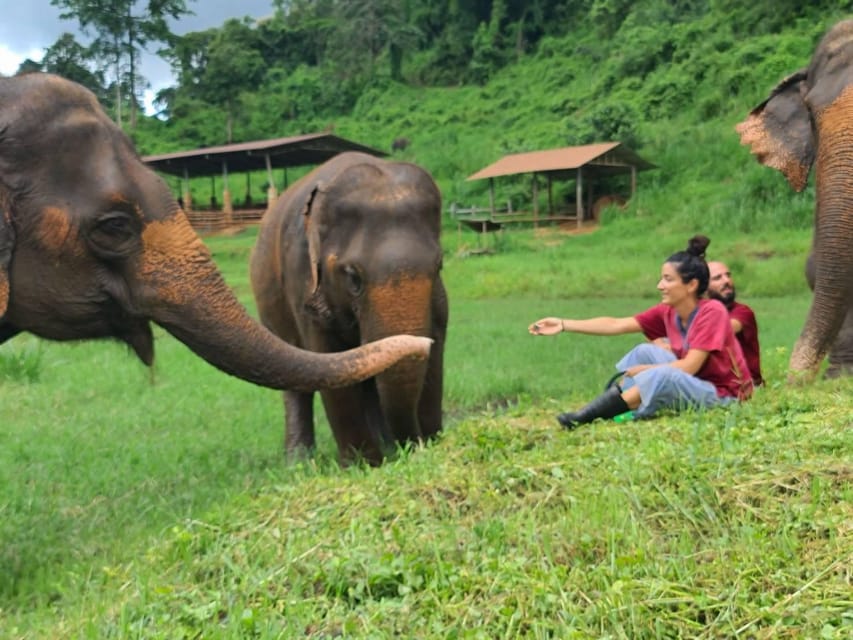
The four-hour program includes coffee, tea, a guided visit, walking, camp activities, and a meal. The morning option includes lunch. The afternoon option includes dinner. Since the information describes the meals differently by time of day, check the available starting time and confirm exactly what is served when you reserve.
The meal helps the program feel like a complete half-day outing rather than a short animal encounter. Traditional Thai food is included, which gives you one more local element without requiring a separate restaurant stop. The menu is not specified, so anyone with dietary restrictions should ask ahead of time.
Water is provided throughout the activity. That matters in Chiang Mai’s warm climate, especially when you are walking outdoors and changing into wet clothes. Still, the available information does not state how much time is spent outside or whether the whole site is shaded. Bring sensible sun protection and footwear suitable for walking, but avoid assuming that every part of the camp has the same surface or facilities.
Because the schedule is only four hours, the day should feel manageable. You get the main activities without committing to a full-day excursion. On the other hand, the short format may feel rushed if you want a long lesson about elephant welfare, detailed medical histories, or extended time watching the herd.
What the $57 price really covers
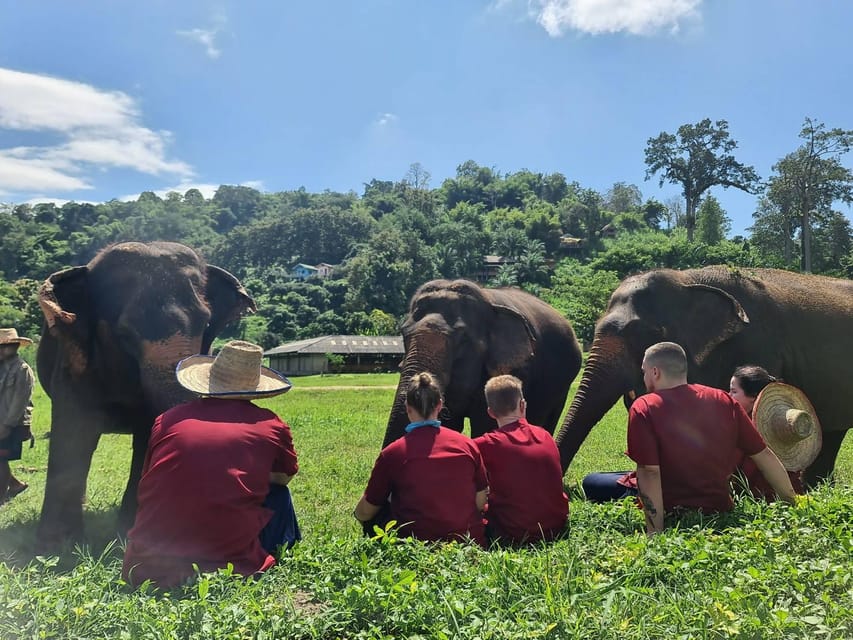
At $57 per person, this is not the cheapest way to see elephants in Chiang Mai. But price comparisons can be misleading if one tour includes only transport and entry while another includes a meal, clothing, elephant food, and guided contact.
Here, the fee covers:
- Transportation from qualifying accommodation
- Insurance
- A morning lunch or afternoon dinner
- Drinking water
- Clothes to change into during the activity
- Food for feeding the elephants
- Guided camp activities
- The four-hour visit
That package makes the cost reasonable for someone who values convenience. You do not need to arrange a separate taxi, buy feeding food, find a meal afterward, or pack a spare outfit for the bathing session.
The value depends most on your view of direct contact. If you mainly want to see elephants from a distance, you may be paying for activities you would rather skip. If feeding and washing are the reason you are interested, the included extras reduce the number of small costs that can add up during a day out.
The program also offers free cancellation up to 24 hours before the activity and lets you reserve without paying immediately. Those terms give you some flexibility, though you should still check the final booking conditions at the time you reserve.
Getting there and choosing the right session
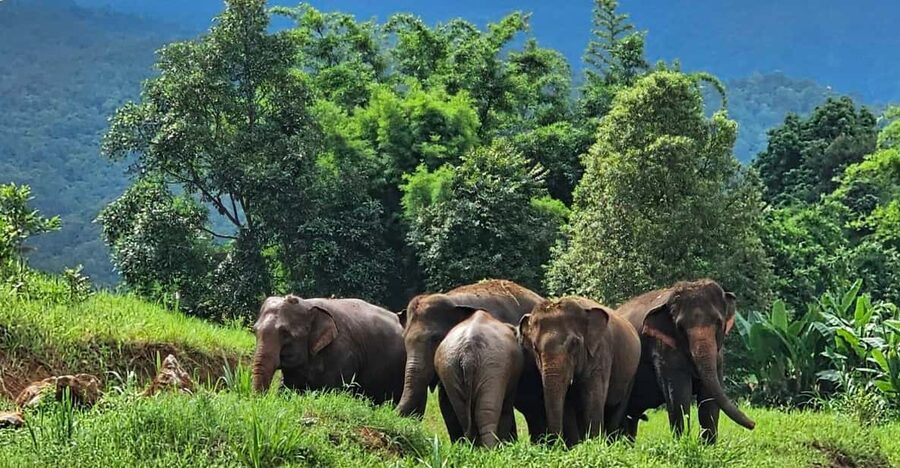
Pickup is included from hotels or accommodation within 3 kilometers of Chiang Mai’s Old City. If you are staying farther away, the free pickup promise may not apply, so confirm your address before booking.
The transport itself is part of the experience. The program describes the ride as a chance to see local Chiang Mai culture on the way to the camp. Exact vehicle details, group size, and driving time are not provided, so I would not book this expecting a private transfer or a small, intimate group unless that is confirmed directly.
You can choose between morning and afternoon departures when available. The meal changes with the session: lunch in the morning and dinner in the afternoon. Check the start times carefully, especially if you have temple visits, cooking classes, or evening plans arranged for the same day.
The tour lasts four hours, including the camp visit and activities. That makes it easy to fit into a Chiang Mai itinerary. You return to the Old City after the program, so you can plan a relaxed evening after the afternoon option or continue sightseeing after the morning option.
Who will enjoy Rantong most
I would choose this outing if you want close contact with elephants and prefer a short, organized program. It suits people who value practical inclusions and do not want to negotiate transport or arrange food separately.
It is also a strong choice for anyone who wants to avoid elephant riding. The program clearly states that no horseback riding takes place. You can spend time walking, feeding, and washing instead.
Families may appreciate the simple structure, provided children can follow safety instructions and remain calm near large animals. Couples and solo visitors should find plenty to do because the day combines transport, a guided visit, hands-on activities, and a meal.
I would think twice if your main goal is strict animal observation. The program is built around human participation. Feeding and bathing are central, not optional details mentioned in passing.
I would also ask more questions if ethical standards are your deciding factor. The rescue mission is meaningful, but the available information does not explain the camp’s full welfare policy, veterinary arrangements, breeding policy, working hours, or visitor limits. Those are fair questions for any elephant facility.
Small practical tips for a smoother visit
Wear clothes that can get wet and muddy, even though changing clothes are provided. Use footwear that you can walk in comfortably and that you do not mind taking into a bathing area.
Keep your phone secure around water and large animals. A waterproof pouch is useful, but do not let photography distract you from the guide’s directions.
Bring patience. The elephants set the pace, and the best moments may come when you stop trying to force an interaction. Let the guide decide how close you should stand.
If you have food allergies, mobility needs, or questions about the bathing session, ask before booking. English and Chinese guiding are available, and wheelchair access is listed, but the practical details of meals, surfaces, and changing facilities are not described.
Should you book Rantong Elephant Sanctuary?
Book this tour if you want a convenient four-hour outing with rescued elephants, hand-feeding, walking, and bathing, and you are comfortable with guided animal contact. The included transport, meal, water, changing clothes, insurance, and elephant food make $57 a fair package price.
Skip it if you want an observation-only sanctuary or feel strongly that tourists should not bathe elephants. Rantong offers an emotional, hands-on experience, but that hands-on approach is also the point you should examine most carefully. For the right visitor, it can be a warm and memorable Chiang Mai day. Just go in with an open mind, ask sensible welfare questions, and follow the guide closely.
FAQ
How long does the Rantong Elephant Sanctuary experience last?
The activity lasts four hours, including transportation, the guided camp visit, walking, feeding, bathing, and other camp activities.
Where does pickup take place?
Pickup is available from your hotel or accommodation within 3 kilometers of Chiang Mai Old City. The return is to the Old City area.
Is elephant riding included?
No. The experience does not include horseback riding or elephant riding. The activities focus on walking among the elephants, feeding them, and washing them.
Is food included?
Yes. The morning half-day program includes lunch, while the afternoon half-day program includes dinner. Traditional Thai food is described as part of the experience.
Which languages are available for the guide?
Live guiding is available in English and Chinese.
Is the activity wheelchair accessible?
Yes, the activity is listed as wheelchair accessible. The available information does not provide detailed specifications for paths, changing areas, or access to the bathing activity, so confirm those details before booking.
Just added around Chiang Mai
- Chiang Rai Wonders: White, Blue & Red Temples and Hot Spring★ 5.0 · 3 reviews
- Chiang Rai White Temple Blue Temple and Hill Tribe Village Tour★ 3.5 · 3 reviews
- Private Chiang Mai City Tour including Wat Doi Suthep, Wat Suan Dok (SHA Plus)★ 5.0 · 3 reviews
- Workshop Making Herbal ball & herbal inhaler★ 4.3 · 3 reviews
- Chiang Mai Mae Ping River Cruise and Thai Farmer House Visit★ 4.0 · 3 reviews
- Phoenix Zipline Adventure Park – Chiang Mai Thrills★ 4.0 · 3 reviews
- Monk trails hike, Wat Phalat, Monk chanting, Wat Doi Suthep.★ 5.0 · 3 reviews
- Tok Sen Massage at Fah Lanna Spa in Chiang Mai★ 4.5 · 3 reviews
Ethical Elephant Sanctuary Visits, compared.
Elephant Sanctuary, Waterfall & Bamboo Rafting
Read our review →
Elephant Sanctuary Feeding Program Half-Day Tour
Read our review →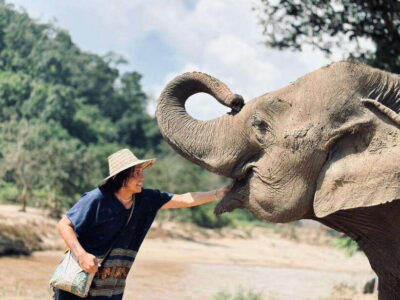
Elephant Sanctuary, Long Neck & Sticky Waterfall
Read our review →

3-in-1: Doi Inthanon Tour, Elephant Sanctuary, and Trekking Trail
Read our review →
Chiang Mai Elephant Sanctuary, Bamboo Rafting and Waterfall Tour
Read our review →
Browse the lists this tour appears in