
Reviewed · CITY TOURS
Guided Chiang Mai City Night Tour by EV Tram
Chiang Mai makes a different first impression after sunset. This quiet EV tram tour rolls through the old city at an easy pace, linking temples, gates, markets, and local neighborhoods without the noise of a standard vehicle. You get a useful introduction to the city rather than a frantic photo stop at every sight.
I like the small maximum group of 12 and the way the route mixes major temples with everyday places such as Warorot Market. I also like that the guide explains Lanna, Burmese-Shan, and Tai Yai influences instead of treating Chiang Mai as a row of pretty buildings. The main drawback is time: two hours is enough for an overview, but not enough for long temple visits or a full market meal.
- Electric tram travel: A quieter, lower-impact way to move around Chiang Mai after dark.
- Three Kings Monument start: Begin with the city’s founding story before boarding the tram.
- Temple variety: See Lanna, Burmese-Shan, and Tai Yai traditions in one short route.
- Local food stop: Sample snacks and drinks at Chiang Mai Gate Night Market.
- Small group format: The tour accepts no more than 12 people.
- Simple evening schedule: Meet at 6pm and return to the same meeting point after about two hours.
In This Review
- Why an EV tram is a smart way to see Chiang Mai at night
- Three Kings Monument sets the story in motion
- Wat Chiang Man shows early Lanna style
- Wat Lok Molee brings a different architectural mood
- Chang Puek Gate connects temples with street food
- Wat Pa Pao and Wat Nong Kham reveal Tai Yai and Shan roots
- Warorot Market shows the city at work
- Chiang Mai Gate Night Market is the food highlight
- Wat Chedi Luang closes the loop
- What the $27.43 price really covers
- Who will get the most from this evening tour
- Practical details before you reserve
- Should you book the Chiang Mai EV tram tour?
- FAQ
- Where does the Chiang Mai EV tram tour start?
- What time does the tour begin?
- How long does the tour last?
- Where does the tour finish?
- Is hotel pickup included?
- What is included in the price?
- Can I cancel for a full refund?
Why an EV tram is a smart way to see Chiang Mai at night
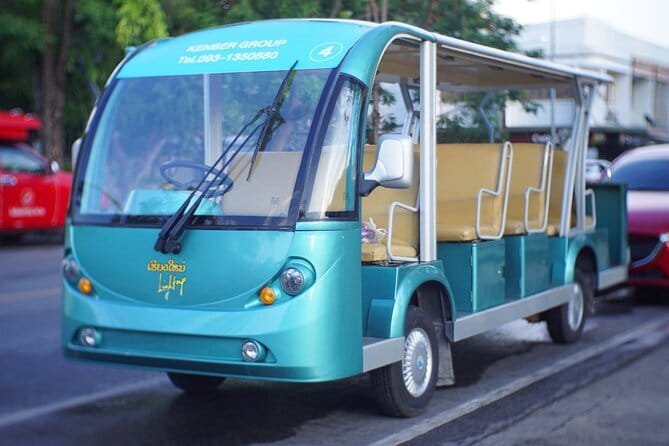
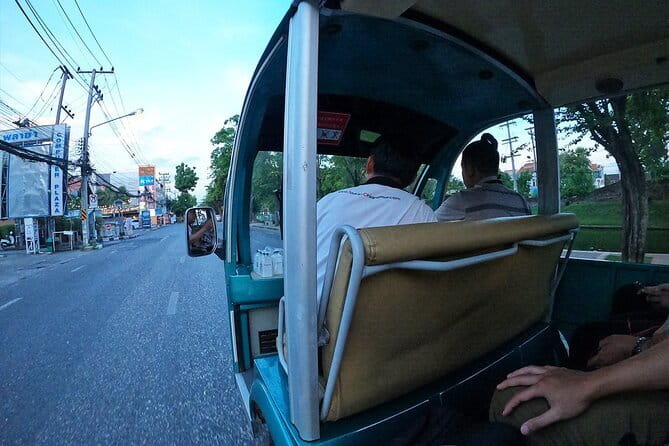
An electric tram suits Chiang Mai’s old city well. You can move between sites without the hum and fumes of a conventional sightseeing vehicle, and the slower pace leaves room to look at shopfronts, walls, gates, and passing streets. This is not a tour built around racing from one famous temple to the next.
The route is also useful for orientation. Chiang Mai’s old city can seem simple on a map, but the gates, markets, temple quarters, and roads make more sense once you see how they connect. By the end, you should have a better idea of where to return during your own time.
The tour lasts about two hours, though the supplied feedback describes a visit lasting closer to two and a half hours. I would allow a little flexibility in your evening plans. The route includes several short stops, and the food portion may take longer if the group is moving at a relaxed pace.
The guide speaks English and provides the historical and cultural explanation. No guide name is provided, so you cannot request a particular person in advance. The group limit of 12 is helpful here: temple explanations and market guidance should be easier to follow than on a large coach tour.
Three Kings Monument sets the story in motion
Meet at Three Kings Monument at 6pm on Prapokklao Road. This is a practical starting place because it sits in the heart of the old city and gives the guide room to explain Chiang Mai’s beginnings before the tram departs.
You also walk briefly to Wat Inthakin Sadeu Muang. The temple is linked with the Inthakin city pillar, said to have been erected in 1296 by King Mangrai. That short walk adds useful context. Chiang Mai is not simply a collection of temples built for decoration. Its religious sites are tied to the city’s protection, founding, and political life.
The stop is scheduled for about 15 minutes and admission is free. Do not expect a long visit or a detailed architectural study here. Think of it as the opening chapter, giving you names and ideas that make later stops easier to understand.
A few more Chiang Mai half-days to weigh up
- Chiang Mai: Doi Suthep and Wat Umong Enchanting Evening Tour
★ 4.6 · 1,811 reviews - Small-Group Chiang Mai Evening Street Food Tour
★ 4.5 · 826 reviews - Chiang Mai: Evening Cooking Class and Local Market Visit
★ 4.9 · 648 reviews
Wat Chiang Man shows early Lanna style
The tram then takes you to Wat Chiang Man, described as Chiang Mai’s oldest temple. The stop is brief, about five minutes, so you will mainly see the exterior and hear the guide’s explanation rather than spend time examining every detail.
Its chedi is especially notable for the rows of elephant-shaped buttresses supporting it. That design gives the building a strong, memorable outline and reflects the visual language of northern Thailand. If you enjoy temple architecture, make a point of listening closely here, since the schedule leaves little time for wandering.
This is one of the tour’s trade-offs. The route includes many sites, but some visits are introductions rather than full explorations. You get breadth across Chiang Mai’s religious traditions, not an extended look at each temple.
Wat Lok Molee brings a different architectural mood
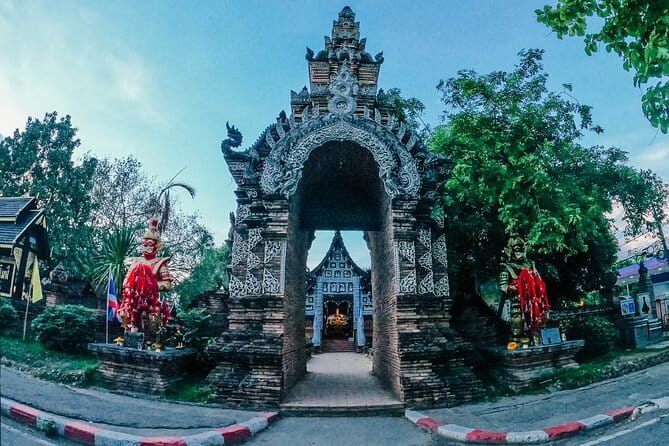
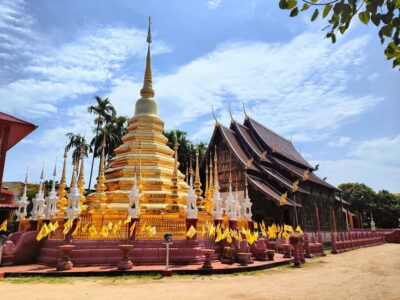
Wat Lok Molee receives about 20 minutes, making it one of the longer temple stops. It is outside the old city walls and is known for its wooden complex and terracotta sculptures. The temple is thought to date to the 14th century and has connections with monks from Burma.
That Burmese link matters. Chiang Mai’s religious art did not develop in isolation, and this stop helps you see how northern Thailand absorbed ideas from neighboring regions. The wooden buildings and terracotta details also make a pleasant change from the more familiar stucco and gilded temple surfaces.
I would use this stop for photographs and for a close look at the smaller decorative pieces. Evening light can make temple details harder to see, but the calm setting and warm colors should suit night photography. The supplied feedback specifically praises the peaceful atmosphere and the photographs at night, which is a good reason to bring a phone or camera with low-light ability.
Chang Puek Gate connects temples with street food
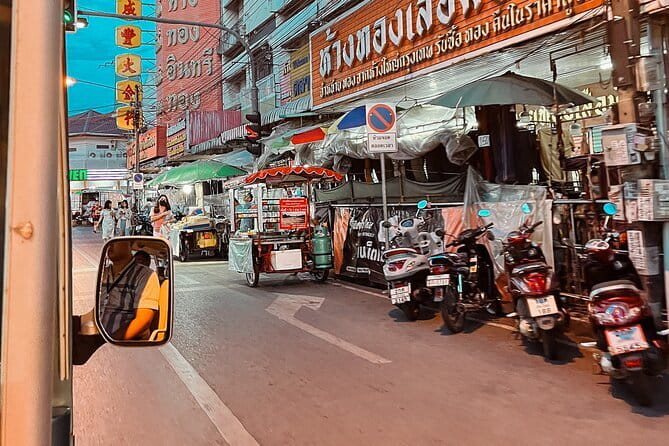
The tram passes Chang Puek Gate, the northern entrance to the old city. You see sections of the old wall and the remains of the gate area, then move toward one of the city’s popular night food zones.
This part of the route is valuable because it shifts from formal religious sites to ordinary evening life. The gates are not just historic markers. They remain useful reference points, and the market activity around them shows how old-city spaces continue to serve local residents and visitors.
The schedule does not list a separate admission time here, so treat Chang Puek Gate as a passing and orientation stop rather than a formal temple visit. If you are hoping to eat a full dinner at this point, remember that the tour’s main food stop comes later at Chiang Mai Gate Night Market.
Same city, a completely different sort of day:
- Half-Day Thai Cooking Class at Organic Farm in Chiang Mai
★ 5.0 · 19,087 reviews - Chiang Mai: Elephant Sanctuary, Waterfall & Bamboo Rafting
★ 4.9 · 9,160 reviews - Chiang Mai: Doi Inthanon National Park Eco-Friendly Tour
★ 4.6 · 6,667 reviews - Chiang Mai: Elephant Sanctuary & Waterfall Group Tour
★ 4.9 · 5,780 reviews
Wat Pa Pao and Wat Nong Kham reveal Tai Yai and Shan roots
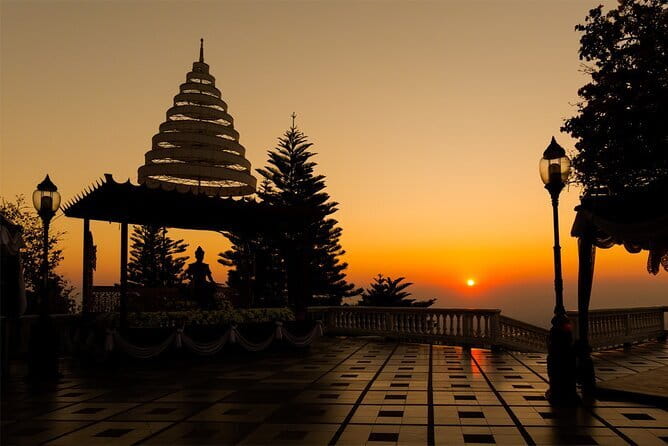
Wat Pa Pao is described as Chiang Mai’s first temple of the Ngiaw, or Tai Yai, community. The visit lasts about 15 minutes. This is an important inclusion because it adds a cultural layer that many short city tours leave out.
The Tai Yai, also called Shan, have their own traditions and links across northern Thailand and Myanmar. Here, the guide can help you see Chiang Mai as a meeting point of cultures, not only as a Lanna capital. You will have enough time for a look around and a short explanation, but not a full study of the temple grounds.
The route also includes Wat Nong Kham, noted for its Burmese-Shan temple style. The information provided does not assign a fixed duration to this stop, so the length may depend on traffic and the group’s pace. That uncertainty is worth noting if you prefer a tightly timed tour.
Together, Wat Pa Pao and Wat Nong Kham give the evening its strongest cultural value. You see architectural differences and hear about communities that helped shape Chiang Mai’s identity. This is more rewarding than visiting only the city’s most famous temples.
Warorot Market shows the city at work
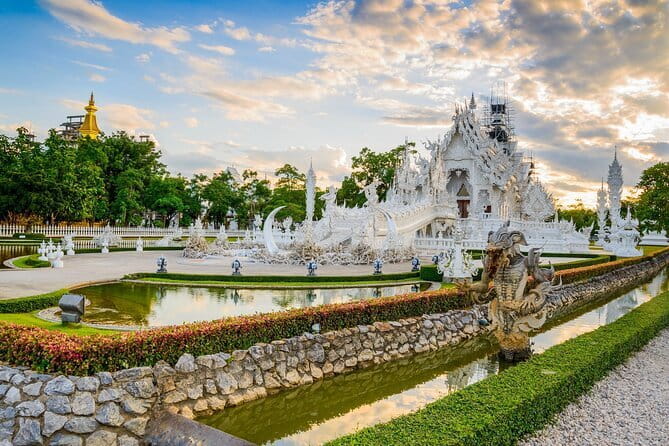
Warorot Market is Chiang Mai’s largest local fresh market, with food and other goods sold to local people. The route gives you a chance to walk through the market and see a side of the city that a temple-only tour misses.
I would approach this stop with curiosity rather than a shopping list. You might find fresh produce, local products, and everyday goods, but the supplied details do not promise specific tastings or purchases here. The market is included for its local character and for the chance to watch daily commerce close up.
The market can also feel less polished than a purpose-built sightseeing stop. That is part of its value, but it means you should expect real market conditions, including crowds, narrow paths, and strong food smells. Keep personal belongings secure and stay aware of the guide’s meeting instructions.
Chiang Mai Gate Night Market is the food highlight
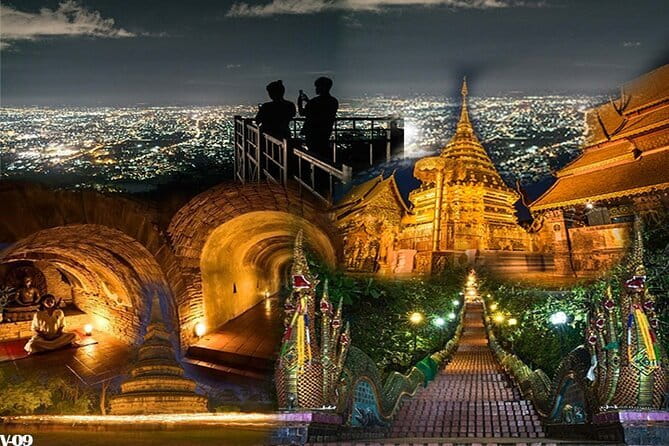
At Chiang Mai Gate Night Market, you spend about 25 minutes with a local foodie. Some snacks and drinks are included, along with bottled water, while extra food and drinks cost more. Alcohol is not included.
This is a tasting stop, not a full restaurant meal. You can sample the street-food setting and get help understanding what you are seeing, but you should not book this tour as your only dinner plan if you usually eat a large evening meal.
The 25-minute slot moves quickly. I would arrive ready to try small portions and ask the guide what is included before buying anything extra. The market is also a good place to note dishes and stalls you may want to revisit later on your own.
The food element gives the tour a useful human touch. Temples explain beliefs and history, while the market shows how people eat and spend time after work. That contrast helps the city feel like a living place rather than an open-air museum.
Wat Chedi Luang closes the loop
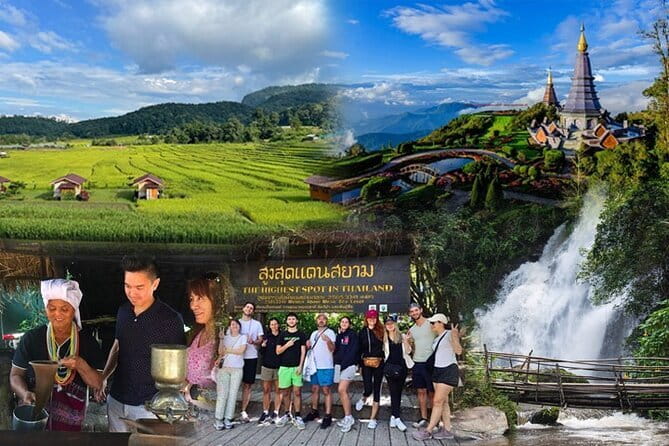
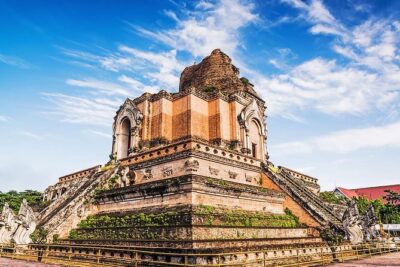
Wat Chedi Luang receives about 10 minutes and is one of the route’s major visual stops. Its large chedi, or stupa, is the reason many people recognize the temple. The complex also housed the city pillar and Buddhist scriptures, adding political and religious importance to its architecture.
Ten minutes is enough for an outside view and a clear explanation, but you should not expect to inspect the entire compound. Admission is included here, as it is at the other specified paid stop. The tour information also lists Wat Phra Singh, known for its northern-style chapel architecture, though no separate duration is given.
The evening ends back at the Three Kings Monument meeting point. That return makes the tour easy to fit into a first night in Chiang Mai. You can continue to dinner, return to your hotel, or use your new sense of direction to plan the next day.
What the $27.43 price really covers
At $27.43 per person, the price is reasonable if you value transport, a guide, temple admissions, and a short food introduction in one package. You receive the EV tram, an English-speaking guide, listed admission fees, snacks and drinks during the food stop, bottled water, and travel accident insurance.
The value is strongest for a first evening. You are paying for interpretation and route planning as much as for transport. If you already know Chiang Mai well and prefer to choose your own temples and food stalls, the price may feel less attractive.
Pickup and drop-off are not included. Optional service within 5 kilometers of the city center costs THB 500 per way per group, not per person. The meeting point at Three Kings Monument is therefore the better value if you can reach it easily.
Group discounts are available, though the amount is not specified. A minimum of two adults is required per booking, and a child rate applies only when the child shares with two paying adults. Most people can participate, but the stated dress code is smart casual. For temple visits, modest clothing is the sensible choice.
Who will get the most from this evening tour
I would recommend this tour to you if you are visiting Chiang Mai for the first time and want a clear introduction without spending an entire day on your feet. The tram reduces walking between sites, while the short walks still let you approach the temples and markets properly.
It also suits you if you care about quieter, lower-impact transport and want more than a list of famous buildings. The route includes less familiar cultural references, especially at Wat Pa Pao and Wat Nong Kham.
Families may appreciate the short duration, included water, and varied stops, but remember that the child rate has specific conditions. Food-focused visitors should see the night market as a tasting sample, not a complete culinary tour.
You may want a different option if you want long temple visits, extensive photography time, or a large meal. Several stops last only five to 15 minutes, and the route covers a lot of ground in a compact window.
Practical details before you reserve
You receive confirmation at booking, and free cancellation is available until 24 hours before the 6pm start. Cancellations or changes made inside that window are not accepted for a refund, with cut-off times based on Chiang Mai local time.
Plan to arrive at Three Kings Monument before 6pm rather than cutting it close. The activity returns to the same meeting point, and the maximum group size is 12 people.
Wear smart casual clothing suitable for temple visits. Bring a phone or camera if night photography interests you, and carry some money for extra food, drinks, souvenirs, and personal purchases. Bottled water is provided, but additional drinks are not part of the base price.
The overall rating is 4.9 from eight ratings, while the supplied written feedback gives four out of five and praises the calm night setting, attractive photographs, clear explanations of each place, and how quickly the two to two-and-a-half hours pass. That last point is a useful warning: the tour is relaxed, but the schedule is full.
Should you book the Chiang Mai EV tram tour?
Book it if you want orientation, cultural explanation, and a taste of local evening life in one manageable outing. The best features are the quiet electric tram, the small group, the range of temple traditions, and the stop at a real local market rather than a purely tourist-focused attraction.
Skip it if you want to linger at every temple or make dinner the main event. For most first-time visitors, though, the $27.43 cost is fair, especially with admissions, snacks, drinks, water, insurance, and a guide included. I would choose it for an arrival evening, then return to the temples or markets that caught your attention.
FAQ
Where does the Chiang Mai EV tram tour start?
The tour starts at Three Kings Monument on Prapokklao Road in Chiang Mai.
What time does the tour begin?
The scheduled start time is 6pm.
How long does the tour last?
The advertised duration is about two hours. The supplied written feedback describes the experience as lasting around two and a half hours, so allow some flexibility.
Where does the tour finish?
The activity ends back at the Three Kings Monument meeting point.
Is hotel pickup included?
No. Optional pickup and drop-off within 5 kilometers of Chiang Mai city center costs THB 500 per way per group.
What is included in the price?
The price includes the EV tram, an English-speaking guide, listed admission fees, some snacks and drinks during the food stop, bottled water, and travel accident insurance.
Can I cancel for a full refund?
Yes. You can cancel at least 24 hours before the start time for a full refund. Cancellations or changes made less than 24 hours before the start are not accepted for a refund.
Just added around Chiang Mai
- Chiang Rai Wonders: White, Blue & Red Temples and Hot Spring★ 5.0 · 3 reviews
- Chiang Rai White Temple Blue Temple and Hill Tribe Village Tour★ 3.5 · 3 reviews
- Private Chiang Mai City Tour including Wat Doi Suthep, Wat Suan Dok (SHA Plus)★ 5.0 · 3 reviews
- Workshop Making Herbal ball & herbal inhaler★ 4.3 · 3 reviews
- Chiang Mai Mae Ping River Cruise and Thai Farmer House Visit★ 4.0 · 3 reviews
- Phoenix Zipline Adventure Park – Chiang Mai Thrills★ 4.0 · 3 reviews
- Monk trails hike, Wat Phalat, Monk chanting, Wat Doi Suthep.★ 5.0 · 3 reviews
- Tok Sen Massage at Fah Lanna Spa in Chiang Mai★ 4.5 · 3 reviews
City Tours, compared.
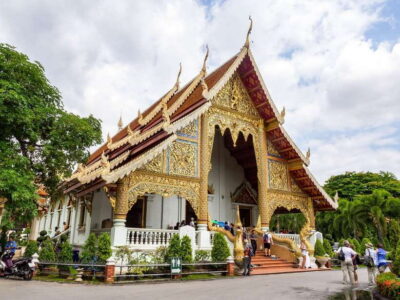
3 Hour Old City and Temples Guided Walking Tour
Read our review →
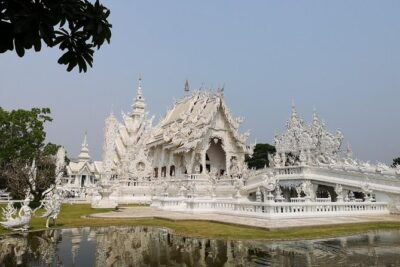
Chiang Rai Day Trip from Chiang Mai City with Golden Triangle
Read our review →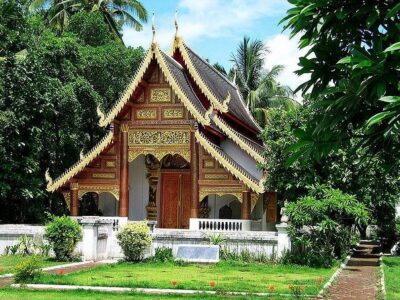
The Best City Tour View Points Wat Doi Suthep, Wat Chedi Luang and Wat Pha Lat
Read our review →
Browse the lists this tour appears in