
Reviewed · ETHICAL ELEPHANT SANCTUARY VISITS
From Chiang Mai: Living Green Elephant Sanctuary Tour
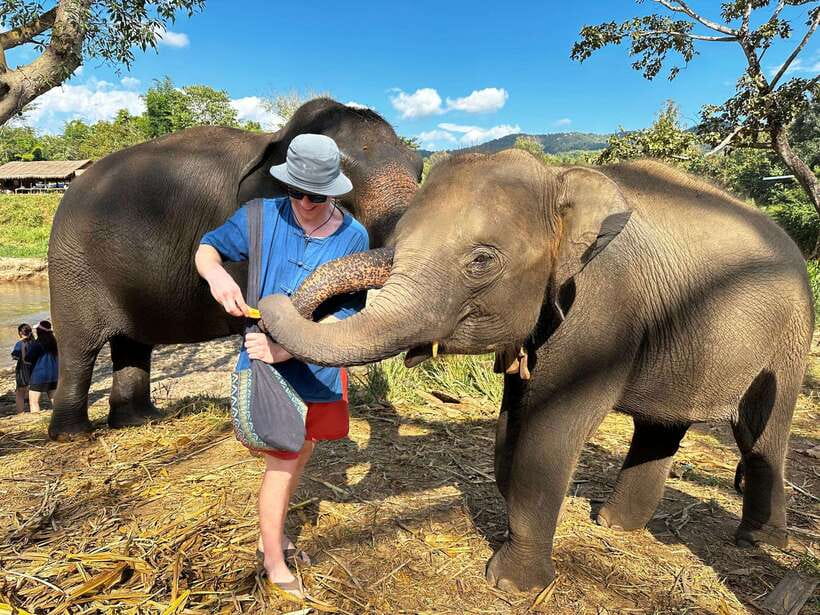
Living Green Elephant Sanctuary puts the elephants first: no riding, chains, or shows, just feeding, walking, and quiet observation near the forests south of Chiang Mai. I like the open-air setting by the river and the chance to learn each elephant’s story from the caretakers. I also like that the day includes hotel transport and a proper local meal, not just a brief photo stop.
I love the calm pace and the chance to see elephants choose what to do. I also like the full-day extras, especially making herbal medicine balls, planting future elephant food, and cooking vegetarian Pad Thai. The main drawback is the long road journey, around three hours in total, and bathing may be skipped in cold or poor weather.
In This Review
- Key points to know before you book
- A sanctuary visit built around choice and calm
- The 1.5-hour drive from Chiang Mai
- Changing into northern clothing
- Feeding elephants without turning it into a show
- Forest walks and the river
- What changes between the half-day and full-day programs
- Pad Thai, fruit, and a useful lunch break
- Guides, group atmosphere, and safety
- Who will get the most from this experience
- Should you book Living Green Elephant Sanctuary?
- FAQ
- How far is Living Green Elephant Sanctuary from Chiang Mai?
- How long does the tour last?
- What time does the half-day tour start?
- Are elephant rides included?
- Can I bathe the elephants?
- Is lunch included?
- Is a Chinese guide available?
- What should I bring?
Key points to know before you book
- No riding or performances: The elephants are not used for rides, tricks, or forced displays.
- About 1.5 hours from Chiang Mai: The drive passes rivers, rice fields, banana plantations, and rural northern scenery.
- Half-day or full-day choices: The shorter program lasts about 6 to 7 hours, while the longer visit runs about 9 to 10 hours.
- River and forest setting: You can feed elephants, walk with them, and watch them bathe naturally when conditions allow.
- Full-day hands-on activities: Cook vegetarian Pad Thai, prepare herbal medicine balls, and plant seedlings if these options are selected.
- Useful practical extras: Hotel pickup, traditional northern clothing, lunch, photography, insurance, and return transport are included.
A sanctuary visit built around choice and calm
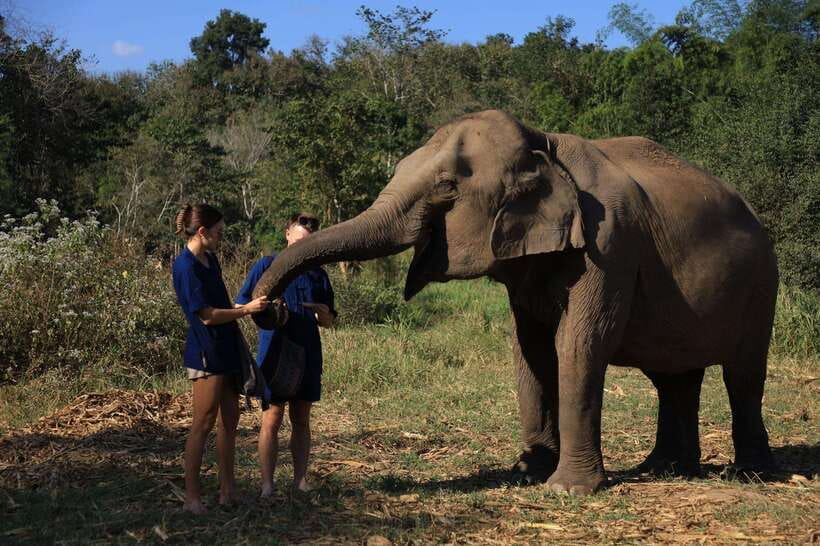
The heart of this experience is simple. You spend time near elephants without asking them to perform for you. There is no riding, no animal show, and no need for the elephants to follow a fixed routine for a photo.
That matters because elephant tourism can be confusing. A program may use words such as ethical or rescued, but the details tell you more. Here, the stated rules are clear: no chains, no riding, no performances, and no force during the activities. The elephants are allowed to move through their setting, eat, walk, and enter the water according to their own behavior.
You will still have close contact. Feeding is part of both programs, and you walk with the elephants through the forest. You may also stand near the river while they splash and bathe. This is not a hands-off wildlife viewing experience, but it avoids the more troubling practices found at many elephant attractions.
I would treat the word natural with some care. The sanctuary is a managed place that receives visitors, and the elephants interact with people. Still, the open-air setting, the lack of riding, and the focus on observation make this a more respectful choice for a Chiang Mai elephant day.
More elephant sanctuary visits in Chiang Mai:
- Chiang Mai: Elephant Sanctuary, Waterfall & Bamboo Rafting
★ 4.9 · 9,160 reviews - Chiang Mai: Elephant Sanctuary & Waterfall Group Tour
★ 4.9 · 5,780 reviews - Chiang Mai: Elephant Sanctuary Feeding Program Half-Day Tour
★ 4.8 · 4,527 reviews
The 1.5-hour drive from Chiang Mai
Your day begins with hotel pickup in Chiang Mai. The exact pickup time depends on the program and your location, with a morning half-day session listed from 7:00 to 14:00, an afternoon session from 12:00 to 19:00, and the full-day option from 8:00 to 17:00.
The van ride takes about 1.5 hours each way. That is a real part of the tour, so do not think of this as a quick outing just beyond the city. Traffic can change the timing, but the drive also gives you a useful shift from urban Chiang Mai to rural scenery.
Along the way, you may see rivers, rice fields, banana plantations, and mountain views. A viewpoint is included in the route, although the exact stop and time there can depend on the day. I like this transfer because the sanctuary would not feel as removed from city life if you simply arrived in twenty minutes. The distance helps explain the quieter setting.
The tradeoff is comfort and time. A full round trip in a van can feel tiring, especially after wet clothes and outdoor activity. If you are choosing between the two programs, the afternoon half-day session can make sense if you want a shorter visit, while the full day gives you more time at the sanctuary rather than adding another attraction.
Changing into northern clothing
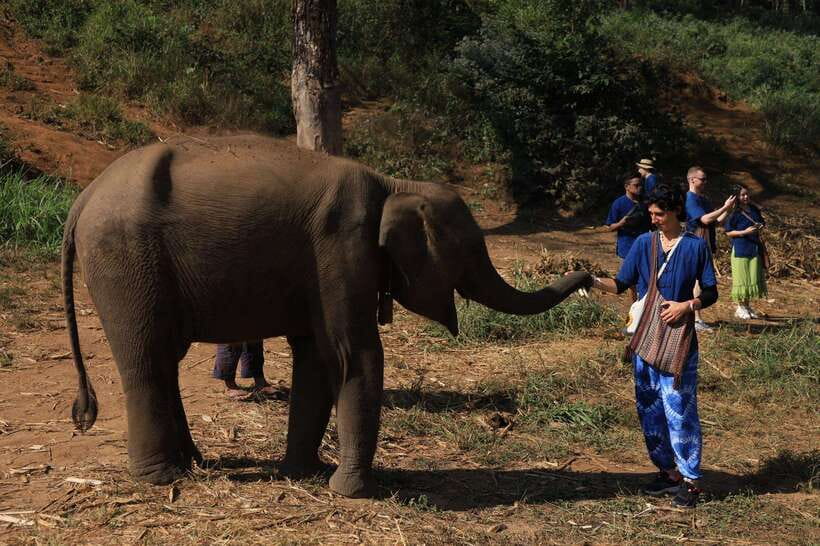
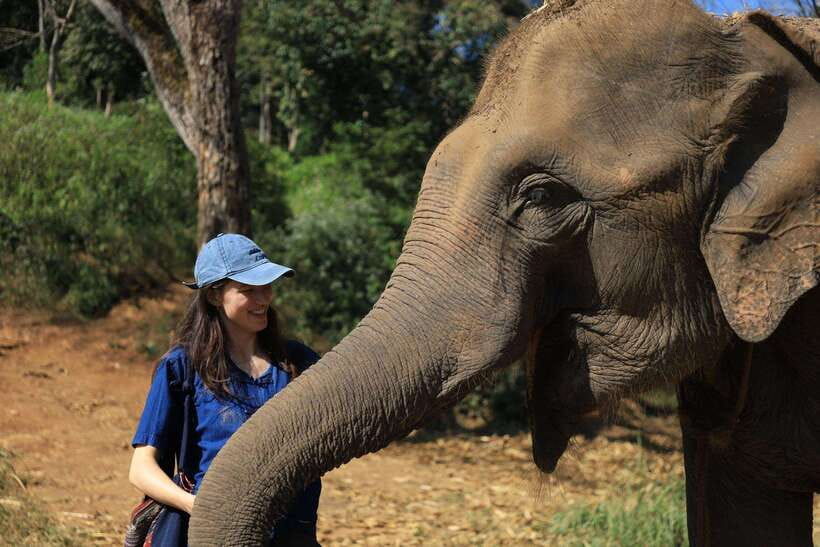
On arrival, you receive traditional northern clothing, described as Mo Hom clothing. This is practical as well as photogenic. The loose fabric suits a warm outdoor day, and you can change back before leaving.
There is a briefing before you approach the elephants. This is an important part of the visit, not a formality to rush through. You learn how to behave around the animals, how feeding works, and what to expect from their individual habits.
The caretakers explain each elephant’s personality and background. Names and guide assignments can change, but guides such as Pao, Rainbow, John, and Mr Su have led recent programs. The useful quality to look for is not a rehearsed speech. It is a guide who notices when an elephant wants space and helps you read its movements.
You should listen closely during this introduction. Elephants are large, powerful animals, even when they seem gentle. Follow the guide’s instructions, keep your movements calm, and do not try to force contact. The program rules say no force is used, and that should apply to your behavior as well as the staff’s.
Feeding elephants without turning it into a show
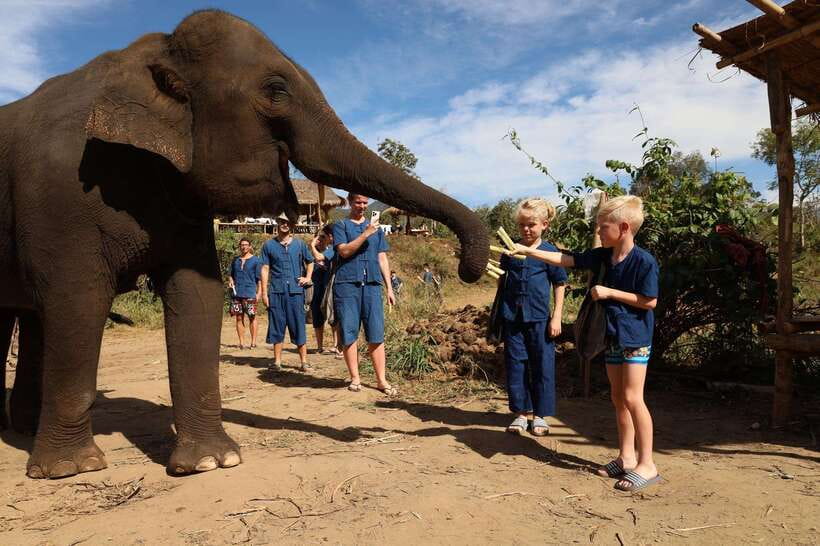
Feeding is one of the most direct ways to connect with the elephants. You will be shown how to offer food, then spend time near them as they eat. This can produce close photographs, but the better reward is watching how differently the animals behave.
Some elephants may come forward at once. Others may be more reserved. A small elephant may attract plenty of attention, but the caretakers’ explanations help keep the focus on the whole group rather than only the youngest animal.
The best moments are often quiet ones. You might watch an elephant select food, move toward another part of the sanctuary, or pause while the group changes direction. The experience works better if you resist trying to fill every second with touching or selfies.
Photography service is included, which is useful because you can put your own camera away for part of the visit. Bring your camera if you want additional pictures, but protect it from water and mud. The available photo delivery can occasionally need checking, so if pictures matter to you, confirm how and when they will be shared before you leave.
Same city, a completely different sort of day:
- Half-Day Thai Cooking Class at Organic Farm in Chiang Mai
★ 5.0 · 19,087 reviews - Chiang Mai: Doi Inthanon National Park Eco-Friendly Tour
★ 4.6 · 6,667 reviews - Chiang Mai: Chiang Rai Temples, Karen Tribe and Hot Springs
★ 4.7 · 5,401 reviews - Chiang Mai: Cooking Class, Market & Thai Herbs Garden Tour
★ 4.9 · 4,824 reviews
Forest walks and the river
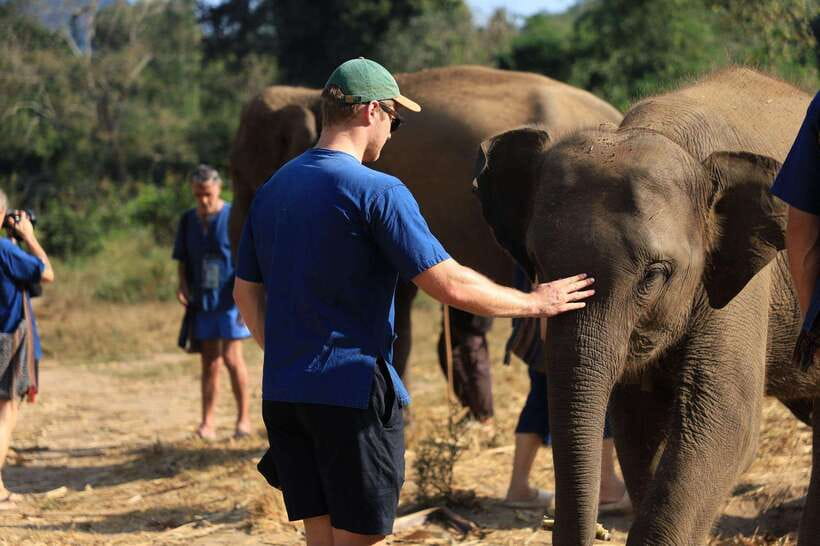
After feeding, you walk with the elephants through the forest toward the river. This is where the visit feels less like an animal encounter arranged in one spot and more like time spent following the animals’ pace.
You do not control where the elephants go. That can mean waiting, changing position, or watching from a short distance. For me, that uncertainty is a strength. It gives you a chance to observe rather than expecting a scheduled trick.
The river is the setting for bathing. Elephants may splash, roll, spray water, or simply stand in the shallows. You may get wet, so bring swimwear, sandals, a towel, and dry clothes. Sunscreen and insect repellent are also sensible for the forest and river portions.
There is an important weather rule. The elephants are never forced into the river during cold weather, and weather conditions can change the bathing activity. If bathing does not happen, that is a welfare decision, not a missing part of the tour. Pack for a wet outing, but do not treat getting into the water as guaranteed.
Facilities include toilets and showers, according to the experience details. That makes the river portion easier to manage, especially if you are heading out for dinner or another activity after returning to Chiang Mai.
What changes between the half-day and full-day programs
The half-day program lasts about 6 to 7 hours including transport. The morning session runs approximately 7:00 to 14:00, while the afternoon session runs approximately 12:00 to 19:00. Both include pickup, the drive, a briefing, traditional clothing, elephant feeding and interaction, a forest walk, river time when possible, a local meal, and the return journey.
The half-day option is enough if your main goal is to meet the elephants without filling an entire day. One afternoon visit can fit more easily around a morning in Chiang Mai, though your return time may be affected by traffic.
The full-day program runs about 9 to 10 hours, generally from 8:00 to 17:00. It adds several activities that give the day more purpose beyond feeding and bathing.
You can make herbal medicine balls for elephant digestion. You can plant seedlings that will later provide natural elephant food. These tasks are small, but they help you understand the work behind elephant care. Feeding an elephant is an immediate moment. Planting food connects your visit to the longer routine of maintaining a sanctuary.
The full-day option also includes a vegetarian Pad Thai cooking workshop. This feature is available from December 2 onward, and the workshop is part of the selected full-day package. You prepare your own Pad Thai using local ingredients, then eat the finished dish for lunch.
If cooking sounds like a chore when you are booking an elephant day, consider the practical benefit. It breaks up the outdoor activity, gives you a seated meal, and adds a northern Thai food experience. If you only want time with elephants, the half-day program is likely the better fit.
Pad Thai, fruit, and a useful lunch break
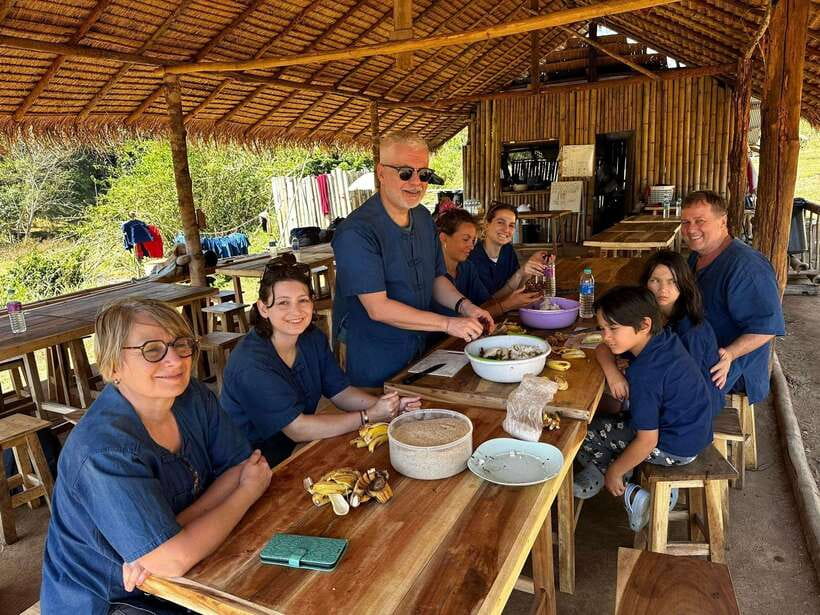
Food is included in the experience, with Pad Thai and fruit provided. The full-day option includes your own handmade vegetarian Pad Thai if the cooking workshop is selected. Fresh water is also provided.
A meal by the river gives the day a pleasant pause. You are not expected to rush from one animal activity to the next, and the food makes the price easier to assess. At $46 per person, the package includes transport from Chiang Mai, clothing, activities, lunch, photography, and travel insurance. For a full day away from the city, that is a fair price, provided you value the included transfer and welfare-focused program.
Personal expenses are not included. Bring money for anything extra you may want to buy, but the core day does not require you to pay separately for the listed meal or clothing. The clothing is supplied for the visit, and some people have also bought their outfits afterward.
Guides, group atmosphere, and safety
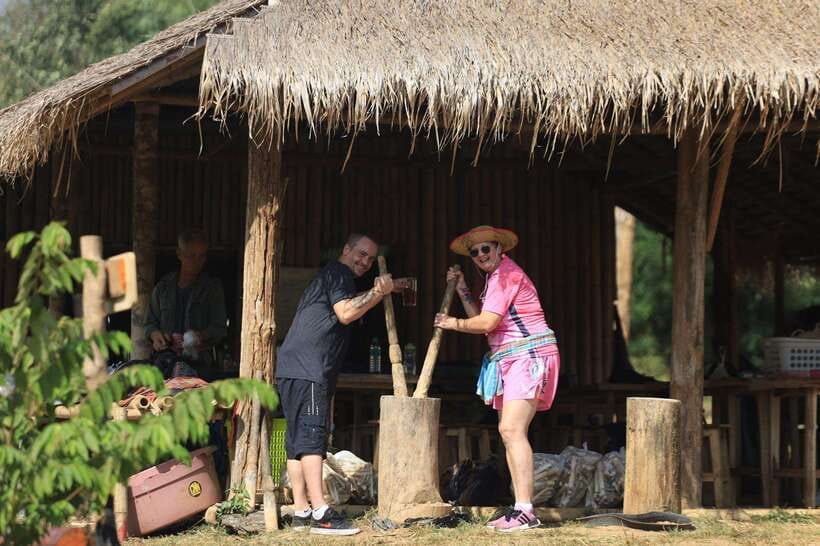
The guide can shape the whole day. A good guide explains elephant behavior, keeps the group at a safe distance when needed, and makes room for observation instead of pushing everyone toward constant contact.
English guiding is available. A Chinese guide is available for the full-day program only, not the half-day option. If that language support matters to you, choose the correct program before booking.
The experience has received a 4.7 rating from 144 bookings, with especially strong praise for the guides, the calm setting, and the care given to the elephants. Specific guides named in feedback include Pao, Rainbow, John, and Mr Su. You should not assume one of them will lead your date, but these names indicate the kind of personal, informative guiding the program aims to provide.
One practical warning concerns the road transfer. A recent participant found the driver’s speed uncomfortable and the van windows dirty. That does not define every departure, but it is fair to say that vehicle comfort and driving style can vary. If you feel unsafe, tell the guide promptly.
The activity is not suitable for children under two, pregnant women, or people with back or heart problems. Smoking, alcohol, drugs, and riding the animals are not allowed. Wear comfortable clothes and shoes that can handle mud and water.
Who will get the most from this experience
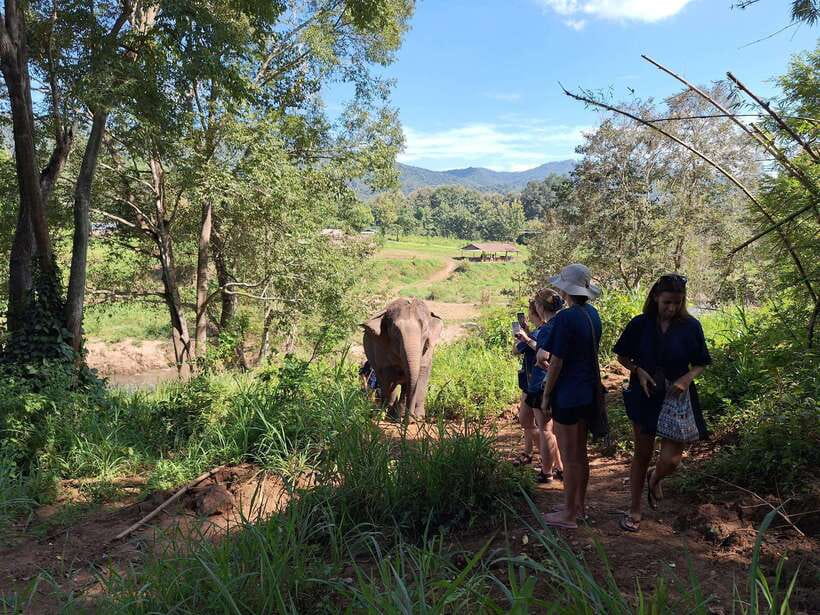
I would choose Living Green for someone who wants close elephant contact but does not want riding or performances. It suits couples, solo visitors, families with older children, and anyone who prefers a slower outdoor day to a crowded attraction.
The half-day program fits you if you want the essentials: feeding, walking, river observation, lunch, and transport. It also leaves more room for Chiang Mai plans, though the early or late return can still take up much of the day.
The full-day program fits you if you enjoy practical activities and want a fuller picture of sanctuary work. Cooking, planting, and preparing medicine balls give the visit more variety. The Chinese guiding option also makes the full-day program the clear choice for Chinese-language support.
I would think twice if you dislike long van rides, heat, mud, insects, or uncertain schedules. I would also avoid booking this as a guaranteed bathing session. The elephants decide, and the weather can decide too.
Free cancellation is available up to 24 hours before the activity, and you can reserve now and pay later. That helps if your Chiang Mai schedule is still shifting, but it does not remove the need to choose a pickup session carefully.
Should you book Living Green Elephant Sanctuary?
Book it if you want an ethical elephant experience built on feeding, walking, watching, and learning rather than riding or entertainment. The open-air river setting, welfare rules, helpful guides, included meal, and hotel transfer make $46 a reasonable price.
Choose the half-day option for a focused visit. Choose the full-day option if Pad Thai, planting, herbal medicine balls, and Chinese guiding matter to you. Bring dry clothes, accept that river bathing depends on the elephants and weather, and allow extra time for the road.
For a first elephant experience near Chiang Mai, this is a thoughtful choice. It gives you real contact without asking the animals to perform, and it leaves room for the most important part of the day: watching them behave like elephants.
FAQ
How far is Living Green Elephant Sanctuary from Chiang Mai?
The sanctuary is about 1.5 hours from Chiang Mai by van each way. Traffic can affect the total duration.
How long does the tour last?
The half-day program lasts around 6 to 7 hours including transportation. The full-day program lasts around 9 to 10 hours.
What time does the half-day tour start?
The morning session runs approximately from 7:00 to 14:00. The afternoon session runs approximately from 12:00 to 19:00. The exact pickup time is confirmed one day before the visit.
Are elephant rides included?
No. Riding is not allowed. The program also does not include chains or performances, and activities are based on animal welfare.
Can I bathe the elephants?
You can walk with the elephants to the river and observe natural bathing. Bathing activities depend on weather and the elephants’ comfort. Elephants are not forced into the river during cold weather.
Is lunch included?
Yes. A local meal, Pad Thai, fruit, and freshwater are included. The full-day option can include a vegetarian Pad Thai workshop and your own handmade Pad Thai when that option is selected.
Is a Chinese guide available?
Yes, but Chinese guiding is available for the full-day program only. The listed standard language is English.
What should I bring?
Bring a hat, swimwear, a change of clothes, a towel, sandals, a camera, sunscreen, comfortable clothing, and insect repellent. You may get wet during the river activities.
Just added around Chiang Mai
- Chiang Rai Wonders: White, Blue & Red Temples and Hot Spring★ 5.0 · 3 reviews
- Chiang Rai White Temple Blue Temple and Hill Tribe Village Tour★ 3.5 · 3 reviews
- Private Chiang Mai City Tour including Wat Doi Suthep, Wat Suan Dok (SHA Plus)★ 5.0 · 3 reviews
- Workshop Making Herbal ball & herbal inhaler★ 4.3 · 3 reviews
- Chiang Mai Mae Ping River Cruise and Thai Farmer House Visit★ 4.0 · 3 reviews
- Phoenix Zipline Adventure Park – Chiang Mai Thrills★ 4.0 · 3 reviews
- Monk trails hike, Wat Phalat, Monk chanting, Wat Doi Suthep.★ 5.0 · 3 reviews
- Tok Sen Massage at Fah Lanna Spa in Chiang Mai★ 4.5 · 3 reviews
Ethical Elephant Sanctuary Visits, compared.

Elephant Sanctuary, Waterfall & Bamboo Rafting
Read our review →
Elephant Sanctuary Feeding Program Half-Day Tour
Read our review →
Elephant Sanctuary, Long Neck & Sticky Waterfall
Read our review →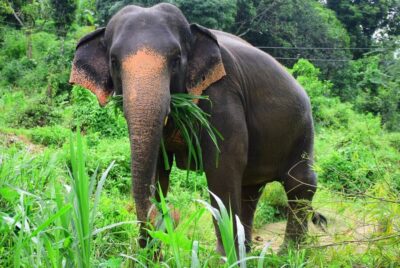

3-in-1: Doi Inthanon Tour, Elephant Sanctuary, and Trekking Trail
Read our review →
Chiang Mai Elephant Sanctuary, Bamboo Rafting and Waterfall Tour
Read our review →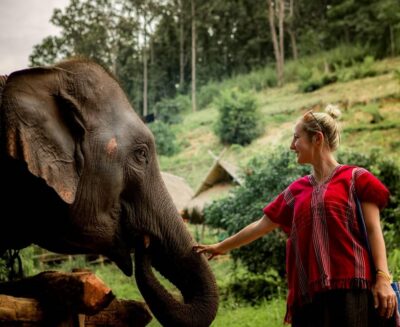
Browse the lists this tour appears in