
Reviewed · CITY TOURS
Chiang Mai: Temple & City Tour Part II
Chiang Mai’s best temple experience may be the one that takes you beyond the famous postcard stops. This walking tour visits four temples, including Wat Chiang Man, the city’s oldest temple, plus Shan and Burmese sites that are easy to miss when exploring on your own. Guides such as Katoon and Big add personal insight from years of studying or living as monks.
I like the way this tour connects temple architecture with everyday Buddhism, rather than treating each stop as a photo backdrop. I also like the small-group and private options, along with the chance to ask real questions about prayer, meditation, monk life, and Thai customs. The main consideration is the heat: you will walk for hours, so bring water, an umbrella, and comfortable clothing that covers your knees and shoulders.
In This Review
- Key points to know before you book
- Why this temple walk feels different
- Wat Chiang Man, Chiang Mai’s oldest temple
- Wat Chiang Yuen and the Shan connection
- Wat Pa Pao, a Shan Burmese temple outside the old walls
- Wat Ku Tao and the Burmese chapter of Chiang Mai
- Buddhism, monk life, and questions you can ask
- Walking comfort, clothing, and the day’s pace
- Is $31 good value?
- Finding the meeting point
- Who should book this Chiang Mai temple tour?
- Should you book it?
- FAQ
- How much does the Chiang Mai Temple and City Tour Part II cost?
- How long does the tour last?
- What time does the tour start?
- Which temples are included?
- Is this a walking tour?
- What languages are available?
- Is the tour private or shared?
- Is hotel pickup included?
- Are food and drinks included?
- What should I bring?
- Can I cancel the booking?
- Is payment required at the time of booking?
Key points to know before you book
- Four important temples in one walking route: Visit Wat Chiang Man, Wat Chiang Yuen, Wat Pa Pao, and Wat Ku Tao.
- A close look at Shan and Burmese culture: Wat Chiang Yuen and Wat Pa Pao show sides of Chiang Mai many visitors miss.
- Guides with personal Buddhist experience: Katoon and Big have shared stories from their time as monks, while Eddy and Son have also received strong praise for clear, friendly guiding.
- A question-friendly tour: You can ask about Buddhism, meditation, temple etiquette, local customs, and the life of monks.
- Good value at $31: The fee includes a guide and the walking tour, with private or small-group formats available.
- Plan for a demanding walk: The route is described as relatively easy, but the heat and several hours on your feet can still leave you tired.
Why this temple walk feels different
Many Chiang Mai temple tours focus on the largest and most photographed religious sites. This one takes a more local route. You still see an important royal temple, but you also visit places tied to the Shan people and Burmese rule. That gives you a better sense of how northern Thailand developed through several cultures and political periods.
The tour begins at about 8:20 am, although you should check the available start time when booking. Starting early is sensible in Chiang Mai, where the heat can build quickly. The route is designed as a walking experience, so you spend more time noticing lanes, courtyards, walls, and small details between the major sights.
The strongest part of the tour is the guide’s role. You are not simply handed dates and names. Guides including Katoon and Big have explained meditation, basic temple manners, Buddhist stories, and daily monastic life. Katoon has been especially praised for giving people time to ask questions and for taking groups to quieter temple spaces. Eddy has also been noted for friendly service and helping with photographs, while Son has offered detailed explanations of Buddhism and Thai life.
That personal approach matters. A temple can look beautiful and still remain difficult to understand. A good guide helps you see why people make offerings, how to behave inside a shrine, and what the paintings or Buddha images represent.
A few more Chiang Mai half-days to weigh up
- Chiang Mai: 3 Hour Old City and Temples Guided Walking Tour
★ 4.6 · 1,568 reviews - Chiang Mai: Historic Temples and City Guided Walking Tour
★ 4.7 · 650 reviews - Chiang Rai Day Trip from Chiang Mai City with Golden Triangle
★ 4.5 · 531 reviews
Wat Chiang Man, Chiang Mai’s oldest temple
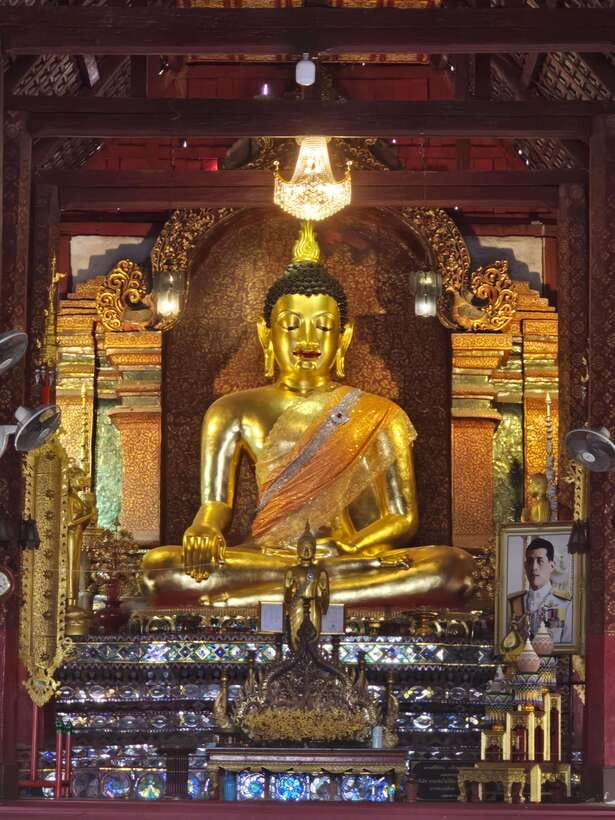
Your first stop is Wat Chiang Man, built in 1296 by King Mengrai. It is described as the oldest temple in Chiang Mai town, making it the right place to begin a tour centered on the city’s religious and political beginnings.
The temple is associated with a crystal Buddha statue, one of the details that helps explain its importance. You can expect the guide to place the statue, the temple buildings, and Buddhist practice into a wider story rather than simply pointing out the main image.
I like starting here because it gives the rest of the walk a useful foundation. You begin with the origin of Chiang Mai and then move into temples shaped by Shan and Burmese influence. The sequence makes the day feel connected.
Wat Chiang Man is also a good place to learn basic etiquette before the quieter stops. Your guide may explain how to enter a shrine respectfully, how to pray, and what conduct is appropriate around Buddha images. These lessons are practical, especially if this is your first serious temple visit in Thailand.
Do not expect the entire experience to be a silent, private visit. It is still an active temple in a city setting. The value comes from learning how to read the place, not from ticking off a famous building.
Wat Chiang Yuen and the Shan connection
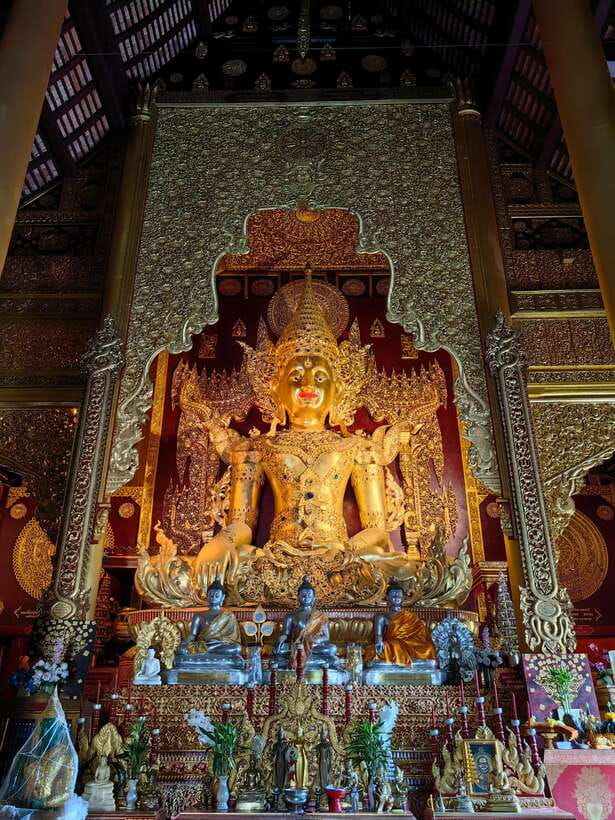
Next comes Wat Chiang Yuen, a 16th-century temple linked to an area that once served as a residential district for Shan people. The Shan are an important part of northern mainland Southeast Asia, and this stop gives the tour a cultural angle beyond the standard story of Thai kings and temples.
The temple’s location and association with Shan residents make it useful for understanding Chiang Mai as a meeting point of cultures. You can look at the building style and ask your guide how Shan traditions differ from or overlap with Thai Buddhist practice.
This is one of the places you might not choose on your own. It does not have the same instant recognition as Wat Chiang Man, and without context, you could walk through, take a picture, and miss why it matters. With a guide, the visit becomes a lesson in migration, local identity, and the way religious buildings serve communities.
The route remains fairly easy in terms of terrain, but you should not confuse easy walking with a short stroll. The full experience lasts a day, and the heat can be the bigger challenge than the distance. Wear practical shoes and keep your water close.
Wat Pa Pao, a Shan Burmese temple outside the old walls
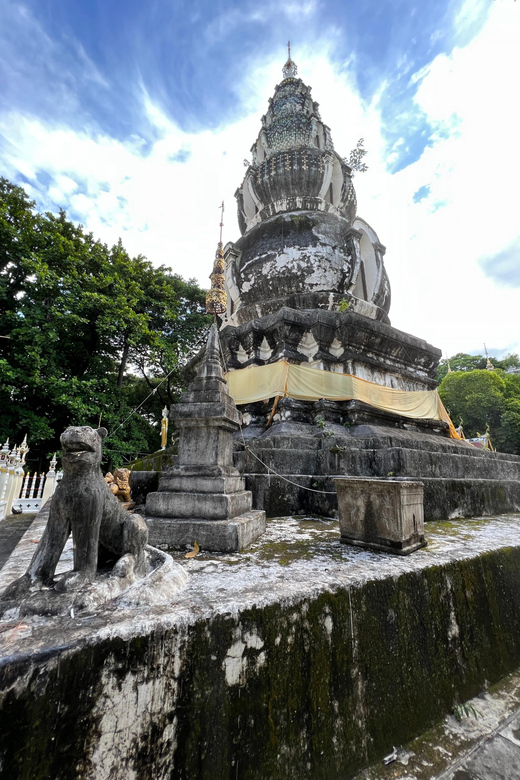
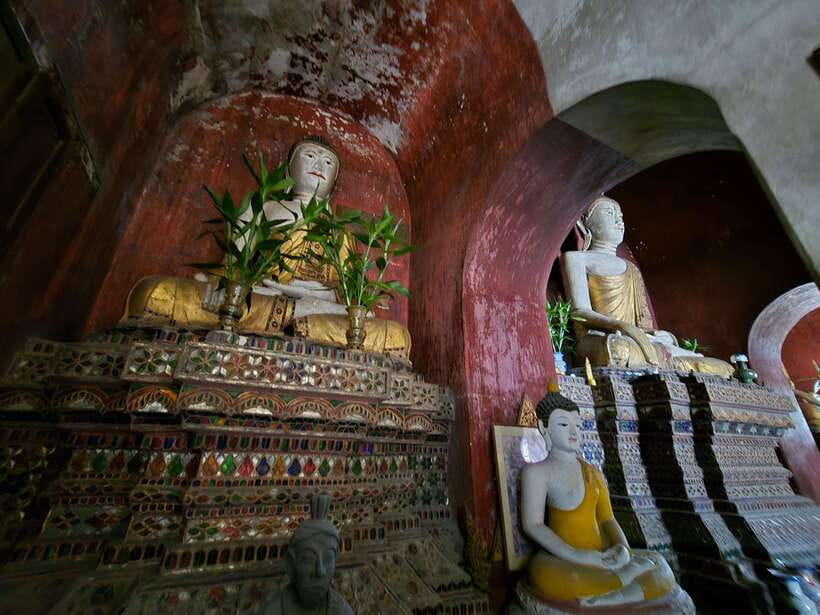
Wat Pa Pao is a Shan Burmese-style temple outside Chiang Mai’s old city walls and moat. Its setting helps show that the city’s religious story does not stop at the old center. The temple also gives you a clear architectural contrast with the sites associated more directly with Lanna and Thai traditions.
This is a particularly useful stop if you are interested in design. The Shan Burmese style gives the buildings a different visual character, and your guide can help you notice details you might otherwise pass by. The temple is not included simply as another stop on a checklist. It is part of the explanation of how people, customs, and religious traditions moved through the region.
I would pay attention to the transitions between temples here. A walking tour gives you time to move through the city rather than jumping from one entrance to another in a vehicle. That makes the old walls, streets, and changing neighborhoods part of the experience, even though the tour’s main focus remains the temples.
The practical drawback is exposure to sun and heat. One participant specifically warned that the walk can be demanding if you are not used to a hot climate. An umbrella is listed among the recommended items, and it is good advice for shade as well as sudden rain.
Same city, a completely different sort of day:
- Half-Day Thai Cooking Class at Organic Farm in Chiang Mai
★ 5.0 · 19,087 reviews - Chiang Mai: Elephant Sanctuary, Waterfall & Bamboo Rafting
★ 4.9 · 9,160 reviews - Chiang Mai: Doi Inthanon National Park Eco-Friendly Tour
★ 4.6 · 6,667 reviews - Chiang Mai: Elephant Sanctuary & Waterfall Group Tour
★ 4.9 · 5,780 reviews
Wat Ku Tao and the Burmese chapter of Chiang Mai
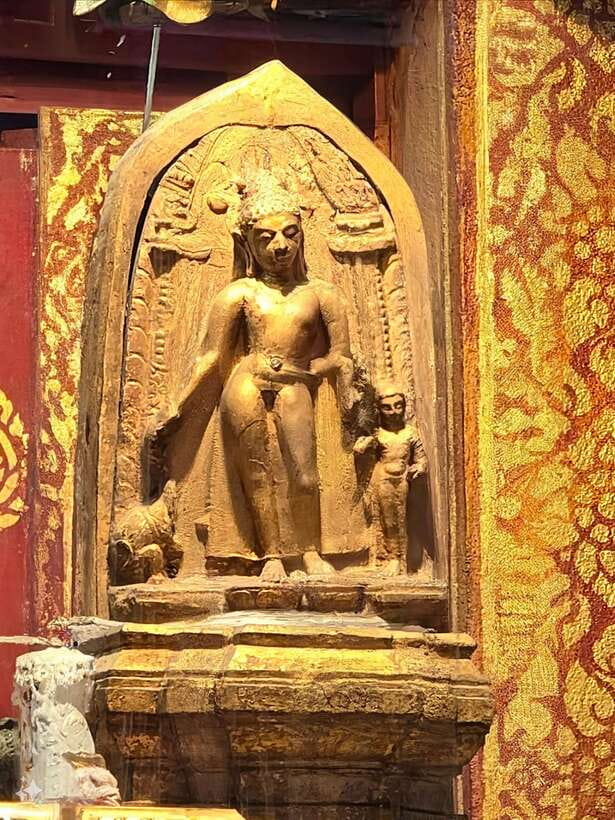
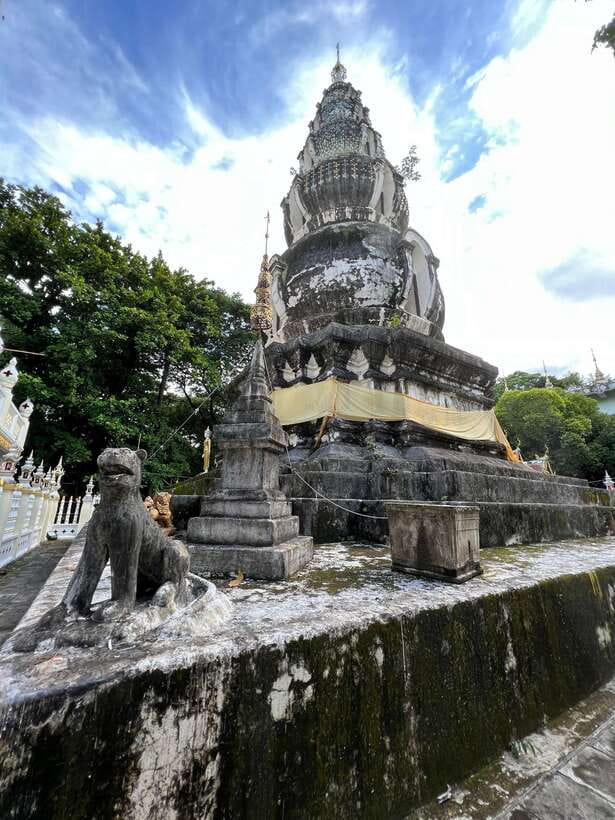
The final temple is Wat Ku Tao, known for an unusual chedi thought to have been built in 1613. The structure is associated with the ashes of Prince Saravadi, who lived from 1578 to 1607 and is identified as the first Burmese overlord of Chiang Mai.
This stop gives the tour a strong historical finish. By now, you have seen the city’s earliest temple, a site linked with Shan residents, a Shan Burmese-style temple, and a chedi connected with Burmese rule. The sequence shows that Chiang Mai’s past is not a single, tidy national story.
The chedi is the visual centerpiece, but the surrounding explanation is what makes the stop worthwhile. Ask your guide about the political changes behind the temple, the role of Burmese rulers, and how religious buildings can preserve memories of power and succession.
Wat Ku Tao also reinforces the tour’s main strength: it takes you to places with meaning, not just places with good photographs. You may not have heard of every temple beforehand, but by the end, you will have a more useful map of Chiang Mai’s cultural past.
Buddhism, monk life, and questions you can ask
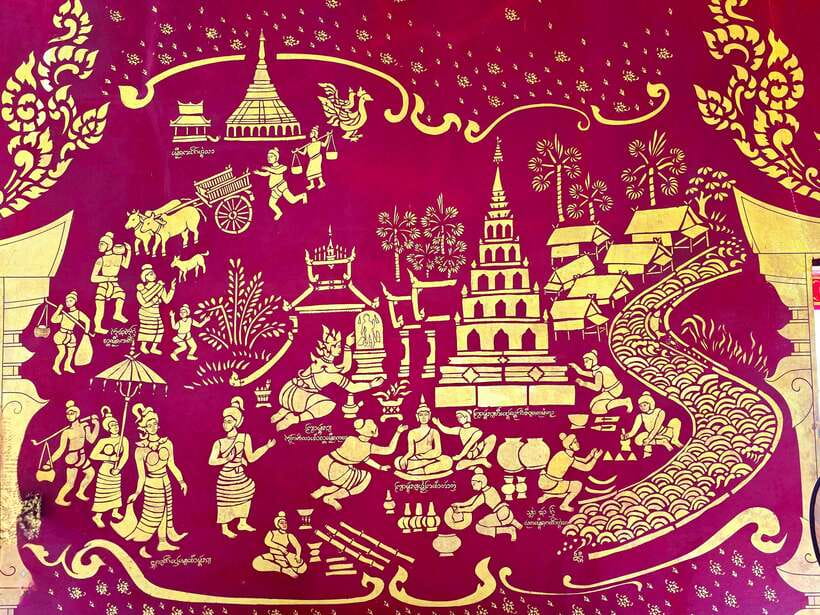
The guides are a major reason to choose this tour. Katoon, who has been described as a former monk, has explained Buddhist stories, meditation, temple art, and the simple routines of monastic life. Big has also drawn on his experience as a monk to explain Buddhism and temple customs.
That background can make a real difference. You can ask why people pray in a certain way, what meditation involves, how monks live, or how Buddhist ideas shape ordinary life in Thailand. You are not limited to a fixed speech.
Several guides have also been praised for patience. That is important because Buddhism can be difficult to explain in a few polished phrases. The best moments are likely to come when you ask a specific question and the guide connects the answer to a building, painting, Buddha image, or daily practice.
You should also expect some variation between guides. Katoon, Big, Eddy, and Son are names associated with especially positive experiences, but the guide assigned to you may be different. English, Chinese, and Thai are offered, and the quality of conversation will depend partly on your language choice and the particular guide.
Photography is welcome as part of the experience, and Eddy has been especially helpful with taking pictures. Still, remember that this is a religious setting. Ask before photographing people, follow instructions about shrine areas, and keep your voice low.
Walking comfort, clothing, and the day’s pace
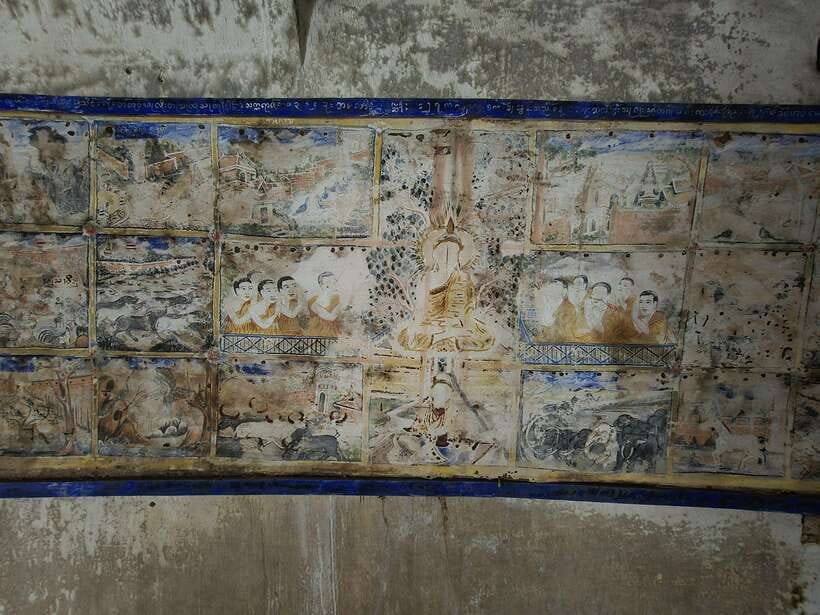
The tour is described as relatively easy to walk, but it is not ideal for everyone. You will be on your feet for several hours, and one person who joined the tour after completing Part I found that doing both parts in one day left their feet exhausted.
For that reason, I would treat Part II as a full activity rather than a casual add-on. Supportive shoes, loose clothing, water, and sun protection will make a bigger difference than fancy equipment. Bring cash for personal needs, and do not rely on finding food or drinks as part of the tour, since they are not included.
Temple clothing matters. Short skirts are not allowed, and you should dress modestly for all four sites. The restrictions also exclude smoking indoors, alcohol and drugs, drones, loud behavior, weapons, sharp objects, and other disruptive items.
The tour is not suitable for wheelchair users, children under two, or babies under one. Pregnant people may also find the walking and heat unsuitable. Electric wheelchairs and baby strollers are specifically excluded, so check carefully before booking if anyone in your party needs mobility support.
Is $31 good value?
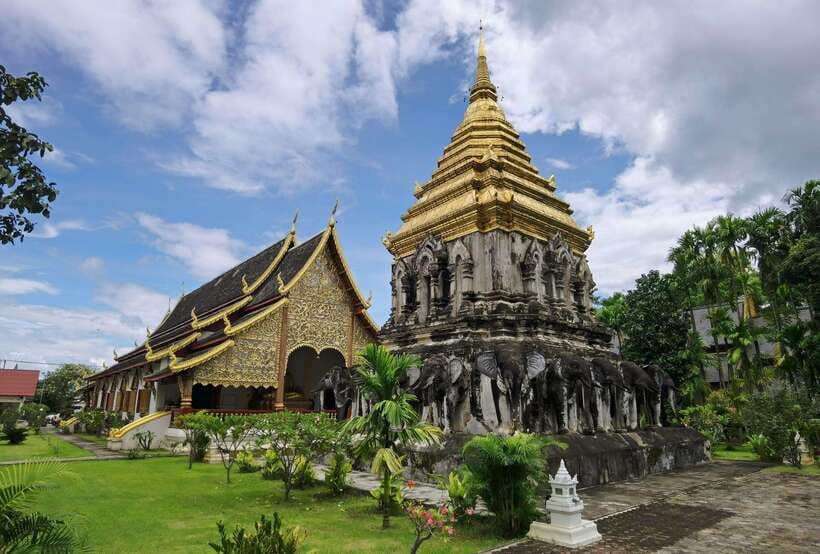
At $31 per person, the tour offers solid value if you want interpretation rather than transport. The price includes a tourist guide and the walking tour. Food and extra drinks are not included, and hotel pickup and drop-off are included only when you select the private option.
The value improves if you are curious about Buddhism but do not want to spend hours researching each temple yourself. A guide can explain the significance of four sites in one day, show you how to behave respectfully, and answer questions that a printed guidebook cannot handle in the moment.
A private or small-group booking may be worth considering if you care about a slower pace or have many questions. One-person departures have taken place, allowing the guide to spend more time explaining details. That said, a larger group may cost less or provide a more social experience, depending on the option available.
The tour also emphasizes reducing environmental impact and offsetting carbon emissions. Since the main format is on foot, the structure naturally avoids adding a separate vehicle journey between every temple. For me, that is a sensible match for a city tour focused on local places.
Finding the meeting point
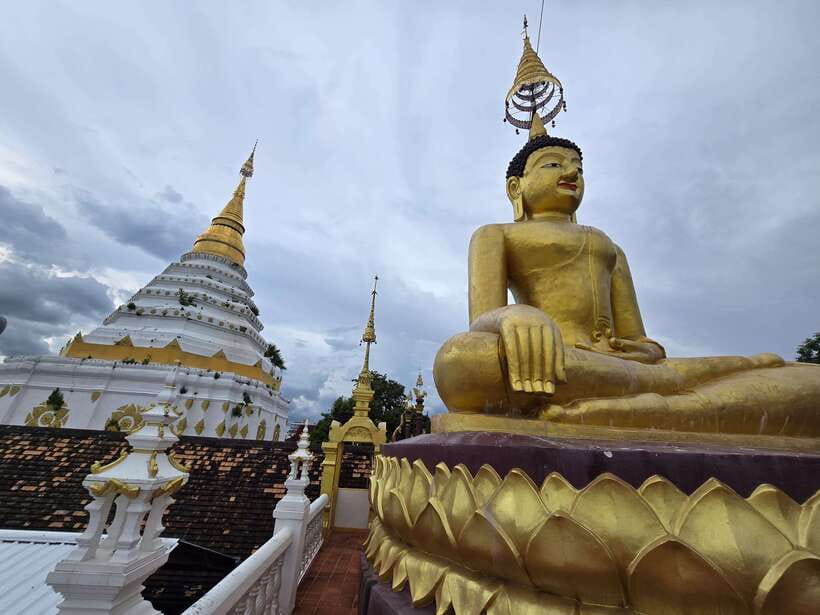
One practical issue deserves attention. A past booking problem involved a difficult map code, QXRP+3WX, which did not clearly identify the meeting point for the group, hotel staff, or taxi driver. The group eventually found the location but arrived five minutes late.
You should confirm the meeting point in plain language before the day of the tour. If the instructions give only a plus code or a map pin, ask for a recognizable landmark, such as the Three Kings Monument, if that is the intended area. This small step can prevent needless stress, especially for an early start.
If you select the private option, hotel pickup and drop-off are included. For other formats, do not assume transportation is provided. The experience is built around walking, so arrive ready to begin on foot.
Who should book this Chiang Mai temple tour?
I would choose this tour if you want to understand what you are seeing. It suits first-time visitors who feel unsure about temple etiquette, people interested in Buddhism, and repeat visitors who have already seen the major city sights and want a less predictable route.
It is also a good match for anyone who enjoys asking questions. The strongest guide experiences have involved long conversations about meditation, Buddha stories, Thai customs, and the life of monks. If you prefer to move quickly, take a few photos, and leave, you may find the explanations slow.
The tour works well as a companion to Temple and City Tour Part I, but it can also be booked on its own. If you take both in one day, plan a real break for lunch and rest. Your feet may thank you.
The $31 price is fair for a guided cultural walk, especially if you receive a guide such as Katoon, Big, Eddy, or Son who can add personal knowledge and help you see quiet spaces. Just remember that the exact guide is not guaranteed in the information provided.
Should you book it?
Book this tour if you want four significant temples explained in context, with special attention to Shan and Burmese influence. The personal stories about monk life and the chance to learn basic meditation and temple etiquette give it more substance than a simple sightseeing walk.
Skip it if you dislike walking in heat, need accessible transport, or prefer a short temple visit with little commentary. For everyone else, bring water, wear respectful clothing, confirm the meeting point, and leave room in your schedule for questions. This is a thoughtful way to see a less familiar side of Chiang Mai.
FAQ
How much does the Chiang Mai Temple and City Tour Part II cost?
The tour costs $31 per person.
How long does the tour last?
It is a one-day activity.
What time does the tour start?
The tour is scheduled to begin at about 8:20 am. Check availability for the exact starting time when booking.
Which temples are included?
The route includes Wat Chiang Man, Wat Chiang Yuen, Wat Pa Pao, and Wat Ku Tao.
Is this a walking tour?
Yes. The experience is built around walking between the temple visits.
What languages are available?
Guiding is available in English, Chinese, and Thai.
Is the tour private or shared?
Private and small-group options are available.
Is hotel pickup included?
Hotel pickup and drop-off are included if you select the private option.
Are food and drinks included?
No. Food and additional drinks are not included, so bring your own drinks and cash for personal purchases.
What should I bring?
Bring an umbrella, drinks, and cash. Comfortable walking shoes and modest temple clothing are also practical choices.
Can I cancel the booking?
You can cancel up to 24 hours in advance for a full refund.
Is payment required at the time of booking?
A reserve-now, pay-later option is available, allowing you to keep your plans flexible.
Just added around Chiang Mai
- Chiang Rai Wonders: White, Blue & Red Temples and Hot Spring★ 5.0 · 3 reviews
- Chiang Rai White Temple Blue Temple and Hill Tribe Village Tour★ 3.5 · 3 reviews
- Private Chiang Mai City Tour including Wat Doi Suthep, Wat Suan Dok (SHA Plus)★ 5.0 · 3 reviews
- Workshop Making Herbal ball & herbal inhaler★ 4.3 · 3 reviews
- Chiang Mai Mae Ping River Cruise and Thai Farmer House Visit★ 4.0 · 3 reviews
- Phoenix Zipline Adventure Park – Chiang Mai Thrills★ 4.0 · 3 reviews
- Monk trails hike, Wat Phalat, Monk chanting, Wat Doi Suthep.★ 5.0 · 3 reviews
- Tok Sen Massage at Fah Lanna Spa in Chiang Mai★ 4.5 · 3 reviews
City Tours, compared.
3 Hour Old City and Temples Guided Walking Tour
Read our review →
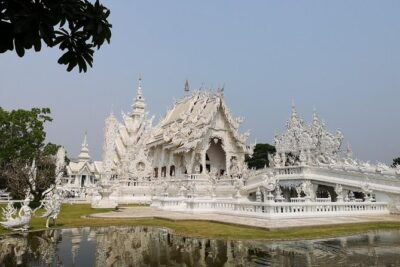
Chiang Rai Day Trip from Chiang Mai City with Golden Triangle
Read our review →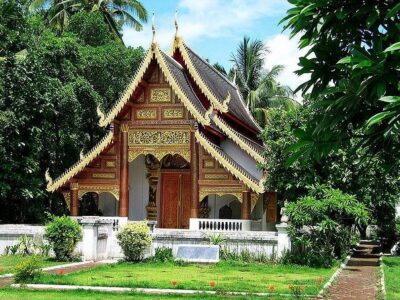
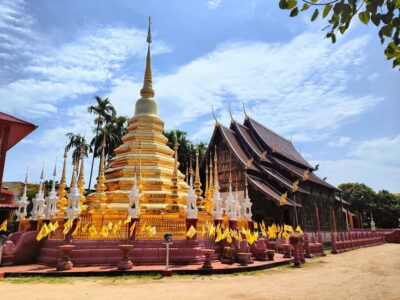
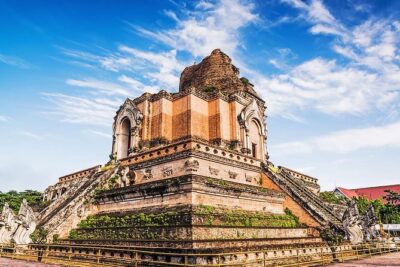
The Best City Tour View Points Wat Doi Suthep, Wat Chedi Luang and Wat Pha Lat
Read our review →
Browse the lists this tour appears in