
Reviewed · CITY TOURS
Chiang Mai: Private Tuk Tuk Tour of City Temples With Pickup
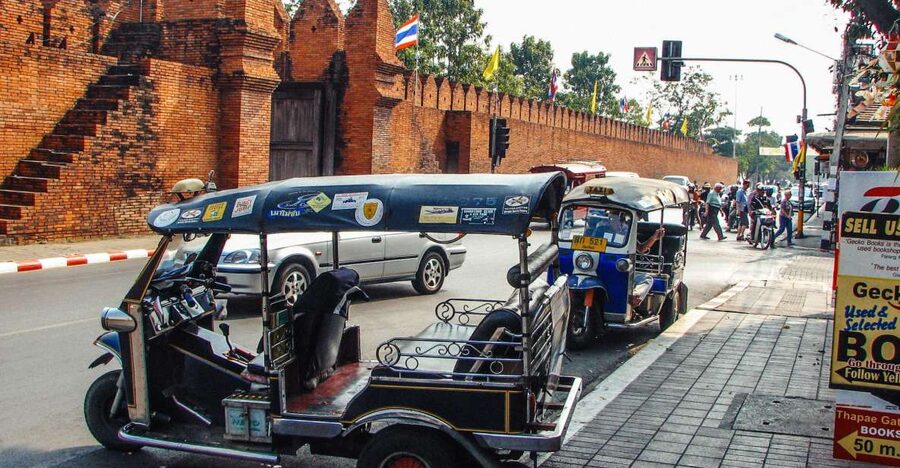
Chiang Mai’s old city is made for short hops, and a tuk tuk lets you cover its key temples without spending the morning marching through the heat. You’ll visit the 700-plus-year-old Wat Chedi Luang, see the Three Kings Monument and Tha Phae Gate, then finish among produce and snacks at Mueang Mai Market.
I like the personal attention of a small group capped at eight, and I like having a guide explain the Buddhist symbols, Lanna design, and local history rather than simply pointing at buildings. The tour also uses glass-bottle water and carbon offset credits. The tradeoff is pace: four hours covers a lot, but you may want more free time inside the temples.
In This Review
- Key points to know before booking
- Why a tuk tuk works so well in Chiang Mai’s old city
- Starting with Wat Chedi Luang and the old Lanna capital
- Three Kings Monument and Chiang Mai’s founding story
- Wat Phra Singh, northern Thai design, and quiet gardens
- Tha Phae Gate and a useful pause in the city
- Wat Sri Suphan, the Silver Temple
- Mueang Mai Market brings the tour down to earth
- How good is the four-hour schedule?
- Guides, drivers, and the human side of the experience
- Price, pickup, and what the $51 covers
- Small practical details that make the morning easier
- Should you book this Chiang Mai temple tour?
- FAQ
- How long does the Chiang Mai tuk tuk tour last?
- Which temples are included?
- Is hotel pickup included?
- Where do I meet the guide if my hotel is outside the pickup area?
- What language does the guide speak?
- What should I wear to the temples?
- Is the tour suitable for people with mobility impairments?
Key points to know before booking
- Wat Chedi Luang connects Chiang Mai with the Emerald Buddha: You see a replica of the famous statue’s former home and the remains of the great stupa.
- The tuk tuk is the star transport: It moves quickly between old-city sights and gives children and first-time visitors a fun taste of local travel.
- Guides bring the temples to life: Past guides have included Honey, James, Popcorn, Lee, Michele, and Vasit, with strong praise for history, Buddhism, and friendly explanations.
- The market adds everyday Chiang Mai: Mueang Mai Market is a useful counterpoint to the formal temples, with street food and local produce.
- Hotel pickup has tight boundaries: Free pickup covers central areas near Tha Phae Gate and parts of the Old City, Night Bazaar, Chang Klan Road, Thapae Road, and Wualai Road.
- Temple clothing matters: Sleeveless shirts are not allowed, and proper temple attire is required.
Why a tuk tuk works so well in Chiang Mai’s old city
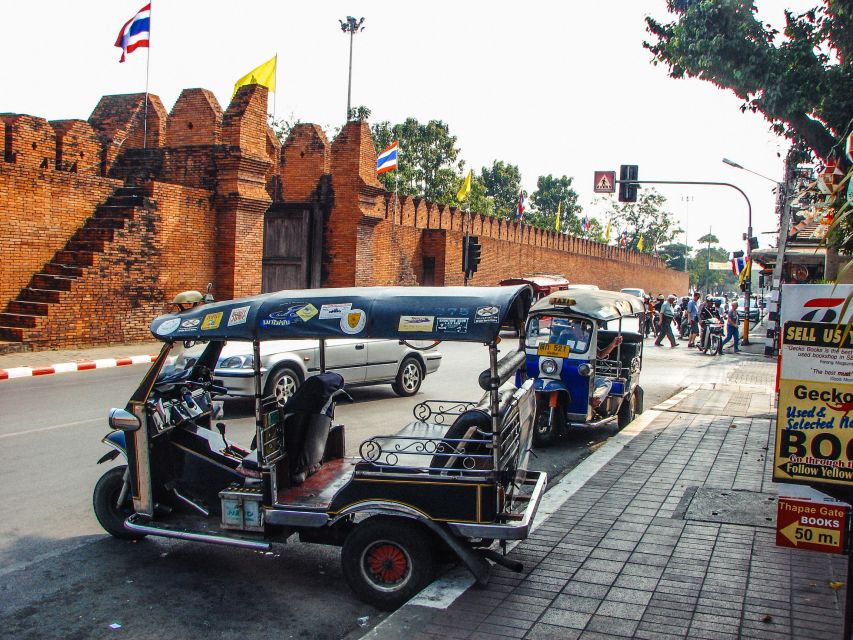
This is a smart introduction to Chiang Mai if you have only half a day. The old city’s temples are close together, but the heat, traffic, and scattered entrances can make independent sightseeing tiring. A tuk tuk handles the road connections while you save your energy for the temple courtyards.
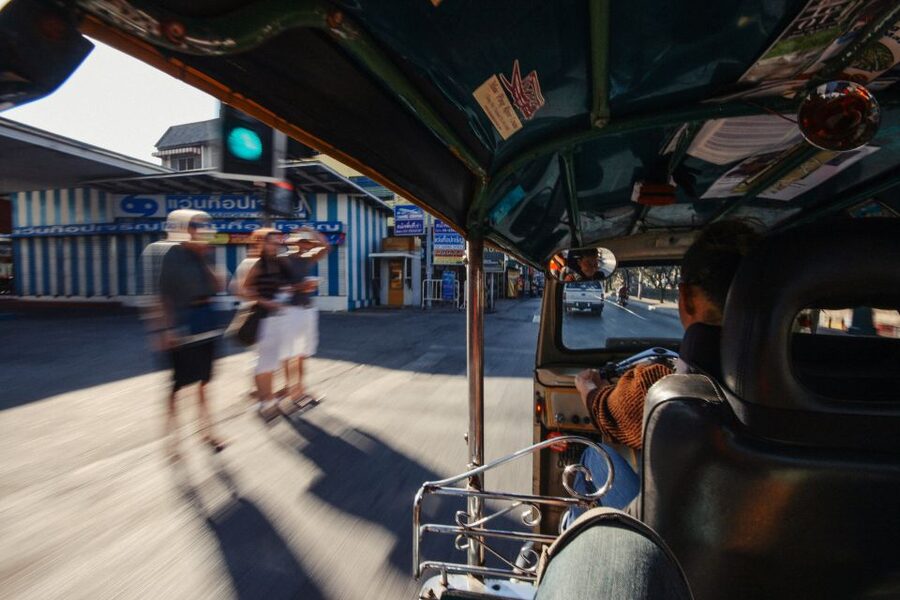
The transport also gives the outing a local feel. You are not sealed inside an air-conditioned van, so you hear the city and feel the short bursts of movement between stops. That comes with more road noise and less protection from sun or rain, but for a four-hour city tour, the tradeoff is reasonable.
The group limit is eight people, though the experience is described as private and is often arranged around your party. Clarify the exact vehicle setup if you are booking for a larger family or need extra room. The listed tuk tuk dimensions are 320 centimeters in width, 135 centimeters in length, and 188 centimeters in height, so anyone with mobility concerns should think carefully before booking.
A few more Chiang Mai half-days to weigh up
- Chiang Mai Temples and Market Tuk-Tuk Evening Night Tour
★ 4.5 · 201 reviews - Private Chiang Mai Old City Half Day Tuk Tuk Tour
★ 4.5 · 157 reviews - Full-Day Guided Tuk Tuk Chiang Mai Adventure and Rafting
★ 5.0 · 140 reviews
Starting with Wat Chedi Luang and the old Lanna capital
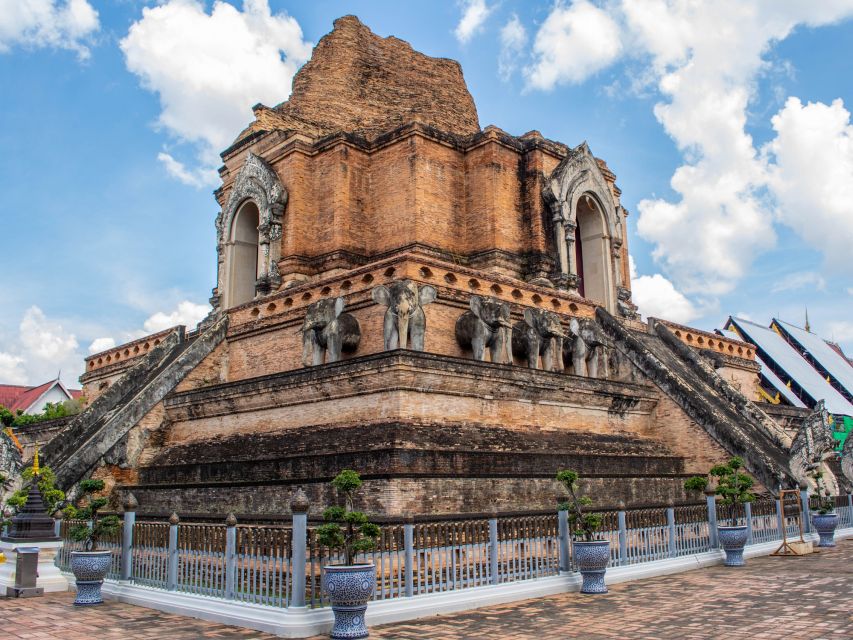
Wat Chedi Luang is the strongest opening stop. Its name means Temple of the Big Stupa, and the large, weathered structure gives you an immediate sense of Chiang Mai’s age. The temple dates back more than 700 years and is known for Lanna-style design, the northern Thai tradition that shapes much of Chiang Mai’s architecture.
The site is also tied to the Emerald Buddha, Thailand’s most revered Buddha image. The original statue once stood here before being moved elsewhere. You will see a replica donated by the Thai king, not the original image, but the connection helps explain why this temple matters beyond its impressive size.
The scheduled temple visit is listed as 15 minutes, which is brief. In practice, your guide may use that time for a focused explanation and a quick look around rather than a long, unhurried exploration. If you care most about photography or architectural details, ask your guide early if there is room to adjust the timing.
Wear clothing that covers your shoulders and knees, and choose shoes you can remove and put back on easily. Temple visits are not just photo stops. Your guide can help you understand when to walk quietly, where to sit, and how to behave around Buddha images.
Three Kings Monument and Chiang Mai’s founding story
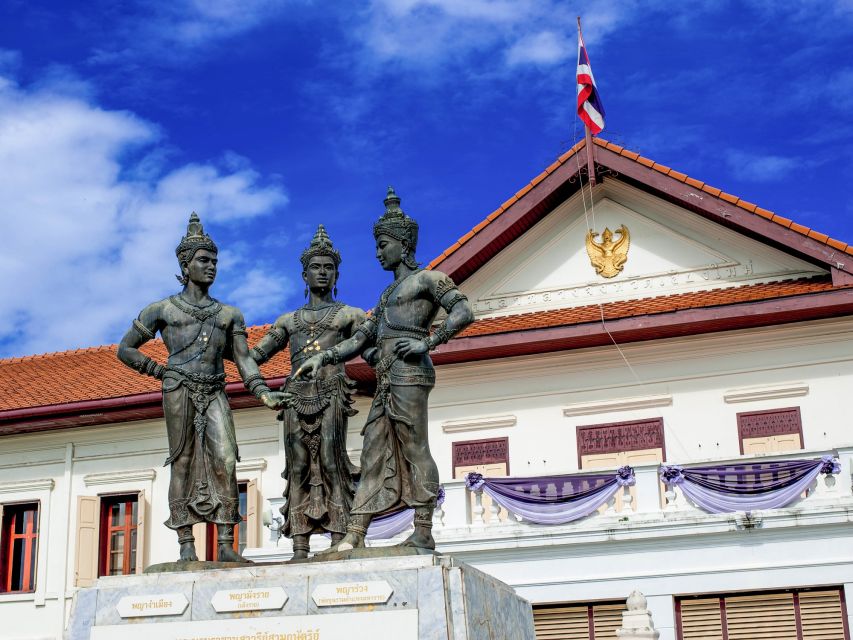
The Three Kings Monument is a compact stop with outsized importance. The three figures represent the founders of Chiang Mai, and the monument gives the city a clear civic symbol. It is a good place for a photograph, but its real value comes when your guide explains the city’s origin and the relationship among its founders.
The listed stop lasts 30 minutes, allowing time to look closely, take pictures, and hear the story without rushing. This is also where a strong guide makes a real difference. Guides such as James and Honey have been praised for explaining Thai history and Buddhism in clear, engaging ways, while former monk James has offered an especially personal perspective on religious life.
Do not expect a museum visit here. The monument itself is outdoors and relatively simple compared with the temples. Think of it as a short history lesson that helps you read the rest of the old city.
Wat Phra Singh, northern Thai design, and quiet gardens
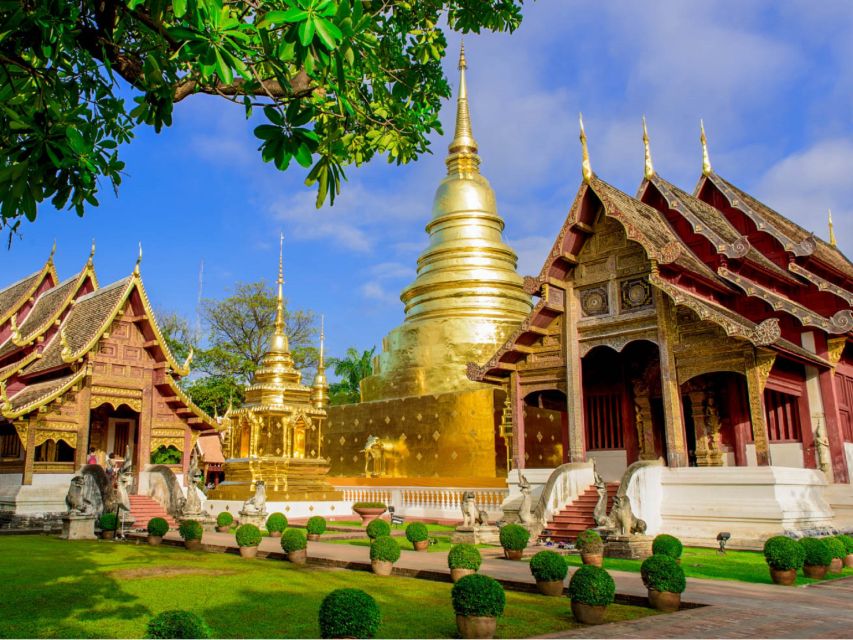
Wat Phra Singh is one of Chiang Mai’s most respected temples. Built in the 14th century, it is known for northern Thai decoration and carefully kept gardens. The setting is less about one huge structure and more about the relationship between buildings, ornament, religious images, and open space.
The supplied tour description includes Wat Phra Singh as a main temple visit, and entrance is included. The numbered schedule does not give it a separate time slot, so the exact order and length can vary. That is worth confirming if Wat Phra Singh is the temple you most want to study.
I would give your guide room to explain the details instead of racing from one building to the next. The strongest part of this experience is not ticking off four temple names. It is learning why Lanna roofs, carved details, gardens, and Buddha images look different from what you may see elsewhere in Thailand.
Same city, a completely different sort of day:
- Half-Day Thai Cooking Class at Organic Farm in Chiang Mai
★ 5.0 · 19,087 reviews - Chiang Mai: Elephant Sanctuary, Waterfall & Bamboo Rafting
★ 4.9 · 9,160 reviews - Chiang Mai: Doi Inthanon National Park Eco-Friendly Tour
★ 4.6 · 6,667 reviews - Chiang Mai: Elephant Sanctuary & Waterfall Group Tour
★ 4.9 · 5,780 reviews
Tha Phae Gate and a useful pause in the city
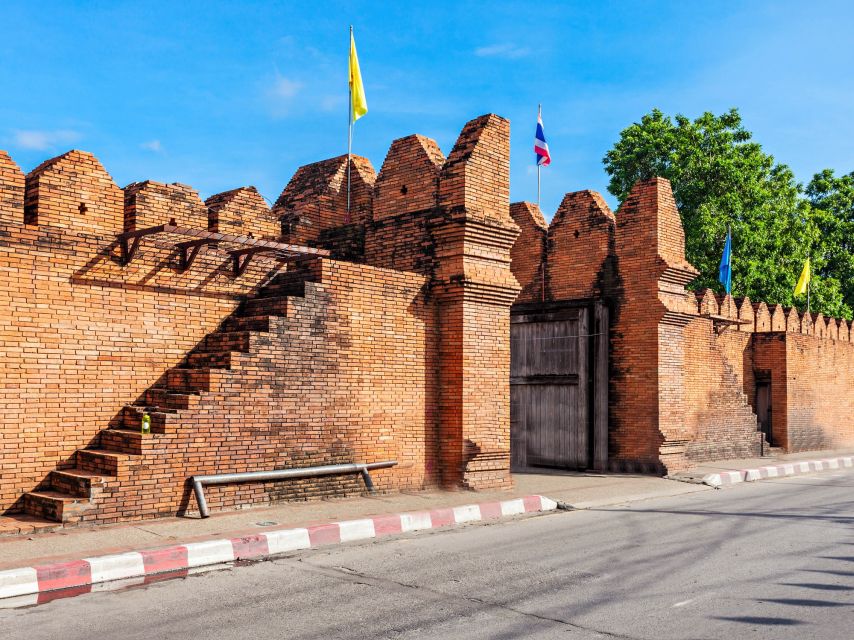
Tha Phae Gate was once part of the high brick defensive wall around Chiang Mai. Today, it is one of the city’s best-known meeting points, with restaurants, bars, hotels, and streets leading toward the Night Bazaar and markets.
The schedule allows up to an hour here, making it the longest stop. That does not mean you spend 60 minutes staring at the gate. Your guide may use the area to explain the old city’s layout, give you time for photos, or let you walk nearby.
This is also the fallback meeting point for anyone staying outside the free pickup zone. The location is in front of McDonald’s at Tha Phae Gate, where the guide holds a TripGuru sign. If you are staying farther out, build in time to reach this point on your own.
Tha Phae Gate can feel more commercial than the temple courtyards. I see that as useful rather than a flaw. It shows how Chiang Mai’s old defensive boundary now fits into daily urban life, with food, lodging, shopping, and traffic all gathered around it.
Wat Sri Suphan, the Silver Temple
Wat Sri Suphan is the tour’s most visually distinctive stop. Often called the Silver Temple, it is recognized for ornate silver-colored designs and decoration. The metalwork catches the eye in a way that differs from the red, gold, and painted details common at other Thai temples.
The stop is scheduled for 30 minutes, enough for a guided look and photographs. Ask what you are seeing rather than treating the silver finish as simple decoration. The value here lies in the craft and the local style, and your guide can point out elements you might otherwise overlook.
Temple rules apply here too. Proper clothing is required, and sleeveless shirts are specifically not allowed. Bring a light cover-up if you are sightseeing in hot weather. Comfortable shoes also matter because you will be stepping in and out of temple areas and walking on different surfaces.
Mueang Mai Market brings the tour down to earth
The final major stop is Mueang Mai Market, described as a food market where you can browse local produce and street food. Some descriptions also refer to Warorot Market or Muang Mai Street Market, so the exact market can depend on the day’s arrangements.
This is a welcome change of rhythm after several religious sites. Instead of looking at historic buildings, you see the ingredients and snacks that support everyday life in Chiang Mai. Bring cash for personal purchases, since personal expenses are not included.
Your guide may help you identify unfamiliar foods or suggest things to try. Several guides have made the market a social highlight, with small tastings and practical help. One guide introduced Thai treats, while another helped a family find coconut ice cream. These extras are not guaranteed, but the market is clearly intended as more than a quick drive-by.
Keep your expectations practical. This is not a cooking class or a formal food tasting, and you pay for anything you buy. It is a short market walk that gives the temple tour a more ordinary, local ending.
How good is the four-hour schedule?
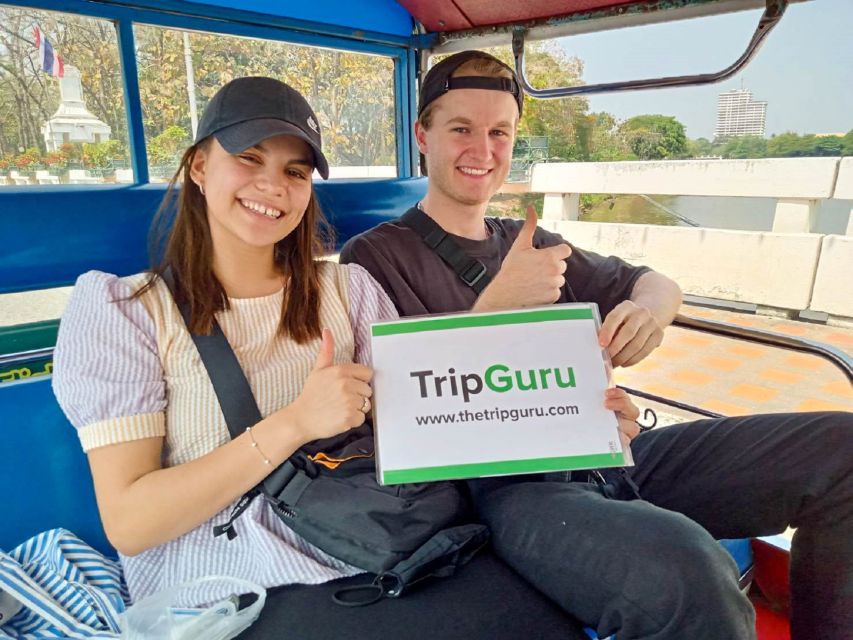
The tour is built as a half-day outing, with roughly 15 minutes of tuk tuk travel at the beginning and end, plus short rides between the central sights. That makes it easy to fit into a busy Chiang Mai schedule.
The main concern is pace. Some people have found the four hours passed too quickly or wished for more time at the temples. One person reported finishing about an hour early, while others found the length just right. This suggests that timing can depend on traffic, guide style, group needs, and how long you spend at each stop.
Tell your guide what matters most at the start. If you want photographs, say so. If you want Buddhist history, ask for more explanation. If you are traveling with children, mention that too. A guide who knows your interests can make a short tour feel much more personal.
The schedule works best as an introduction, not a full study of Chiang Mai’s temples. You will see the main highlights, learn the basic story of the old city, and leave with a better idea of where you want to return on your own.
Guides, drivers, and the human side of the experience
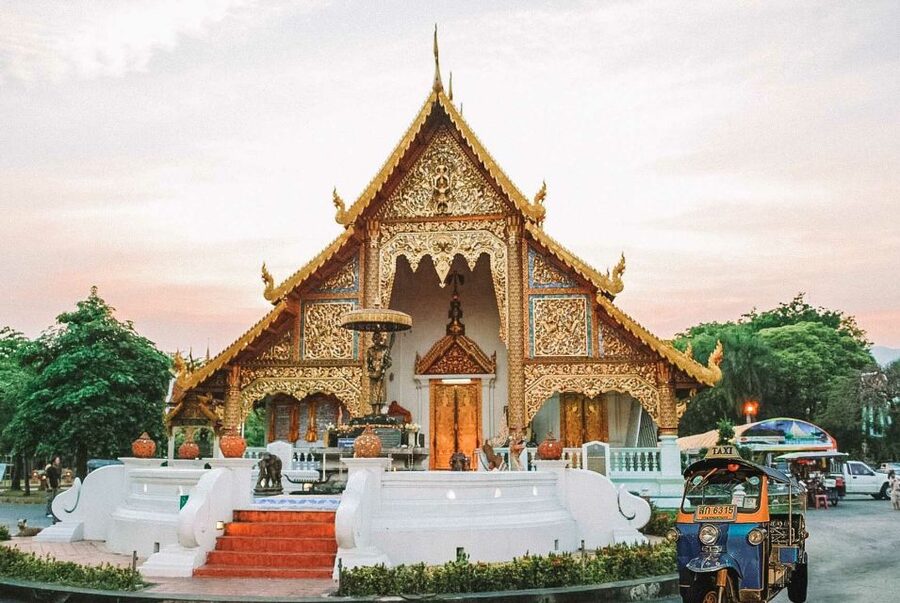
The guide is the most important part of this tour. English-speaking guides have included Michele, Alexandra, James, Vasit, Popcorn, Lee, Honey, Sunny, Leo, Hanee, Nancy, Ton, Tik, Ati, and others. The strongest praise centers on clear temple explanations, Thai history, Buddhism, personal stories, humor, and help with photographs.
Honey has been singled out for warmth and careful answers, while Popcorn was especially attentive to children and took photos and videos for one family. Leo helped a solo woman feel safe and offered ideas for the rest of her Thailand stay. Vasit was praised for adding Thai snacks and extra market help. These details point to the kind of service you can expect, but guide quality is naturally part of the day-to-day variation of any tour.
The tuk tuk drivers also matter. The experience pairs you with a separate driver, and several guides have been praised alongside drivers for safe, professional handling. You are riding in open-sided city transport, so road awareness is important, but the overall setup is designed for short urban transfers rather than long highway travel.
Price, pickup, and what the $51 covers
At $51 per person, this is not the cheapest way to see Chiang Mai’s old city. You can walk between many temples, and local tuk tuks hired one at a time may cost less. The price begins to make sense when you add hotel pickup, a private tuk tuk, English guiding, entrance fees to Wat Chedi Luang, Wat Phra Singh, and Wat Sri Suphan, water, accident insurance, and carbon offset credits.
You are paying for orientation and interpretation as much as transport. For a first morning in Chiang Mai, that can be good value. You avoid sorting out temple entrances, finding each site, and explaining local customs to yourself.
Pickup is free from central hotels and registered accommodations within about two kilometers of Tha Phae Gate, plus parts of Chang Klan Road, Thapae Road, Wualai Road, the Night Bazaar area, Ton Lam Yai Market, and Kad Luang. Roadsides and shopping malls are not pickup locations. If your hotel is outside the area, meet at Tha Phae Gate in front of McDonald’s.
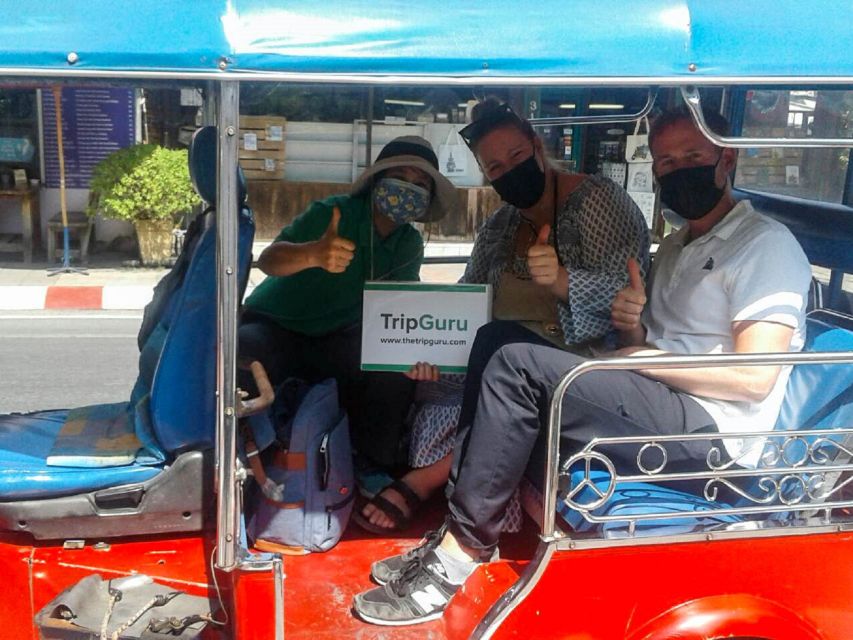
The operator sends pickup details by email the evening before. Be in your hotel lobby 10 minutes early and look for the guide holding a TripGuru sign.
Small practical details that make the morning easier
Bring comfortable shoes, a camera, water, and cash. One bottle of drinking water is included, but an extra supply is sensible in Chiang Mai’s heat.
Dress for temple visits from the start. Sleeveless shirts are not allowed, and proper temple attire is required. A loose shirt that covers the shoulders and longer trousers or a skirt will save you the trouble of finding a cover-up.
This tour is not suitable for people with mobility impairments. You will need to get into and out of a tuk tuk and walk around temple and market areas. If you have limited mobility, ask the operator directly about your needs before paying.
Cancellation is free up to 24 hours before the activity for a full refund, and you can reserve now and pay later. Those terms are useful if your Chiang Mai plans are still shifting.
Should you book this Chiang Mai temple tour?
Book it if you want a well-organized first look at the old city, prefer a guide to explain the temples, and like the fun of moving by tuk tuk. It is especially suitable for first-time visitors, families who want to limit walking, and solo visitors who want a structured outing with hotel pickup.
Skip it if you want long, quiet periods at each temple, prefer to set your own pace, or already know Chiang Mai’s central sights well. Four hours is enough for a strong introduction, but not enough for slow photography, extended prayer observation, and detailed exploration of every building.
For most people, the value comes from the guide. Ask for more time at your favorite temple, keep a little cash for the market, and dress properly from the moment you leave your hotel. With those expectations, this is a lively and practical way to get your bearings in Chiang Mai.
FAQ
How long does the Chiang Mai tuk tuk tour last?
The tour lasts four hours, including tuk tuk transfers and visits to the city temples, historic sites, and market.
Which temples are included?
The experience includes Wat Chedi Luang, Wat Phra Singh, and Wat Sri Suphan. Entrance fees for all three are included.
Is hotel pickup included?
Yes. Pickup and drop-off are included from hotels and registered accommodations in central Chiang Mai, within two kilometers of Tha Phae Gate, and in specified areas near the Old City Wall, Night Bazaar, Chang Klan Road, Thapae Road, Wualai Road, Ton Lam Yai Market, and Kad Luang.
Where do I meet the guide if my hotel is outside the pickup area?
Meet at Tha Phae Gate in Chiang Mai Old City, in front of McDonald’s. Your guide will hold a TripGuru sign.
What language does the guide speak?
The tour is conducted in English by a live local guide.
What should I wear to the temples?
Wear proper temple attire. Sleeveless shirts are not allowed. Comfortable shoes are also recommended.
Is the tour suitable for people with mobility impairments?
No. The experience is listed as unsuitable for people with mobility impairments.
Just added around Chiang Mai
- Chiang Rai Wonders: White, Blue & Red Temples and Hot Spring★ 5.0 · 3 reviews
- Chiang Rai White Temple Blue Temple and Hill Tribe Village Tour★ 3.5 · 3 reviews
- Private Chiang Mai City Tour including Wat Doi Suthep, Wat Suan Dok (SHA Plus)★ 5.0 · 3 reviews
- Workshop Making Herbal ball & herbal inhaler★ 4.3 · 3 reviews
- Chiang Mai Mae Ping River Cruise and Thai Farmer House Visit★ 4.0 · 3 reviews
- Phoenix Zipline Adventure Park – Chiang Mai Thrills★ 4.0 · 3 reviews
- Monk trails hike, Wat Phalat, Monk chanting, Wat Doi Suthep.★ 5.0 · 3 reviews
- Tok Sen Massage at Fah Lanna Spa in Chiang Mai★ 4.5 · 3 reviews
City Tours, compared.
3 Hour Old City and Temples Guided Walking Tour
Read our review →
Chiang Rai Day Trip from Chiang Mai City with Golden Triangle
Read our review →
The Best City Tour View Points Wat Doi Suthep, Wat Chedi Luang and Wat Pha Lat
Read our review →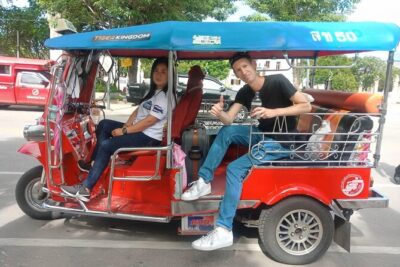
Browse the lists this tour appears in