
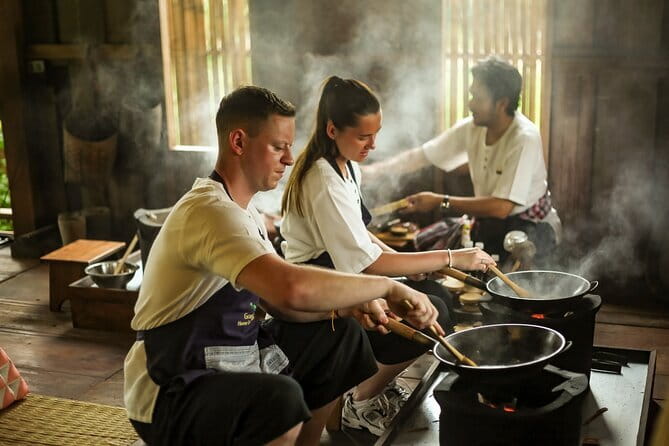
Reviewed · FOOD & DRINK
Cook Local Northern Thai Food in Traditional House
Northern Thai cooking gets far more interesting when you see where its ingredients come from. This seven-hour Chiang Mai experience takes you from a local market to an organic farm, then into a traditional-style cooking space for five dishes made with charcoal, a millstone, and a hand-operated coconut grater.
I like the small group size, capped at six, and the way the day connects shopping, farming, and cooking instead of dropping you straight at a classroom stove. I also like the hands-on work, especially collecting eggs, lighting the charcoal grill, and making coconut milk from fresh coconut.
The main consideration is that this is a full day, not a quick class. The setting is a cooking school rather than a real grandmother’s private kitchen, so you should book it for the food and old methods, not for a staged family-home visit.
In This Review
- Key points at a glance
- Why this Chiang Mai class is different
- 9:00 a.m. pickup and the trip to the market
- Picking herbs and eggs at the organic farm
- Five dishes from northern sausage to young jackfruit
- Charcoal, stone, and coconut by hand
- Lunch, dessert, and the payoff of a long morning
- What the $57.99 price covers
- Who should book this cooking class?
- Is Grandma’s Home Cooking School worth booking?
- FAQ
- How long does the cooking experience last?
- Does the price include hotel transportation?
- How many dishes will I learn to cook?
- Is lunch included?
- Can the class accommodate special dietary requirements?
- What is the cancellation policy?
Key points at a glance
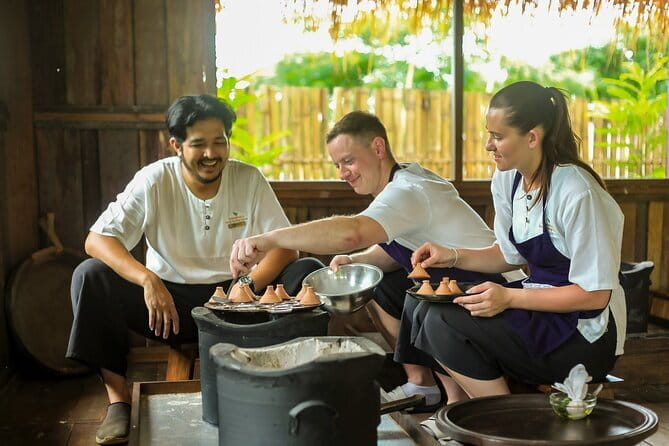
- Five Northern Thai dishes: Prepare northern sausage, a choice of Nam Prik Ong or Nam Prik Num, northern pork belly curry, curry with young jackfruit, and Thai coconut pancakes.
- Market to farm to table: Learn about seasonings at a local market, then pick herbs and vegetables and collect eggs at an organic farm.
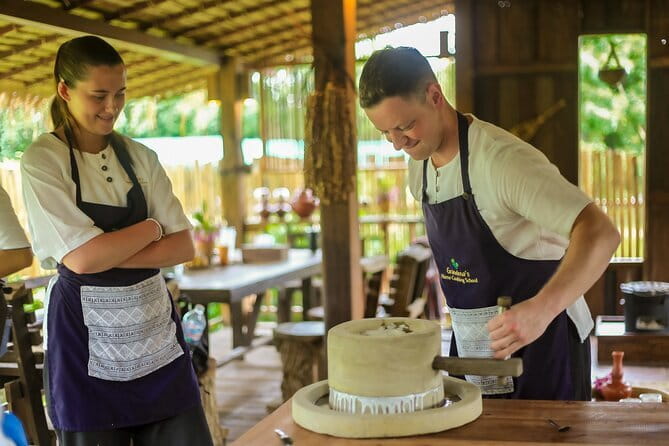
- Old tools, real work: Light a charcoal grill, mill flour with a traditional stone mill, and grate coconut by hand.
- Small class, full schedule: The maximum is six people, with about seven hours from pickup to return.
- Lunch is what you cook: Your midday meal includes the dishes prepared during class, followed by Thai sweets and refreshments.
- Good value at $57.99: The price includes hotel transfers, food, instruction, dessert, refreshments, and an e-recipe book.
Why this Chiang Mai class is different
Many Thai cooking classes focus on a quick market stop and a tidy demonstration kitchen. This one gives you more time to understand the work behind the food. You do not just see herbs in labeled baskets. You learn about them at a local market, find some on a farm, and then use them in dishes built from the ground up.
That matters most with northern Thai food. Northern cuisine has its own seasonings, sausage, curries, chili dips, and vegetable combinations. A dish such as Nam Prik Ong or Nam Prik Num is not simply a generic Thai dip. The market and farm visits help you connect the finished dish with the raw ingredients.
I also appreciate the slower pace. Seven hours allows room for washing vegetables, preparing several dishes, eating lunch, and trying traditional methods that would be skipped in a rushed class. The tradeoff is obvious: if you want one curry and a quick recipe card, this will feel too long.
The school is called Grandma’s Home Cooking School, but you should set your expectations correctly. The experience is designed around traditional methods and a home-style feel, yet it is still a purpose-built cooking school rather than an actual grandmother’s kitchen. That is not a flaw, but it is useful to know before booking.
More food tours in Chiang Mai:
- Small-Group Chiang Mai Evening Street Food Tour
★ 4.5 · 826 reviews - Chiang Mai: Evening Local Street Food Market Tour
★ 4.8 · 604 reviews - Northern Flavours Chiang Mai Food Tour with 15+ Tastings
★ 5.0 · 513 reviews
9:00 a.m. pickup and the trip to the market
The day starts at 9:00 a.m., with round-trip transfers from your hotel included. That removes one of the annoying parts of booking a cooking class in Chiang Mai: figuring out how to reach a school outside the central streets and how to get back after a large meal.
Pickup details can affect your morning, so check the meeting information at booking. The experience offers hotel transfers, but the supplied information does not specify every pickup area or a fixed return time. Plan for the activity to occupy most of the day, not just the stated cooking hours.
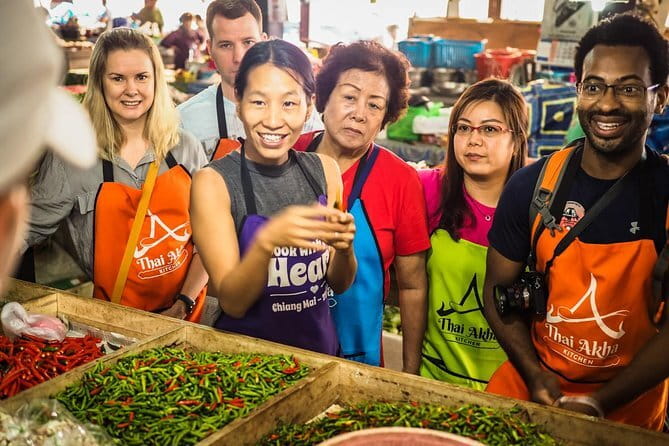
Your first stop is a local market. This is a useful start because the instructor can explain the seasonings and ingredients before you begin cooking. You get a clearer idea of what northern Thai food uses and how the ingredients appear before they are trimmed, chopped, or mixed into a curry paste.
Do not expect a sightseeing market tour with lots of free time. The market visit serves the cooking lesson. Pay attention to the names, smells, colors, and textures of the items your instructor points out. If you want to recreate the food at home, this is where you begin learning which ingredients matter and which substitutes might be reasonable.
The class uses English-speaking instructors, so you can ask questions as you go. The experience accommodates special dietary requirements, but tell the provider in advance. A menu built around sausage, pork belly, curry, and chili pastes may need planning if you avoid meat, dairy, eggs, coconut, or spicy food.
Picking herbs and eggs at the organic farm
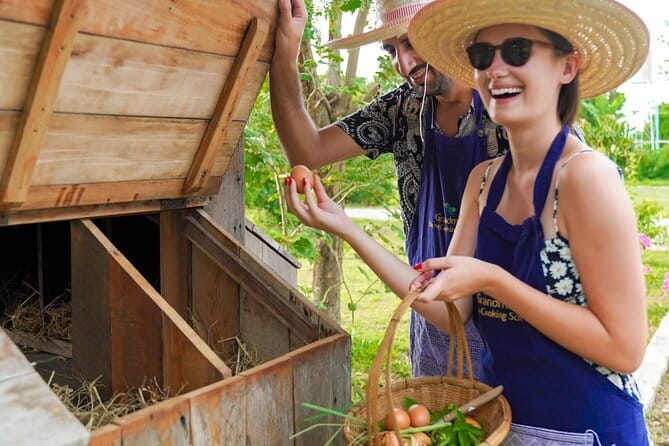
After the market, you visit an organic farm. The farm tour adds a practical layer to the class. You learn about Thai herbs and vegetables, pick ingredients for the dishes, and visit the chicken coop to collect eggs.
This part should appeal to anyone who wants more than a standard cooking demonstration. It gives you a direct sense of how local produce fits into the meal. The work is simple, but it changes the rhythm of the day. You move from buying food to gathering it, then prepare it yourself.
The farm also makes the class more suitable for families and curious first-time cooks. Children under 12 are welcome as visitors, though the data does not state the minimum age for active participation. If you are booking with a child, confirm how much of the cooking the child can join.
The practical drawback is timing. A market, farm, kitchen session, lunch, and dessert tasting fill seven hours quickly. Anyone who tires easily in hot weather or prefers a short morning activity should consider the length carefully. You will get more from this class if you arrive ready for a full day of moving, preparing, cooking, and eating.
Five dishes from northern sausage to young jackfruit
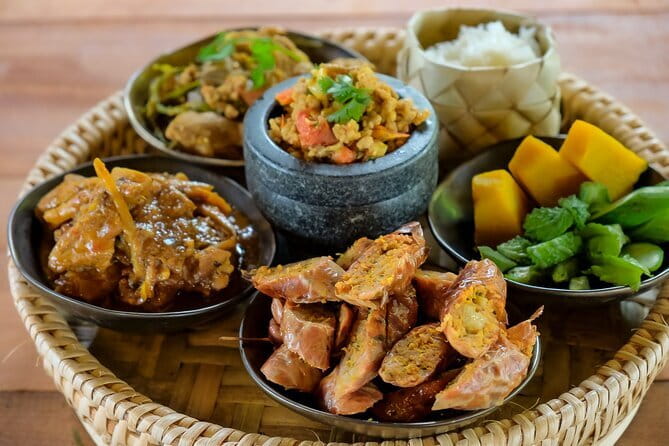
The cooking menu gives you a broad look at northern Thai food rather than repeating one style of dish. You prepare Northern Thai Sausage, Nam Prik Ong or Nam Prik Num, Northern Pork Belly Curry, Curry Young Jackfruit, and Thai coconut pancakes.
Northern sausage gives you a chance to work with one of the region’s best-known specialties. The class does not simply serve it at lunch. You learn to make it, which helps you understand its seasoning and preparation.
For the chili dip, the menu offers Nam Prik Ong or Nam Prik Num. The information does not explain how the choice is assigned, so ask your instructor which one you will make. Both are useful introductions to the northern tradition of serving strongly seasoned mixtures with vegetables and other accompaniments.
Northern pork belly curry brings a heavier, more filling dish to the table. Curry with young jackfruit adds a different texture and shows how a vegetable ingredient can carry a central role in a northern meal. Together, the two curries make the menu feel like a real lunch rather than a collection of small practice dishes.
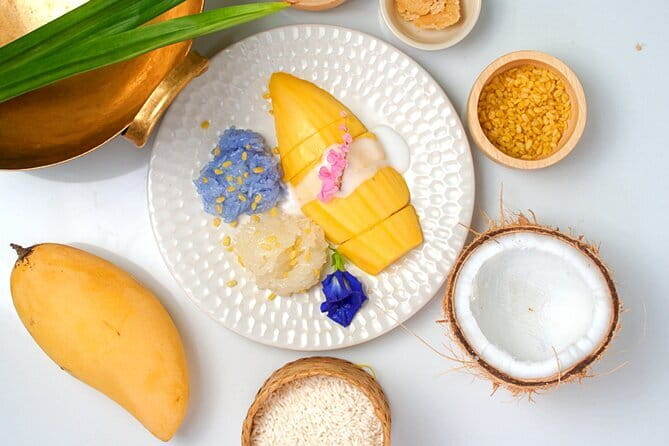
The final item, Thai coconut pancakes, brings sweetness to the class. Making dessert yourself also creates a pleasant change after the savory dishes. The menu is meat-heavy, but special dietary requirements can be accommodated, so contact the school before arrival rather than hoping for an easy switch on the day.
Same city, a completely different sort of day:
- Half-Day Thai Cooking Class at Organic Farm in Chiang Mai
★ 5.0 · 19,087 reviews - Chiang Mai: Elephant Sanctuary, Waterfall & Bamboo Rafting
★ 4.9 · 9,160 reviews - Chiang Mai: Doi Inthanon National Park Eco-Friendly Tour
★ 4.6 · 6,667 reviews - Chiang Mai: Elephant Sanctuary & Waterfall Group Tour
★ 4.9 · 5,780 reviews
Charcoal, stone, and coconut by hand
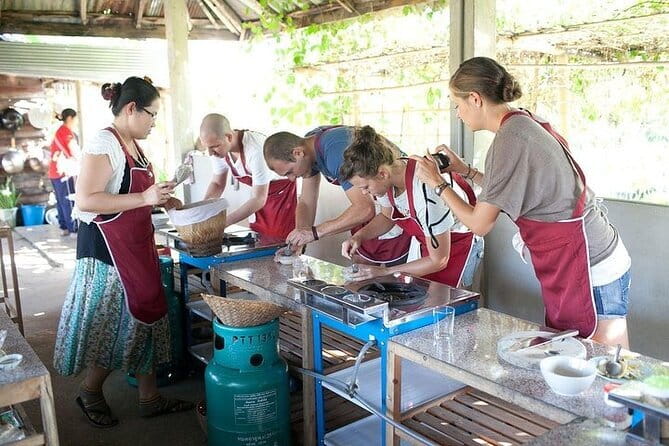
The most memorable part for many people will be the traditional equipment. You learn to light a charcoal grill, wash and prepare vegetables, mill flour with a traditional millstone, and grate coconut meat with a coconut grater.
These steps take longer than using modern kitchen appliances. That is the point. A millstone makes flour preparation feel physical and deliberate. A coconut grater shows how fresh coconut becomes part of a dish instead of arriving in a carton. Lighting charcoal also gives you a better sense of how cooking over coals affects the pace of preparation.
I like this approach because it turns food history into a task you can feel. You are not just told that older Thai kitchens used charcoal or fresh coconut. You handle the tools and see why preparation took time.
There is a small risk of romanticizing old methods. Traditional does not always mean easier or better, and the school setting cannot reproduce every detail of household cooking. Still, these techniques make the class more distinctive than one built around pre-portioned ingredients and electric burners.
The cooking space is described as clean and safe, which is important when you are working with charcoal, several dishes, and a group. The maximum of six people should also make it easier to receive direct instruction than in a large class.
Lunch, dessert, and the payoff of a long morning
Lunch is included, and you eat the food prepared during the class. This is the point where the market visit, farm tour, chopping, grinding, and cooking come together.
A meal you have made yourself is not automatically better than restaurant food. What makes it worthwhile here is the connection between the finished plate and the work behind it. You have seen the ingredients, handled the tools, and followed the dishes from raw produce to lunch.
The menu should leave you well fed. Sausage, pork belly curry, jackfruit curry, chili dip, and pancakes add up to a substantial spread. If you prefer a lighter meal, pace yourself during the cooking and remember that a dessert session follows lunch.
The dessert and refreshment session includes traditional Thai sweets and drinks. It gives you another chance to taste something outside the main menu and breaks up the savory food. The welcome refreshments and snacks on arrival are also included.
Alcohol is not included. That is easy to overlook when comparing cooking classes, but it is not a serious drawback for a daytime food lesson. Budget for your own alcoholic drinks only if you specifically want them, and do not assume they are part of the package.
What the $57.99 price covers
At $57.99 per person, this class offers solid value if you use the full day. The fee includes hotel pickup and return, market and farm visits, English-language instruction, five dishes, lunch, dessert, refreshments, and an e-recipe book.
Transfers alone add useful value, especially if the school is outside your hotel area. You also avoid buying separate meals during the activity. The e-recipe book gives the class a life beyond Chiang Mai, although recreating every dish at home may require finding comparable herbs, chilies, coconut, and other ingredients.
The price makes less sense if you plan to leave early or dislike hands-on work. You are paying for a long sequence of activities, not only for a cooking lesson. The class is best for someone who wants a full cultural food day and is willing to spend the morning working for lunch.
Booking data shows that this experience is often reserved about 44 days ahead. That suggests you should not leave it until the last day of your Chiang Mai planning, particularly since the class accepts no more than six people. The current rating is 5 out of 5 from 15 ratings, with a 100 percent recommendation rate. That is encouraging, though the sample is small.
Who should book this cooking class?
I would point this class toward food-focused visitors who want context as well as recipes. It suits you if you enjoy markets, farms, traditional tools, and a relaxed full-day schedule.
It is also a good choice for couples, friends, and small families who want personal instruction. Six people is a manageable limit, and English-speaking teachers can explain ingredients and methods as you work.
You may prefer another class if you want a polished restaurant-style kitchen, a short lesson, or a menu built around one signature dish. The school is clean and safe, but the experience is not a private visit to a real family home. Its appeal comes from the activities and old techniques.
People with dietary needs can request adjustments, but you should communicate those needs before the class. The stated menu includes several meat dishes, eggs, coconut, and spicy northern preparations, so advance notice is especially important.
Free cancellation is available if you cancel at least 24 hours before the start time. Changes or cancellations inside that window are not accepted for a refund.
Is Grandma’s Home Cooking School worth booking?
Yes, if you want a substantial Chiang Mai food experience rather than a basic recipe lesson. The combination of market shopping, farm picking, charcoal cooking, fresh coconut work, five northern dishes, and a shared lunch gives the day real range.
Book it with clear expectations. You are joining a traditional-style cooking school, not entering a private grandmother’s kitchen. The class takes about seven hours and includes plenty of food, so it demands time and appetite.
For $57.99, I consider it a strong pick for curious cooks, especially with transfers and the small six-person limit included. If the idea of making Northern Thai sausage, grinding flour, and collecting eggs sounds better than simply watching someone cook, this is the class to choose.
FAQ
How long does the cooking experience last?
The experience lasts approximately seven hours and starts at 9:00 a.m.
Does the price include hotel transportation?
Yes. Round-trip transfers to and from your hotel are included.
How many dishes will I learn to cook?
You will learn to cook five traditional Northern Thai dishes: Northern Thai Sausage, Nam Prik Ong or Nam Prik Num, Northern Pork Belly Curry, Curry Young Jackfruit, and Thai coconut pancakes.
Is lunch included?
Yes. Lunch includes the food you prepare during the class. Traditional Thai desserts, refreshments, welcome snacks, and a drink are also included.
Can the class accommodate special dietary requirements?
Yes. The activity can accommodate special dietary requirements. Contact the provider before the class so the necessary arrangements can be made.
What is the cancellation policy?
You can cancel at least 24 hours before the experience starts for a full refund. Cancellations or changes made less than 24 hours before the start time are not accepted for a refund.
Just added around Chiang Mai
- Chiang Rai Wonders: White, Blue & Red Temples and Hot Spring★ 5.0 · 3 reviews
- Chiang Rai White Temple Blue Temple and Hill Tribe Village Tour★ 3.5 · 3 reviews
- Private Chiang Mai City Tour including Wat Doi Suthep, Wat Suan Dok (SHA Plus)★ 5.0 · 3 reviews
- Workshop Making Herbal ball & herbal inhaler★ 4.3 · 3 reviews
- Chiang Mai Mae Ping River Cruise and Thai Farmer House Visit★ 4.0 · 3 reviews
- Phoenix Zipline Adventure Park – Chiang Mai Thrills★ 4.0 · 3 reviews
- Monk trails hike, Wat Phalat, Monk chanting, Wat Doi Suthep.★ 5.0 · 3 reviews
- Tok Sen Massage at Fah Lanna Spa in Chiang Mai★ 4.5 · 3 reviews
Food & Drink, compared.
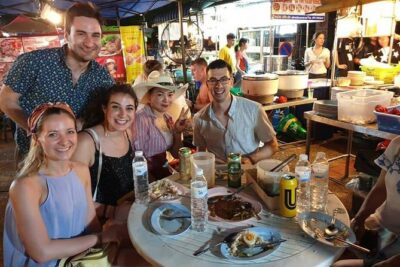
Small-Group Chiang Mai Evening Street Food Tour
Read our review →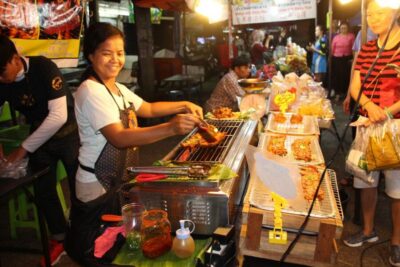
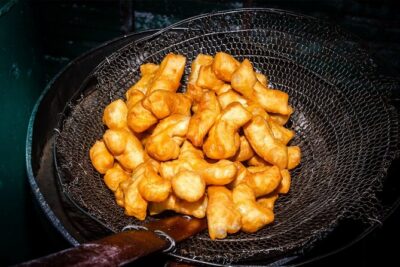
Northern Flavours Chiang Mai Food Tour with 15+ Tastings
Read our review →
The 10 Tastings of Chiang Mai With Locals: Private Street Food Tour
Read our review →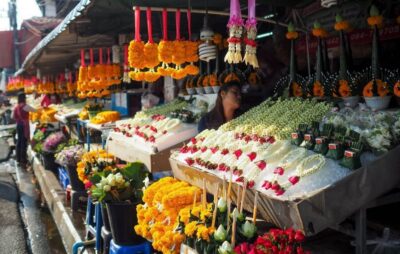
Taste of Chiang Mai: Michelin Guide & Street Food Tour
Read our review →
Go where the locals go, Eat what the locals eat! Food Tour with Local Foodies
Read our review →Browse the lists this tour appears in