
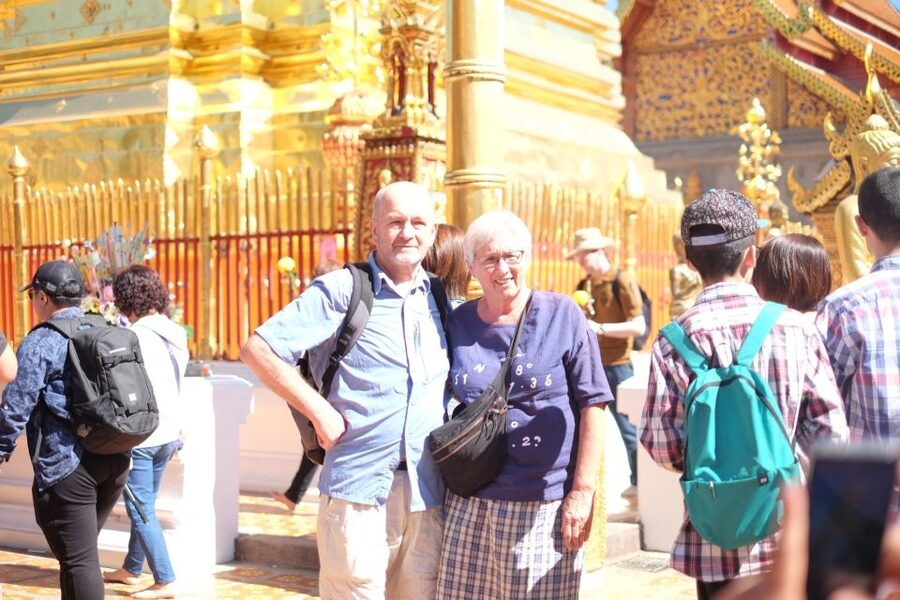
Reviewed · DOI SUTHEP TEMPLE TOURS
4-Hour Doi Suthep & Hmong Hill Tribe Village from Chiang Mai
Doi Suthep is Chiang Mai’s essential mountain visit, but this half-day trip adds a useful second stop: Doi Pui Hmong Village. You get a look at village life, a museum visit, market stalls, and perhaps local coffee before heading to the gold-topped temple and its sweeping view of the city.
I like two things here. First, the small nine-person group keeps the outing personal, and guides such as Pookie, Pae, Tui, and Nut are praised for explaining Buddhism and northern Thai culture clearly. Second, the included cable car gives you a way around the 309 steps. The main caution is that the mountain view can disappear in fog, rain, or Chiang Mai’s smoky season.
In This Review
- Key points to know before booking
- Why this four-hour mountain trip works
- Doi Pui Hmong Village: more than a quick photo stop
- Wat Phra That Doi Suthep and the 309-step choice
- What the guide adds to the experience
- Transport, timing, and the real pace
- Clothing, walking, and who should skip it
- Best time to choose the morning or afternoon
- Should you book this Doi Suthep tour?
- FAQ
- How long does the Doi Suthep and Hmong village tour last?
- Where is hotel pickup available?
- Is the cable car to Doi Suthep included?
- What should I wear?
- Is this tour suitable for wheelchair users?
- What is included in the $36 price?
Key points to know before booking
- Two very different mountain stops: Doi Pui offers village life, a museum, gardens, food, coffee, and shops, while Doi Suthep gives you sacred architecture and city views.
- A short, well-planned outing: The four-hour schedule works well if you want to leave room for lunch, another temple, or an evening activity.
- Small-group transport: You ride in a nine-seat air-conditioned minivan, with hotel pickup within 6 kilometers of the Three Kings Monument.
- The guide makes the difference: The strongest part of the experience is the cultural explanation, especially at the temple.
- You can avoid most of the staircase: The cable car is included, though visitors who want the classic pilgrimage approach can climb the 309 steps.
- Dress and footwear matter: Wear long pants and a shirt covering your shoulders, plus comfortable shoes for village paths and temple floors.
Why this four-hour mountain trip works
For $36 per person, this is a practical way to cover Chiang Mai’s most famous mountain sight without arranging a private car. Transportation, an English-speaking guide, entry fees, the cable car, drinking water, a refreshing towel, and travel accident insurance are included.
That price is especially fair if you are traveling alone or as a couple. A private taxi may give you more control, but it will not automatically provide the same explanation of Buddhist symbols, local life, and the Hmong community. Here, the guide turns a scenic outing into a cultural lesson.
The schedule is available in the morning or afternoon. Morning pickup is around 8:00 to 8:30 a.m., with a return near noon. Afternoon pickup is around 1:00 to 1:30 p.m., returning around 5:00 p.m.
I prefer the morning departure because you finish before the day gets too hot and have the rest of the day in Chiang Mai. The afternoon option can suit you if you arrive late, want a slow morning, or plan to visit the Old City first.
The drive takes about 45 minutes each way. That is not wasted time. The road climbs through Doi Suthep-Pui National Park, and guides often use the drive to explain the area and the stops ahead. The road is narrow and winding, so a good driver matters. Several guides and drivers are praised for handling the mountain route carefully.
More Doi Suthep temple tours:
- Chiang Mai: Doi Suthep and Wat Umong Enchanting Evening Tour
★ 4.6 · 1,811 reviews - Chiang Mai: Doi Suthep, Wat Umong, and Pha Lat Sunrise Tour
★ 4.7 · 1,425 reviews - Chiang Mai: Wat Pha Lat & Wat Phra That Doi Suthep Tour
★ 4.8 · 1,207 reviews
Doi Pui Hmong Village: more than a quick photo stop
The first main stop is Doi Pui Hmong Hill Tribe Village. You visit the museum and walk through the village, where you can see local housing, small gardens, clothing, crafts, jewelry, and food stalls.
The museum gives you a starting point for understanding Hmong life and traditions. The guide can add context that a quick walk alone would miss, including information about the people who live in the area and the way the village has developed around visitors.
This stop has a mix of everyday life and tourism. You may see locally made textiles, clothing, silver items, and handmade goods, but you will also find standard souvenirs. That does not make the village worthless, though it is useful to know what kind of place this is. It is a living community with a market, not a preserved open-air museum.
The village has several pleasant details. You might see a garden, learn about local coffee growing, or stop for a cup of coffee. Some food discoveries are part of the fun. Dried mango and sugared strawberries with chili sugar have received particular praise from people who enjoy trying local snacks.
If you want to shop, bring a small backpack. The stalls can be tempting, and a bag is easier than carrying several small purchases. Use normal market judgment with jewelry and other high-priced goods. One visitor specifically cautioned about silver rings offered at prices of about $120 to $150, so ask questions and buy only if you are comfortable with the value.
The amount of walking is moderate, but village paths and uneven surfaces may require care. You will have time to explore, though the exact pace depends on the group and the guide. One useful point from the tour’s strongest reports is that guides generally allow time for browsing, photographs, and questions rather than rushing everyone from one stop to the next.
Wat Phra That Doi Suthep and the 309-step choice
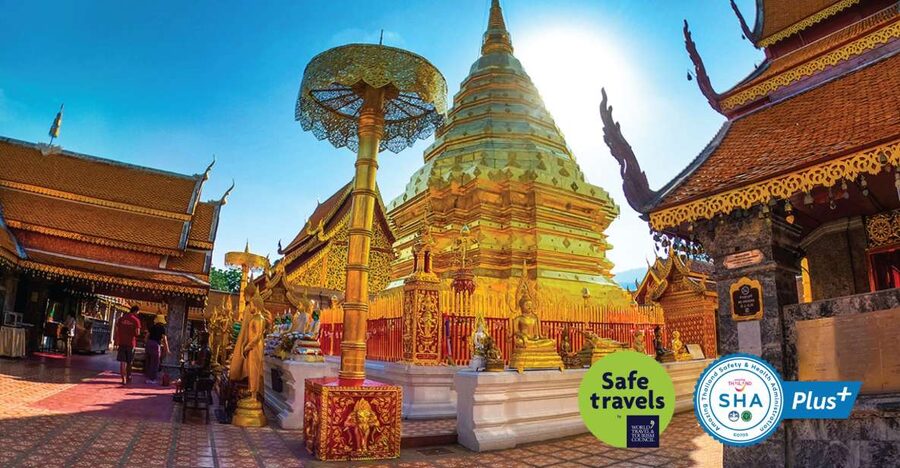
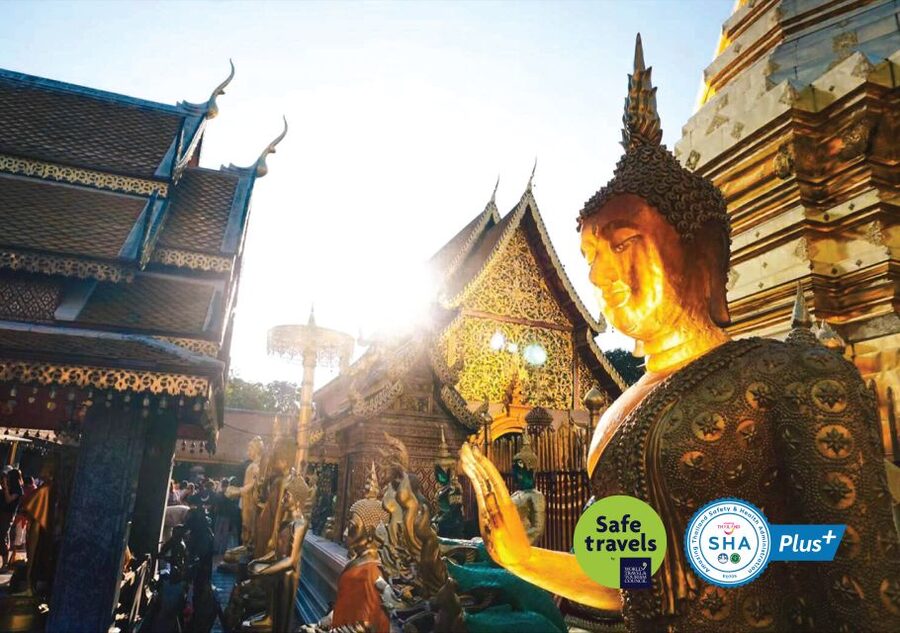
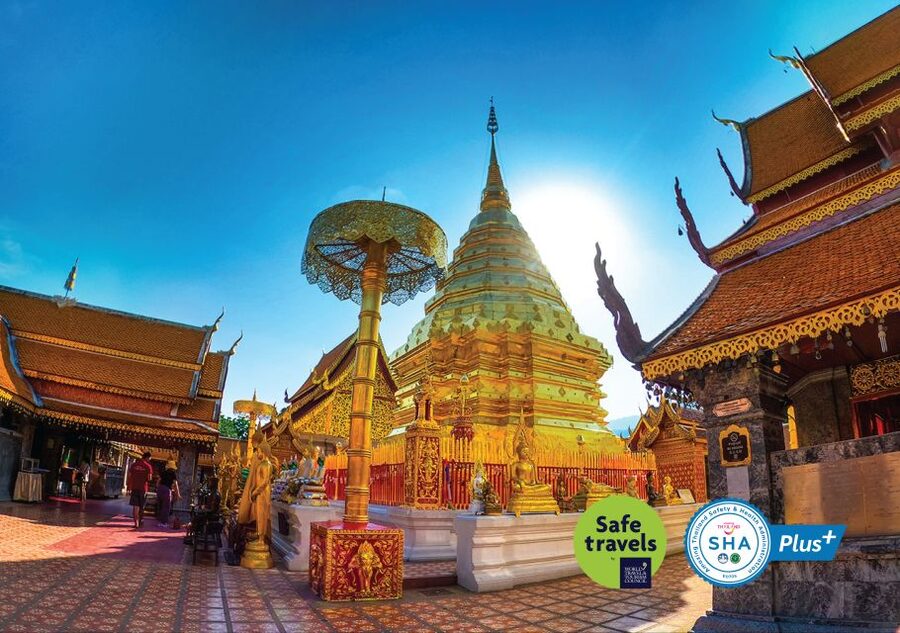
After Doi Pui, the minivan makes the short drive to Wat Phra That Doi Suthep. This is the cultural centerpiece of the outing and one of the most important Buddhist temples in Chiang Mai.
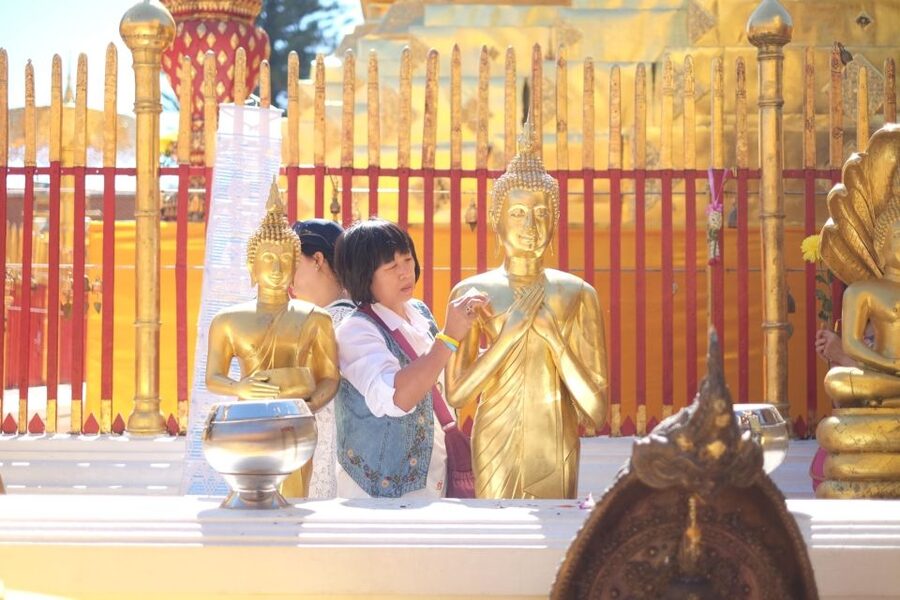
You approach the hilltop by either climbing the famous 309 steps or taking the included cable car. The staircase is part of the experience, with its decorative naga railings and traditional pilgrimage feel. If your knees, heart, or energy are not up to the climb, use the cable car without guilt. You will still reach the temple and have time to see the main complex.
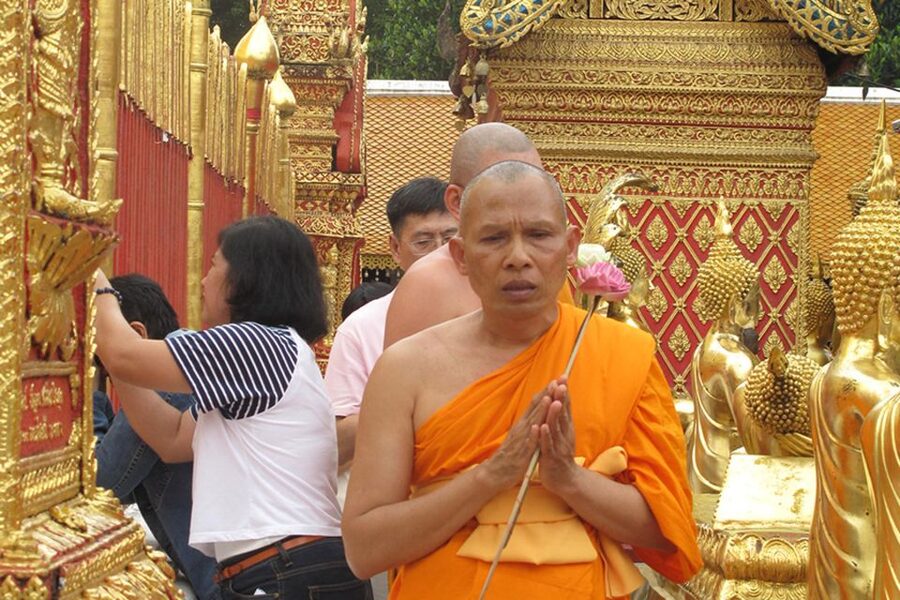
At the top, your guide explains the temple’s Buddhist meaning, the sacred relic associated with the site, and the symbols shown in the artwork and buildings. This is where the guide’s skill matters most. After visiting several Thai temples, you may find that the buildings begin to look similar. A good explanation helps you notice what you are seeing rather than simply photographing gold roofs and statues.
Guides named Pookie, Poonkie, Pae, Tui, Nut, Kai, Lin, Lily, and Paul have all been singled out for clear explanations, good English, kindness, and patience. The guide assigned to your departure may be different, but the operator clearly places a lot of value on interpretation. Some guides also take photographs for you and point out good places to stand.
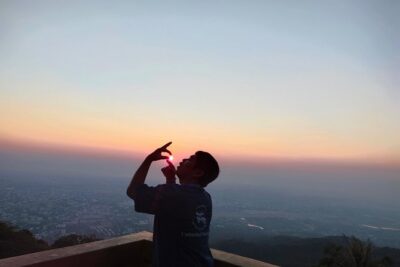
The temple terrace is the reward beyond the architecture. On a clear day, you can look across Chiang Mai and its surroundings from the mountain. The view is wide and memorable, especially if this is your first day in the city.
Do not count on perfect visibility. Fog and rain can block the city, and smoky conditions can reduce the view. That is a weather and air-quality issue, not a flaw in the route. The temple remains worth seeing even when the terrace is gray, but you should set your expectations accordingly.
Restoration work has also appeared at times, with scaffolding affecting parts of the temple. This can change, so do not book the trip only for one perfect photograph.
What the guide adds to the experience
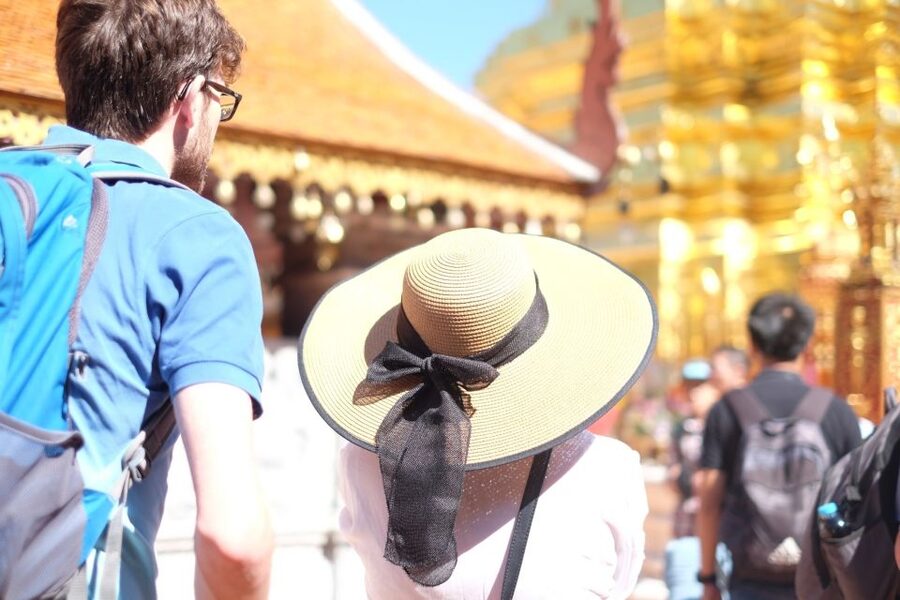
The transportation gets you there, but the guide is the reason to choose this tour rather than simply hiring a car. The best reports consistently focus on guides who explain northern Thailand, Hmong culture, Buddhism, and the temple’s symbols in plain English.
I would use the drive to ask questions. Ask how the Hmong village fits into the region, what the temple relic represents, and how to read the images and statues around the shrine. The guides are described as approachable, and several make a point of answering questions fully rather than giving a memorized speech.
A good guide also manages the small practical details. Lily has been praised for checking that visitors had suitable temple clothing. Other guides offered cold water and refreshing towels in the heat, took photographs, and adjusted the pace when the group needed more time.
The small group limit is nine people, but it may be smaller. On some departures, only two people attended, and the operator still sent the minivan, driver, and guide rather than canceling. You should not assume every booking will become a private tour, but the limited group size gives you a better chance to hear the guide and ask questions.
More hill tribe village visits from Chiang Mai:
- Chiang Mai: Chiang Rai Temples, Karen Tribe and Hot Springs
★ 4.7 · 5,401 reviews - Thai and Akha Cooking Class in Chiang Mai
★ 5.0 · 4,358 reviews - Chiang Mai: Elephant Sanctuary, Long Neck & Sticky Waterfall
★ 4.9 · 2,262 reviews - Chiang Mai: Long Neck Village & Chiang Rai’s Iconic Temples
★ 4.3 · 338 reviews
Transport, timing, and the real pace
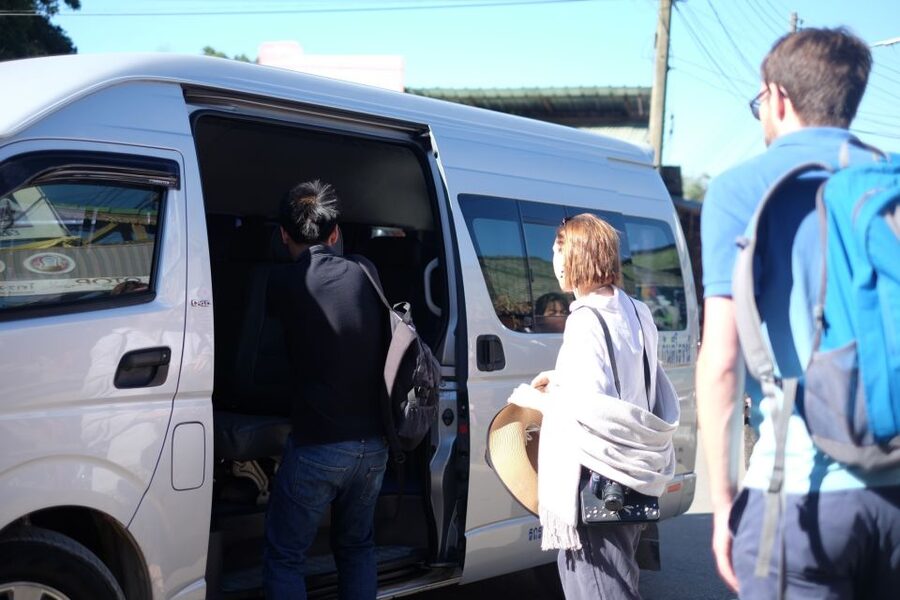
The nine-seat air-conditioned minivan is a good match for this route. The mountain road is not ideal for a large coach, and the smaller vehicle makes hotel pickup and the climb toward the temple simpler.
Hotel pickup is included from the lobby if your accommodation is within 6 kilometers of the Three Kings Monument. If you are staying farther away, confirm the meeting arrangement before booking. Pickup is stated as a time window, not an exact minute, so be ready in the hotel lobby during that period.
The published plan gives roughly one hour at Doi Suthep and one hour at Doi Pui, with about 45 minutes of driving in each direction. In practice, the day may run longer if the group needs extra time. One small group returned almost an hour late after the guide allowed more time for the stops.
That flexibility is helpful if you want a relaxed visit, but it can affect a tight lunch reservation or another scheduled activity. Leave a little breathing room after the tour, especially if you are taking the afternoon departure.
The experience includes water and a cool towel, useful in Chiang Mai’s heat. Personal purchases, food, and other expenses are not included. The village has places to buy snacks and drinks, but do not treat the $36 price as covering shopping or lunch.
Clothing, walking, and who should skip it
Temples require covered shoulders and knees. Long pants and a long-sleeved shirt are the safest choice, even if the rest of your Chiang Mai wardrobe is casual. Wear shoes that are comfortable for stairs, village walking, and removing footwear where required.
The tour is not suitable for wheelchair users or people with mobility impairments, back problems, or heart problems. The cable car reduces the stair climb, but it does not remove all walking or the uneven surfaces found around a mountain village and temple.
If you have limited stamina but can walk independently, tell the guide at the start. You can use the cable car and keep your pace steady. If you need step-free access throughout, this is not the right outing.
The tour is a strong fit for first-time visitors, couples, solo visitors, and anyone with only a few days in Chiang Mai. It also suits you if you want cultural explanation rather than a simple transfer to a viewpoint.
You may want something else if you prefer a slow, unstructured village visit, dislike shopping areas, or have already seen several major temples and want a more unusual activity. One person found the village interesting but not essential, while the temple felt like the stronger stop. That is a fair way to think about the balance.
Best time to choose the morning or afternoon
Choose the morning departure if you want cooler conditions, a better chance of clear views, and a free afternoon. It also gives you room to recover if the mountain road or stairs take more energy than expected.
Choose the afternoon departure if you want a later start or have a morning flight arrival that still allows enough time. The return is around 5:00 p.m., so check your evening plans before booking.
Visibility is never guaranteed. Rainy-season fog can hide Chiang Mai from the terrace, while smoky periods may make the city view hazy. The temple, museum, village, and guide’s explanations remain the core of the trip, so book it for the whole experience rather than the panorama alone.
Free cancellation is available up to 24 hours before departure, and you can reserve now and pay later. The operator may cancel if fewer than two people are attending that day. The voucher is valid only on the specified date.
Should you book this Doi Suthep tour?
I would book it if you want the easiest way to combine Chiang Mai’s signature temple with a glimpse of Hmong village life in half a day. The $36 cost is good value because it covers transport, guide service, admission, cable car access, water, and a towel, while the small group keeps the outing from feeling like a large bus tour.
Book with realistic expectations. Doi Pui includes market stalls and souvenirs alongside local homes, crafts, gardens, and coffee. Doi Suthep may have fog, smoke, or temporary restoration, and the afternoon schedule can run later than planned.
This is best for you if the guide’s explanation matters, you can manage moderate walking, and you want a compact introduction to northern Thai culture. If you have only one day in Chiang Mai, it is an efficient choice. If you already know Doi Suthep and want a quiet day in the hills, spend your time elsewhere.
FAQ
How long does the Doi Suthep and Hmong village tour last?
The scheduled duration is four hours. Morning departures begin around 8:00 to 8:30 a.m. and return around noon. Afternoon departures begin around 1:00 to 1:30 p.m. and return around 5:00 p.m.
Where is hotel pickup available?
Pickup is included from the lobby of hotels in Chiang Mai within 6 kilometers of the Three Kings Monument.
Is the cable car to Doi Suthep included?
Yes. The entry fee for the Doi Suthep Temple and cable car is included. You can also climb the 309 steps if you prefer the traditional approach.
What should I wear?
Wear long pants and a shirt that covers your shoulders. Comfortable shoes are also recommended for the village paths, temple grounds, and optional staircase.
Is this tour suitable for wheelchair users?
No. The activity is not suitable for wheelchair users or people with mobility impairments, back problems, or heart problems.
What is included in the $36 price?
The price includes air-conditioned minivan transport, an English-speaking guide, entry to the Doi Pui museum, entry to Doi Suthep Temple, the cable car, drinking water, a refreshing towel, and travel accident insurance. Personal expenses are not included.
Just added around Chiang Mai
- Chiang Rai Wonders: White, Blue & Red Temples and Hot Spring★ 5.0 · 3 reviews
- Chiang Rai White Temple Blue Temple and Hill Tribe Village Tour★ 3.5 · 3 reviews
- Private Chiang Mai City Tour including Wat Doi Suthep, Wat Suan Dok (SHA Plus)★ 5.0 · 3 reviews
- Workshop Making Herbal ball & herbal inhaler★ 4.3 · 3 reviews
- Chiang Mai Mae Ping River Cruise and Thai Farmer House Visit★ 4.0 · 3 reviews
- Phoenix Zipline Adventure Park – Chiang Mai Thrills★ 4.0 · 3 reviews
- Monk trails hike, Wat Phalat, Monk chanting, Wat Doi Suthep.★ 5.0 · 3 reviews
- Tok Sen Massage at Fah Lanna Spa in Chiang Mai★ 4.5 · 3 reviews
Doi Suthep Temple Tours, compared.
Doi Suthep and Wat Umong Enchanting Evening Tour
Read our review →
Doi Suthep, Wat Umong, and Pha Lat Sunrise Tour
Read our review →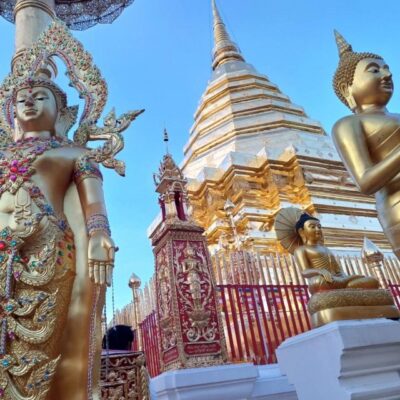
Wat Phra That Doi Suthep spiritual Sunrise Tour with an Ex-monk
Read our review →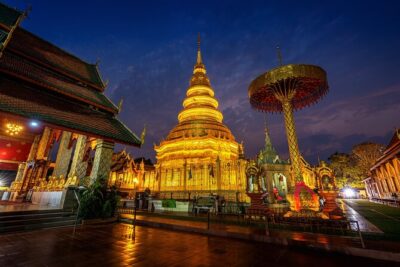

Spiritual Sunrise Wat Doi Suthep, Pha Lat, Alms & Meditation
Read our review →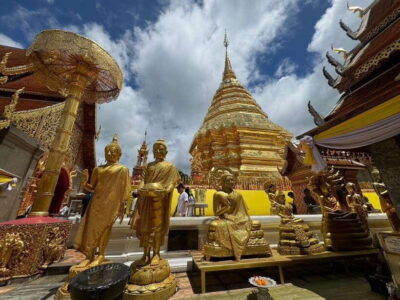
Elephant Sanctuary, Monk Trail & Doi Suthep Tour
Read our review →Browse the lists this tour appears in