
Reviewed · CHIANG DAO CAVES & COUNTRYSIDE
3-Day Chiang Dao Mountain Trek
Chiang Dao is where you go for a real mountain trek, not a gentle walk with a few staged village stops. Over three days, you hike remote jungle trails, cross bamboo forest, follow mountain ridges, and sleep in local homestays in the Maetang River valley.
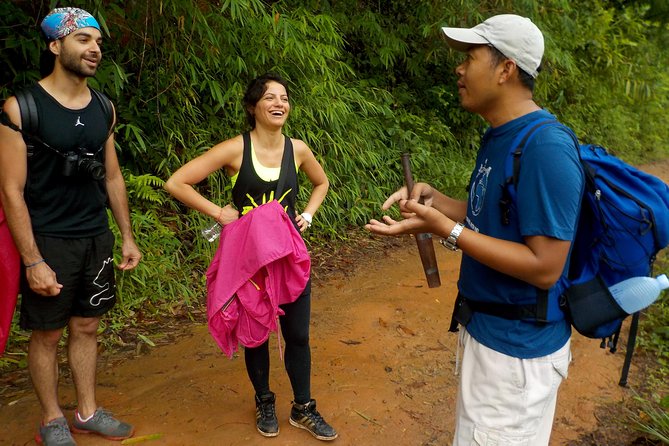
I like the small-group format, which keeps the pace flexible and gives you time to ask guides such as Tan or Sap about plants, wildlife, farming, and village life. I also like the home-cooked meals and homestays, which bring you closer to northern Thailand than a standard hotel-based excursion.
The catch is simple: this is a demanding trek. You should be ready for five to six hours of walking on uneven ground, with steep climbs and descents. Day two can stretch to about nine hours, and village dogs, roosters, and other farm sounds may interrupt your sleep.
In This Review
- Key points to know before booking
- Why Chiang Dao makes a good three-day trek
- Leaving Chiang Mai and reaching the mountains
- Day two: the trek’s real test
- Homestays, cooking, and village life
- What to carry for three days
- Is the $256 price good value?
- Who should book this trek?
- My booking advice
- FAQ
- Where does the trek start?
- What time does the tour begin?
- How long is the trek?
- How many people can join?
- How difficult is the hiking?
- Are meals included?
- Can I request vegetarian meals?
- What should I wear?
- How much luggage can I bring?
- Is the trek suitable for children?
- What are the homestays like?
- What happens if bad weather cancels the tour?
Key points to know before booking
- Remote Chiang Dao terrain: Bamboo forest, jungle paths, ridges, farms, villages, and mountain views replace the usual sightseeing circuit.
- Guides who work with the land: Tan and Sap are praised for explaining plants and local life, and for preparing meals on the trail.
- One very hard middle day: Day two includes repeated climbs and descents, so good basic fitness matters more than simply being young.
- Two simple homestays: The first night may be quiet and scenic, while the second can be noisy because village animals are part of daily life.
- Food is part of the experience: Two breakfasts, three lunches, and two dinners are included, with vegetarian meals available if arranged ahead.
- Pack light: Your personal items must fit in a 45-liter backpack that you carry throughout the trek.
Why Chiang Dao makes a good three-day trek
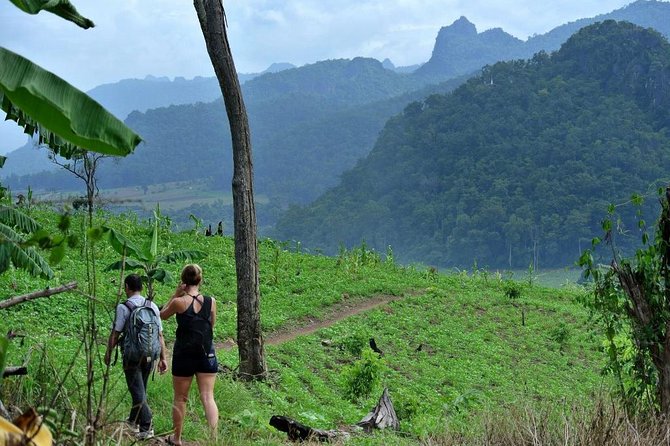
The Chiang Dao mountains offer a different side of northern Thailand. From Chiang Mai, you leave the city behind and head toward a highland area of forest, farms, and hill villages. The point is not to tick off one famous viewpoint. The reward comes from the steady change in scenery and the chance to spend time in places where daily life still follows the seasons, crops, animals, and weather.
This trek is also a useful choice if you want more than an organized nature walk but do not want to plan transport, food, guides, and overnight stops yourself. ActiveThailand handles the round-trip transport from Chiang Mai, provides a local guide, and includes meals and homestay accommodation.
The group is intended to be small. The main description gives a maximum of 10 people, while the additional information lists a maximum of 12, so confirm the final group size when booking. Either way, this is designed to feel much more personal than a large coach excursion.
The guides are a major part of the experience. Tan is described as having more than 30 years of trekking experience, while Sap is praised for his calm manner and strong knowledge of local plants and animals. You may be shown edible plants, invited to taste something growing beside the path, or given an explanation of how nearby communities farm and use the forest.
More Chiang Dao cave and countryside trips:
- No.1 Full-Day Chiang Mai Caving & Jungle Kayaking: Chiang Dao
★ 4.5 · 206 reviews - Chiang Dao Cave & 5 Hill Tribe villages
★ 5.0 · 181 reviews - From Chiang Mai: Chiang Dao Cave Trekking Full-Day Tour
★ 4.8 · 126 reviews
Leaving Chiang Mai and reaching the mountains
Pickup is offered from accommodation in Chiang Mai within the second ring road area. The detailed schedule gives an 8:30 a.m. pickup, while the meeting information lists a 9:00 a.m. start at Le Dta’ Wan Food Market. That small timing difference is worth confirming before departure, especially if you are staying outside the stated pickup area.
The drive north is useful rather than wasted time. You get out of Chiang Mai’s traffic and into the Chiang Dao area, with the mountain scenery gradually replacing the city. A stop at a local market lets your guide introduce ingredients that may later appear in your meals. This is a practical way to begin understanding northern Thai cooking, rather than simply being handed food without context.
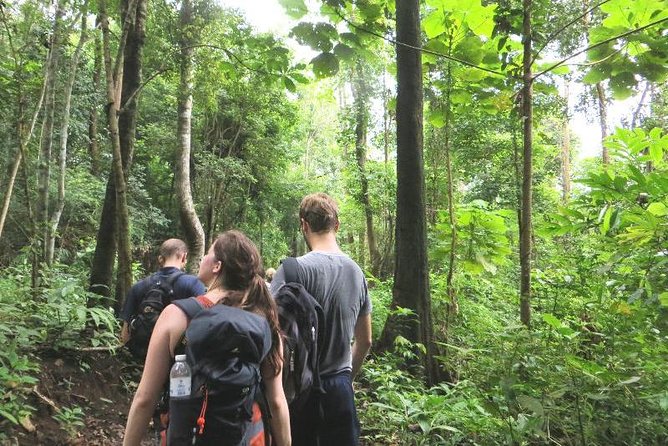
Day one is not the hardest day, but you should not mistake it for a warm-up stroll. The route leads through mountain paths, bamboo forest, jungle, and local farming areas. You may pass through villages connected with the Maetang River valley, and the guide can explain aspects of local life along the way.
One of the strongest parts of the first afternoon is the change in pace. You are walking far from the main tourist route, with time to notice plants, insects, forest sounds, and the shape of the hills. Several people found the first overnight stop especially peaceful, with mountain views and a memorable setting for sunset or sunrise.
Your guide also helps prepare dinner. That detail matters. A meal cooked by the same person who led you through the forest makes the evening feel like part of the trek, not a separate restaurant stop. Two dinners, two breakfasts, and three lunches are included during the trip. Drinks at the homestays and restaurants are not included, so carry some spending money.
Day two: the trek’s real test
Day two is the reason I would not recommend this trip to anyone looking only for a casual outdoor outing. You wake in the mountains and have breakfast with locally grown tea or coffee from the surrounding plantations. Then the walking becomes more serious.
The route follows ridges and criss-crossing jungle paths, with repeated climbs and descents. The exact hours vary with the route and conditions, but the trip information says you should be able to hike five to six hours on undulating ground. One detailed account describes day two as lasting around nine hours, so you should prepare for a long day rather than relying on the shortest estimate.
Steep downhill sections can be as tiring as the uphill parts. If your knees are sensitive, trekking poles would be useful, though the supplied information does not confirm that they are provided. Proper hiking boots or trail runners are required, and outdoor clothing is a must.
The payoff is the sense of remoteness. You are not simply walking between marked attractions. Some paths may be overgrown, and guides have occasionally had to clear vegetation with a knife. That can make the route feel adventurous, but it also means conditions are less polished than on a maintained park trail.
This is when the guide’s judgment matters most. Tan is known for adjusting his pace to mixed groups, including people in their twenties and early sixties. Sap has also been praised for taking care of slower walkers and explaining the natural world without rushing. Still, a good guide cannot remove the hills. You need to arrive ready to work.
The day offers more than scenery. Your guide may point out useful plants, talk about animals, and explain how people in nearby communities relate to the forest. That makes the long walking feel purposeful. You are learning how the place functions, not just passing through it with a camera.
Homestays, cooking, and village life
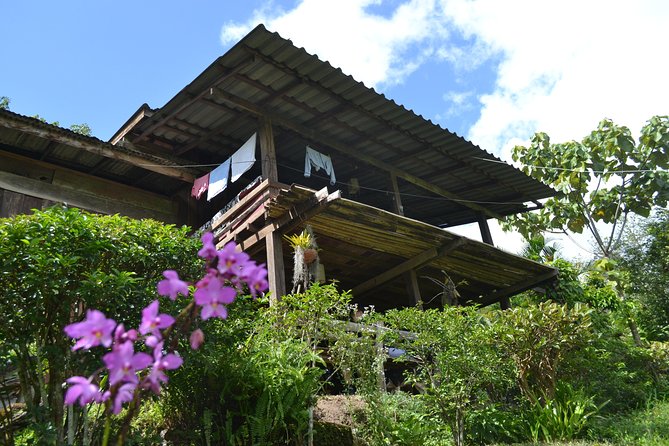
The accommodation is basic, local, and central to the character of the trip. You stay in homestays rather than purpose-built trekking lodges. Some accommodation has mountain views, solar-powered electricity, and excellent sunrise or sunset positions, but you should not expect hotel comforts.
The first homestay is often remembered as the more peaceful night. The second is in a hill-tribe village, where dogs, roosters, pigs, singing, and general village activity may make sleep difficult. Bring earplugs. This is not a defect that can easily be fixed, since the noise comes from ordinary village life.
I see that as a fair trade, provided you know what you are booking. A quiet resort would give you better sleep, but it would also remove much of the local character. These homestays let you see a working community rather than a display arranged for visitors.
Meals are another high point. Guides such as Tan and Sap may cook the food themselves, using local ingredients and simple equipment. The cooking has been praised repeatedly, especially the Thai meals served after hard walking. This is valuable on a physical trip, since a good dinner and breakfast can make the next day easier.
Vegetarian meals are possible, but you must request them when you reserve. Drinks are not included, and personal spending is your responsibility. Bring enough cash for beverages and small purchases, but keep your overall pack light.
More treks around Chiang Mai:
- 3-in-1: Doi Inthanon Tour, Elephant Sanctuary, and Trekking Trail
★ 5.0 · 1,087 reviews - Chiang Mai: Doi Inthanon Trip with Pha Dok Siew Guided Trek
★ 4.6 · 910 reviews - Chiang Mai: Doi Inthanon Park with Kew Mae Pan Hike Day Trip
★ 4.7 · 841 reviews - Chiang Mai: Doi Inthanon Park and Pha Dok Siew Trail Trek
★ 4.6 · 752 reviews
What to carry for three days
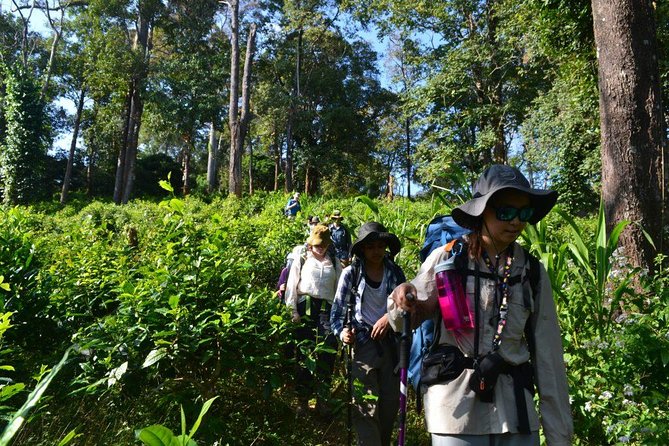
The 45-liter pack limit is practical. You carry your personal belongings through the trek, so every extra item becomes noticeable on a steep climb. Pack only what you need and follow the seasonal kit list supplied after booking.
At a minimum, plan around suitable outdoor clothing, hiking boots or sturdy runners, and personal essentials. An extra layer may be useful because mountain temperatures can differ from Chiang Mai, though the exact weather varies by season. Earplugs are one of the smartest additions because the second homestay may be lively at night.
You should also be comfortable carrying your own pack for hours. The tour is not suitable for children under 10 unless they are already used to multiple hours of hiking. The stated expectation is moderate physical fitness, but I would interpret that as more than being able to walk around town all day.
If you have dietary needs, communicate them in advance. Vegetarian food needs planning, and the guide is also responsible for cooking, so last-minute requests may be difficult.
Is the $256 price good value?
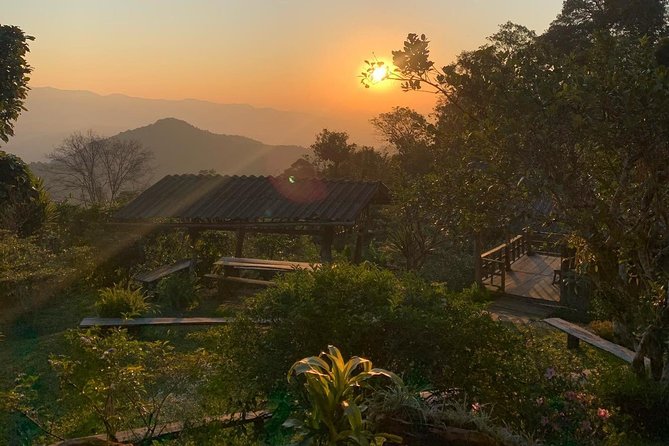
At $256 for three days, the price includes more than the walking itself. You receive transport from Chiang Mai and back, a local guide, two nights of homestay accommodation, two breakfasts, three lunches, and two dinners. That removes several costs and planning tasks that would be difficult to arrange independently.
The value is strongest if you want a remote trek without organizing village stays, cooking, route finding, and transport yourself. You are paying for access and local support as much as for the miles walked. A guide who can identify plants, explain village life, manage the route, and cook your meals adds real value here.
It is less appealing if you want polished accommodation, short walking days, or a tightly predictable schedule. Day two can be long, the paths can be rough, and drinks are extra. You also carry your own belongings, which makes the trip feel more like a genuine trek than a soft adventure package.
The high satisfaction rate and 4.9 rating from 36 ratings suggest a consistently strong experience, especially around the guides, food, scenery, and sense of authenticity. I would place the greatest weight on the physical demands and accommodation style, since those are the areas most likely to decide whether you enjoy the trip.
Who should book this trek?
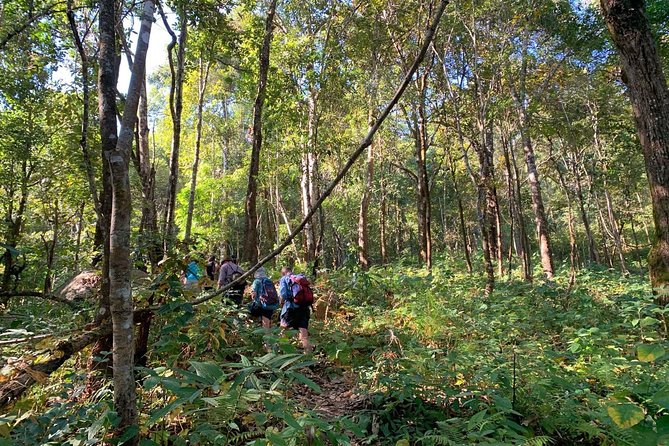
You should consider it if you enjoy long walks, simple accommodation, local food, and time away from busy sightseeing routes. It suits people who want to understand northern Thailand through forests, farms, and villages rather than through a quick day tour.
It is also a good match for mixed-age groups if everyone has a reasonable fitness base. Tan’s ability to manage different walking speeds is encouraging, but the terrain still requires effort from each person.
I would hesitate to recommend it if you dislike insects, animal sounds, basic homestays, or steep downhill walking. It is not the right pick for someone wanting a relaxed family holiday or a hotel-level night’s sleep.
The tour requires good weather. If poor weather cancels it, you can receive a full refund or choose another date. You can also cancel for a full refund at least three full days before the local start time. Book early enough to confirm availability, since confirmation is subject to space and a minimum group size.
My booking advice
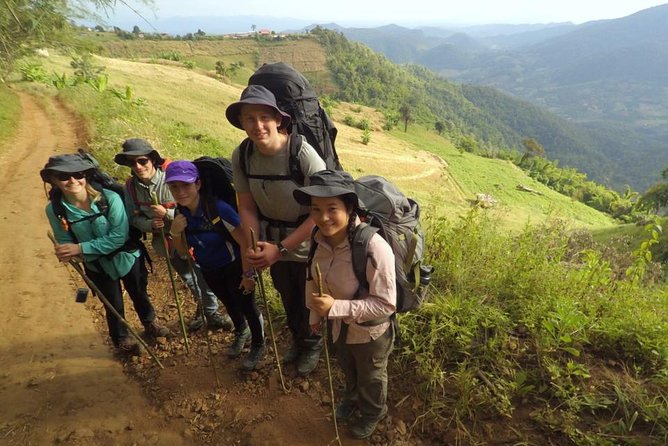
I would book the 3-Day Chiang Dao Mountain Trek if your priority is a serious, local, small-group experience near Chiang Mai. The best reasons are the remote trails, the guides, the food, and the chance to sleep in villages rather than return to the city each evening.
Before paying, ask for the exact pickup time, final group size, seasonal kit list, and current route. Then pack light, bring earplugs, and train for long climbs and descents. If you do that, this can be one of the most memorable ways to see northern Thailand.
FAQ
Where does the trek start?
Pickup is offered from accommodation in Chiang Mai within the second ring road area. The listed meeting point is Le Dta’ Wan Food Market in Chiang Mai.
What time does the tour begin?
The meeting information lists a 9:00 a.m. start. The detailed first-day schedule gives an 8:30 a.m. pickup from accommodation, so confirm the exact time when booking.
How long is the trek?
The experience lasts approximately three days and includes two nights of homestay accommodation.
How many people can join?
The main tour description gives a maximum of 10 people. The additional information lists a maximum of 12 travelers, so confirm the final group size before departure.
How difficult is the hiking?
You should have moderate physical fitness and be able to hike for five to six hours on undulating ground. Day two can be especially demanding, with repeated climbs and descents and, in some cases, a much longer walking day.
Are meals included?
Yes. The tour includes two breakfasts, three lunches, and two dinners. Beverages at homestays and restaurants are not included.
Can I request vegetarian meals?
Yes, but vegetarian meals must be arranged in advance. Tell the provider when you make the reservation.
What should I wear?
Wear suitable outdoor clothing and hiking boots or sturdy runners. The provider supplies a seasonal kit list.
How much luggage can I bring?
Your personal effects should fit into a 45-liter backpack, which you carry during the trek. The advice is to travel light.
Is the trek suitable for children?
It is not suitable for children under 10 unless they are accustomed to hiking for several hours.
What are the homestays like?
The accommodation is basic local homestay lodging. The first night may be quiet and scenic, while the village setting on the second night can include noise from dogs, roosters, pigs, and other daily activity.
What happens if bad weather cancels the tour?
If poor weather causes cancellation, you can choose a different date or receive a full refund. A different date, experience, or full refund is also offered if the minimum number of participants is not reached.
More 3-Day Experiences in Chiang Mai
- From Chiang Mai : 3 Day 2 Night Slow Boat to Luang Prabang
★ 3.4 · 26 reviews - 3 day Yoga and Meditation Retreat in Chiang Mai
★ 5.0 · 19 reviews - Chiangrai Round Trip Classic Tours 3 Days 2 Nights
★ 5.0 · 13 reviews - 3 Day Motorcycle Tour (Mae Hong Son Loop) from Chiang Mai, Thailand
★ 5.0 · 13 reviews
Just added around Chiang Mai
- Chiang Rai Wonders: White, Blue & Red Temples and Hot Spring★ 5.0 · 3 reviews
- Chiang Rai White Temple Blue Temple and Hill Tribe Village Tour★ 3.5 · 3 reviews
- Private Chiang Mai City Tour including Wat Doi Suthep, Wat Suan Dok (SHA Plus)★ 5.0 · 3 reviews
- Workshop Making Herbal ball & herbal inhaler★ 4.3 · 3 reviews
- Chiang Mai Mae Ping River Cruise and Thai Farmer House Visit★ 4.0 · 3 reviews
- Phoenix Zipline Adventure Park – Chiang Mai Thrills★ 4.0 · 3 reviews
- Private: 3 days 2 night trip: ChaingMai-Chaingrai- The Golden Triangle trip★ 5.0 · 3 reviews
- Monk trails hike, Wat Phalat, Monk chanting, Wat Doi Suthep.★ 5.0 · 3 reviews
Chiang Dao Caves & Countryside, compared.
No.1 Full-Day Chiang Mai Caving & Jungle Kayaking: Chiang Dao
Read our review →
Chiang Mai Day Tour: Chiang Dao Cave and Hill Tribes
Read our review →
Chiang Dao Cave Trekking Small Group Tour – Full Day
Read our review →
Private tour Chiang Dao cave ,Temples,Sticky waterfall
Read our review →Browse the lists this tour appears in