
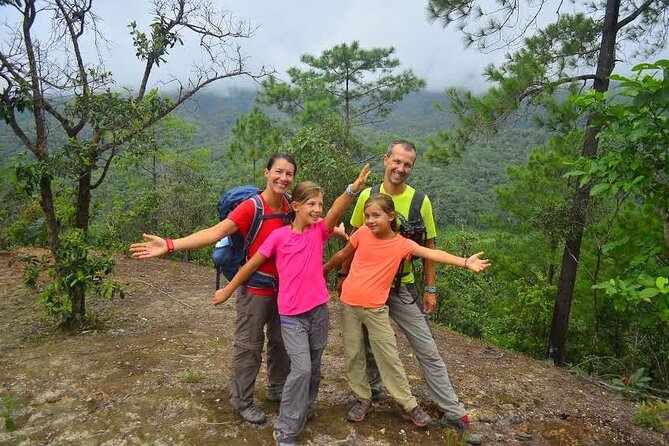
Reviewed · HIKING & TREKKING
2 Days Hiking Tour in Chiang Mai
The best part of this Chiang Mai outing is the overnight stay in a Karen hill-tribe village, where a simple bamboo house replaces the usual hotel room. You walk through jungle, rice paddies, and banana gardens, then wake to soft-boiled rice and fruit before heading back through the forest.
I like the chance to learn about local plants and village life from guides Dali and Fern, who come from the mountain area. I also like the two waterfall stops, especially the unnamed jungle pool and the beach where you can swim. The main drawback is comfort: this is a moderate hike with basic sleeping arrangements, not a polished nature resort.
In This Review
- Key points to know before booking
- What this two-day Chiang Mai hike is really about
- The first waterfall and lunch in the jungle
- Banana gardens and views across the hills
- Arriving at the Karen village by midafternoon
- Sleeping in a bamboo house
- A local breakfast before the second walk
- A second village with no electricity
- The jungle waterfall and its swimming beach
- How hard is the hiking?
- Is $130.21 a fair price?
- Practical planning for the two days
- Who should book this experience?
- Should you book the two-day Chiang Mai hike?
- FAQ
- How long is the tour?
- Where does the tour take place?
- Is hotel pickup available?
- How much does the tour cost?
- How far in advance is the tour usually booked?
- What kind of accommodation is provided?
- What food is provided?
- Can you swim during the tour?
- How fit do I need to be?
- What is the cancellation policy?
Key points to know before booking
- Two days on foot: Expect several hours of jungle walking, including a 4 to 5 hour stretch on the second day.
- Overnight in a bamboo house: Your bed is simple and local, with no promise of hotel-style comforts.
- Guides Dali and Fern: They can explain village life and identify plants, mushrooms, and herbs gathered for dinner.
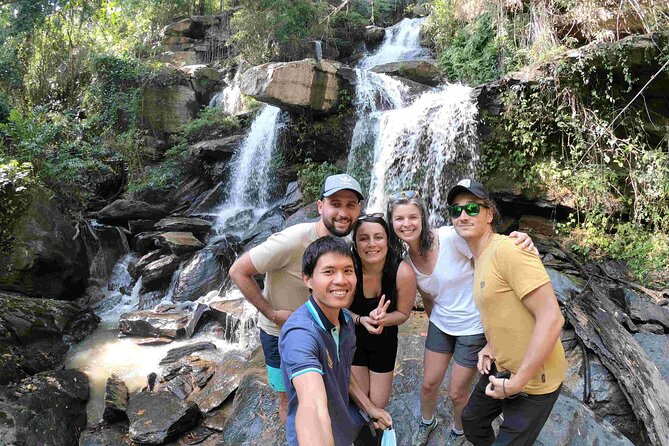
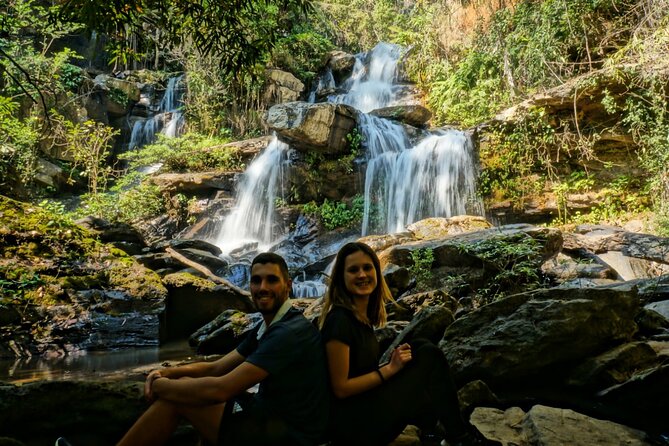
- Unnamed waterfalls: The pools are reached by trail rather than marked roads, making the walk part of the attraction.
- A genuine local meal: Breakfast includes soft-boiled rice and fruit, a useful introduction to everyday northern Thai food.
- Good value at $130.21: The price is most appealing if you value transport, guiding, an overnight stay, and access to remote trails more than luxury.
What this two-day Chiang Mai hike is really about
This is a small adventure in the hills outside Chiang Mai, though the maximum group size can reach 50 people. Pickup begins at your hotel, followed by a drive of about 40 minutes to a local market.
You get 20 minutes at the market to buy anything needed for the hike. This is worth taking seriously. Bring or buy personal snacks and any preferred drinks here, since the route moves away from ordinary shops and roads.
After the market, the vehicle continues for about 45 minutes before the walking begins. The schedule is not built around a single famous viewpoint or a major park entrance. Instead, it links forest paths, village areas, waterfalls, and working countryside.
That makes the experience appealing if you want to see how the hills around Chiang Mai connect to local communities. It is less suitable if you want a short, gentle walk with plenty of free time.
More treks around Chiang Mai:
- 3-in-1: Doi Inthanon Tour, Elephant Sanctuary, and Trekking Trail
★ 5.0 · 1,087 reviews - Chiang Mai: Doi Inthanon Trip with Pha Dok Siew Guided Trek
★ 4.6 · 910 reviews - Chiang Mai: Doi Inthanon Park with Kew Mae Pan Hike Day Trip
★ 4.7 · 841 reviews
The first waterfall and lunch in the jungle
The first proper walking stop is an unnamed waterfall in the forest, described as Mae Saphok Waterfall in the schedule. You reach it on foot, and the water provides a natural place to cool off.
Lunch is planned at the waterfall, and you can refresh yourself there. Since the supplied details do not specify the exact lunch menu or whether every food item is included in the advertised price, I would confirm that point before booking if meals matter to you.
The lack of a marked name is part of the appeal. This is not a famous attraction with signs, souvenir stands, or a paved approach. You see it because you follow the trail into the jungle.
Expect natural conditions. Paths may feel uneven, and you should be comfortable walking near wet ground. A swimsuit, towel, water-resistant bag, and shoes with dependable grip would be sensible choices, though the tour details do not provide a required packing list.
Banana gardens and views across the hills
After the waterfall, the route passes through a banana garden. You may be able to eat bananas from the trees if they are ready, with permission from local people.
This is a small detail, but it tells you what kind of outing this is. The route is not only about scenery. It passes through places where food grows and where village life is tied to the surrounding land.
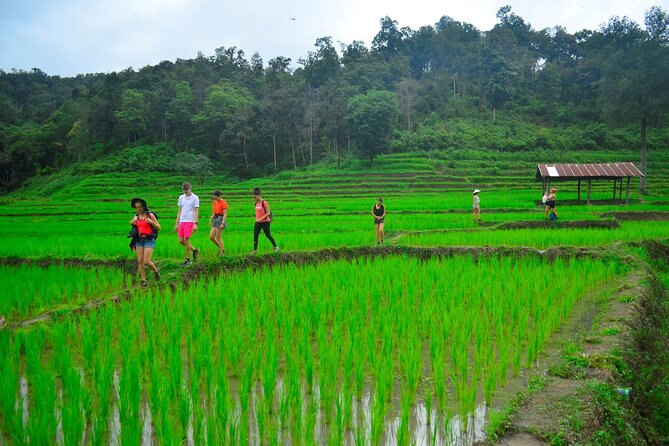
The schedule allows about 30 minutes for this section, including views across the hills. Do not expect a formal viewing platform or a long photography stop. The reward is the changing outlook as you walk, with green hills, rice paddies, and forest opening around you.
I would keep your camera accessible, but not let it dominate the walk. The most interesting moments may be brief, especially when the trail moves from cultivated areas back into trees.
Arriving at the Karen village by midafternoon
You should reach the Karen village around 2:30 to 3:30 pm. Your guide explains aspects of Karen life, and you have about an hour to look around the village.
This is the point where the trip becomes more than a hike. You have time to see the setting at a human pace rather than simply passing through it on a vehicle. The guide’s role matters here. Dali and Fern are from the mountain area, and their local connection can help explain what you are seeing without turning the visit into a staged performance.
Approach the village with respect. Ask before photographing people or homes, and listen when the guide explains local customs. You are entering someone’s community, not an open-air museum.
The provided details do not promise a particular demonstration, craft activity, or formal cultural show. That is useful to know. The value comes from walking around, hearing explanations, and observing a simpler daily setting.
A few more Chiang Mai half-days to weigh up
- Private Tour: 2-Day Authentic Hill Tribe Villages and Karen Hill Tribe Homestay
★ 5.0 · 40 reviews - Chiang Mai 4 in 1 : 2 days – 1 Nights. Elephants Camp + Adventure
★ 5.0 · 28 reviews - 2-Day Best of Chiang Rai from Chiang Mai Private Package
★ 4.5 · 16 reviews - Muay Thai Experience – 1/2 Day
★ 5.0 · 10 reviews
Sleeping in a bamboo house
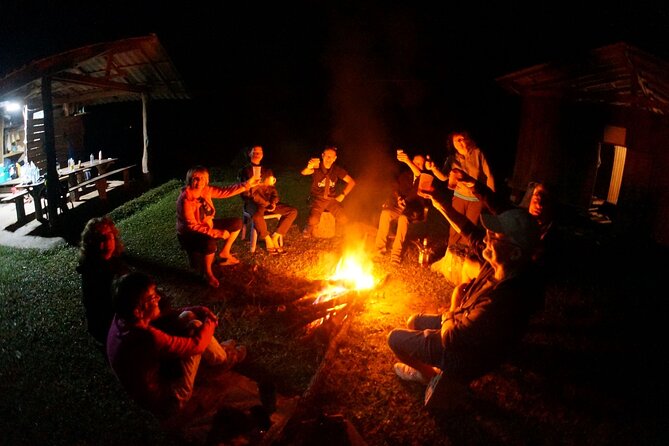
The overnight accommodation is a bamboo house with a simple bed. The description is clear that everything is local and basic.
You should choose this tour because that sounds interesting, not because you expect a soft mattress, private bathroom, air conditioning, or a full set of hotel services. None of those comforts are promised.
For me, this is one of the strongest parts of the experience. A village overnight stay changes the pace of a trip. After a day on the trail, you are not rushing back to Chiang Mai or checking into an anonymous room. You stay where the route leads.
It also requires flexibility. If you need a high level of comfort at night, this may be the wrong choice. If you enjoy simple accommodation and want a closer look at rural life, the bamboo house gives the tour its character.
The evening also connects with the guides’ knowledge of mountain plants. Dali and Fern can point out plants along the route, and the group may forage for mushrooms and herbs used for dinner. One review also describes trying raw foliage, an unusual detail that may appeal to adventurous eaters.
Because the meal details are not fully set out, ask about dietary needs before you pay. The tour’s food experience appears local and simple rather than designed around special diets or restaurant-style choice.
A local breakfast before the second walk
Breakfast includes soft-boiled rice and fruit. This may be a change from the toast, eggs, and coffee many visitors expect, but it is exactly the sort of local meal that gives an overnight village stay meaning.
You are told to expect about two hours for breakfast and the morning departure. That leaves time to eat at a relaxed pace and hear more about local life before walking again.
If you have a sensitive stomach or strict food requirements, raise the issue with the operator in advance. The available details identify the breakfast, but do not list alternatives.
A second village with no electricity

After breakfast, you walk for about an hour to another Karen village. This settlement has no electricity, and the guide explains how people live with fewer modern services.
The scheduled village visit itself is about 20 minutes, so think of it as a short stop within a longer walk. The contrast between your normal routine and village life is likely to be clearest here. You can ask questions, but you should avoid treating the community as a curiosity.
This section will suit people who want cultural context alongside scenery. If your main goal is nonstop hiking, the stop may feel slow. I think that pause is valuable, since it gives meaning to the roads and paths you have been following.
The jungle waterfall and its swimming beach
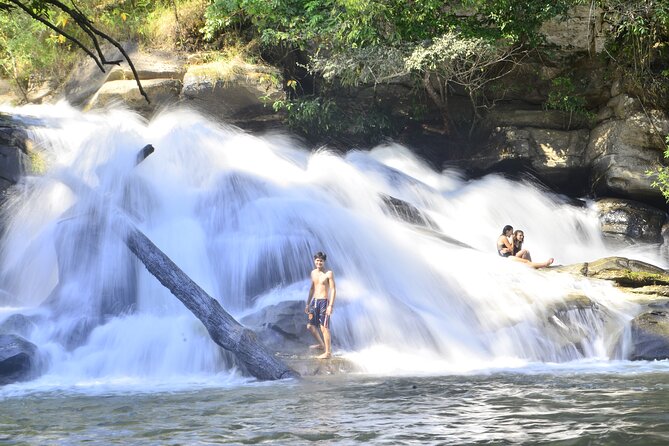
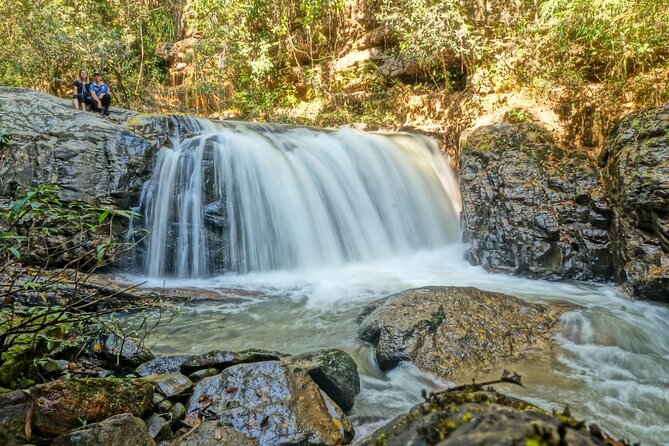
The second day continues through the jungle toward another waterfall and a beach-like area beside the water. You can swim or simply cool off before the final walk to the vehicle.
The route is described as taking 4 to 5 hours within the jungle, followed by about 30 minutes of walking to the car park. That is the key fitness detail in the entire trip. The tour calls for moderate physical fitness, and you should take that seriously.
The word beach does not mean a developed seaside beach. It refers to a sandy or open area by the jungle water, where you can refresh yourself. There are no stated facilities, lifeguards, or changing rooms, so plan to manage with the natural setting.
Swimming is optional. You can enjoy the stop without getting in the water, but wet conditions and stream crossings may still be part of the walk. Pack light, keep valuables protected, and bring clothing that can handle mud or spray.
Once you reach the car park, the vehicle takes you back to Chiang Mai. The return drive length is not specified, so the overall second day may feel long by the time you get back to your hotel.
How hard is the hiking?
The tour asks for a moderate fitness level. That is a better guide than the word hiking alone, since the route includes a full day of walking, uneven jungle paths, a longer second-day section, and a final 30-minute walk to the car park.
You do not need to be an expert mountaineer based on the information provided. Still, you should be comfortable walking for several hours and handling changing ground conditions.
I would not choose this for a very young child, anyone who struggles with extended walking, or anyone seeking a light sightseeing day. The provider does not give detailed information about accessibility, trail surfaces, elevation gain, or medical support, so ask direct questions if any of those affect your decision.
Is $130.21 a fair price?
At $130.21 per person, the tour is priced above a simple day hike, but it includes two days of guiding, local transport from Chiang Mai, an overnight village stay, access to remote forest routes, and meals or food experiences described in the schedule.
The value depends on what you want. If you compare it with a standard hotel-and-restaurant trip, the bamboo house may feel like a compromise. If you price a private transfer, a full day of guiding, a second day in the hills, and a rural overnight stay separately, the package becomes easier to justify.
The maximum group size is 50, which is larger than many people imagine when they hear hill hike. The actual group may be smaller, but the published limit means you should not assume a private or intimate outing. A large group can affect the quiet feel of the forest and the time available for questions.
The highest praise is directed toward the guides, especially Dali and Fern. Their mountain background, cheerful manner, and ability to explain useful plants add value that cannot be measured by transport or admission fees.
Practical planning for the two days
Pickup is offered, and you receive confirmation at booking. The tour also uses a mobile ticket, so keep your booking available on your phone.
Use the market stop wisely. You have about 20 minutes, and it is the clearest opportunity to buy personal supplies before the route moves into the hills.
I would pack:
- Comfortable hiking clothes
- Shoes with good grip
- Swimwear and a small towel
- A refillable water bottle
- Sun protection
- Insect protection
- A rain cover or waterproof bag
- Personal snacks and medication
These suggestions are practical rather than a stated equipment list. The supplied tour information does not confirm that special gear, towels, or personal supplies are provided.
The free cancellation window is 24 hours before the local start time. Changes or cancellations made inside that period are not refunded, and the operator may offer a new date or full refund if the minimum number of people is not reached.
Who should book this experience?
I would recommend it to you if you want rural northern Thai scenery, a real village overnight, local food, and a guide-led walk rather than a string of city attractions.
It is especially suited to people who enjoy simple accommodation, swimming in natural water, plant knowledge, and cultural encounters that are not built around a formal show. The ability to learn from Dali and Fern is a major reason to choose this particular outing.
I would hesitate if you need polished lodging, a short walking day, a guaranteed small group, or clearly defined meal choices. The tour leaves some practical points open, including detailed accommodation facilities, exact meals, trail difficulty, and the return journey length. Ask before booking if those details are important to you.
Should you book the two-day Chiang Mai hike?
Book it if your ideal Chiang Mai side trip includes forest paths, village life, and a night in a bamboo house. The unnamed waterfalls, banana garden, rice paddies, and jungle swimming area give the route variety, while Dali and Fern add local insight.
Skip it if you want comfort or predictable hiking conditions. This is a basic, active trip with a long second day and a group limit of up to 50 people. At $130.21, it offers good value for an adventurous visitor who wants more than a scenic drive, but its appeal depends on being willing to trade convenience for a closer look at life in the hills.
FAQ
How long is the tour?
The experience lasts approximately two days and includes one night in a Karen village.
Where does the tour take place?
The tour starts in Chiang Mai and continues into jungle and hill areas with Karen villages, waterfalls, banana gardens, rice paddies, and mountain views.
Is hotel pickup available?
Yes. Pickup is offered from your hotel.
How much does the tour cost?
The listed price is $130.21 per person.
How far in advance is the tour usually booked?
It is booked an average of 10 days in advance.
What kind of accommodation is provided?
You stay overnight in a simple bamboo house with a basic bed.
What food is provided?
The second morning includes soft-boiled rice and fruit for breakfast. The first day includes lunch at the waterfall, but the available details do not specify the full menu.
Can you swim during the tour?
Yes. You can swim or refresh yourself at the jungle waterfall and beach area on the second day.
How fit do I need to be?
You should have a moderate level of physical fitness. The second day includes about 4 to 5 hours of jungle walking, followed by roughly 30 minutes to the car park.
What is the cancellation policy?
You can cancel at least 24 hours before the local start time for a full refund. Cancellations or changes made less than 24 hours in advance are not refunded.
Just added around Chiang Mai
- Chiang Rai Wonders: White, Blue & Red Temples and Hot Spring★ 5.0 · 3 reviews
- Chiang Rai White Temple Blue Temple and Hill Tribe Village Tour★ 3.5 · 3 reviews
- Private Chiang Mai City Tour including Wat Doi Suthep, Wat Suan Dok (SHA Plus)★ 5.0 · 3 reviews
- Workshop Making Herbal ball & herbal inhaler★ 4.3 · 3 reviews
- Chiang Mai Mae Ping River Cruise and Thai Farmer House Visit★ 4.0 · 3 reviews
- Phoenix Zipline Adventure Park – Chiang Mai Thrills★ 4.0 · 3 reviews
- Monk trails hike, Wat Phalat, Monk chanting, Wat Doi Suthep.★ 5.0 · 3 reviews
- Tok Sen Massage at Fah Lanna Spa in Chiang Mai★ 4.5 · 3 reviews
Hiking & Trekking, compared.

3-in-1: Doi Inthanon Tour, Elephant Sanctuary, and Trekking Trail
Read our review →
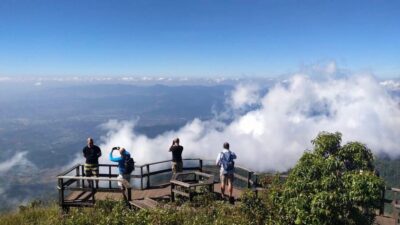
Doi Inthanon Park with Kew Mae Pan Hike Day Trip
Read our review →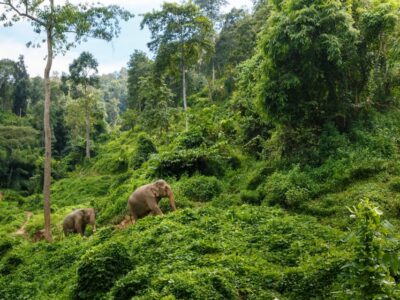

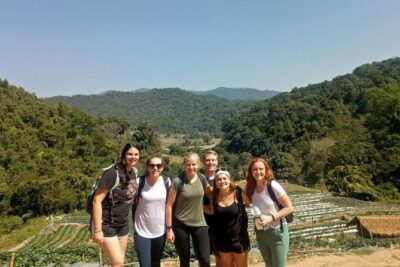
Doi Inthanon Private Tour with Trek & Lunch from Chiang Mai
Read our review →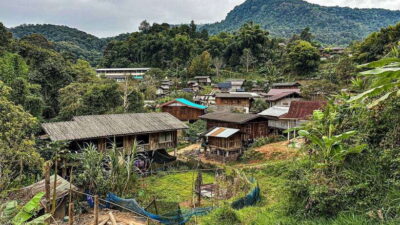
Doi Inthanon National Park and Pha Dok Siew Trek
Read our review →Browse the lists this tour appears in